
Last updated November 15, 2026
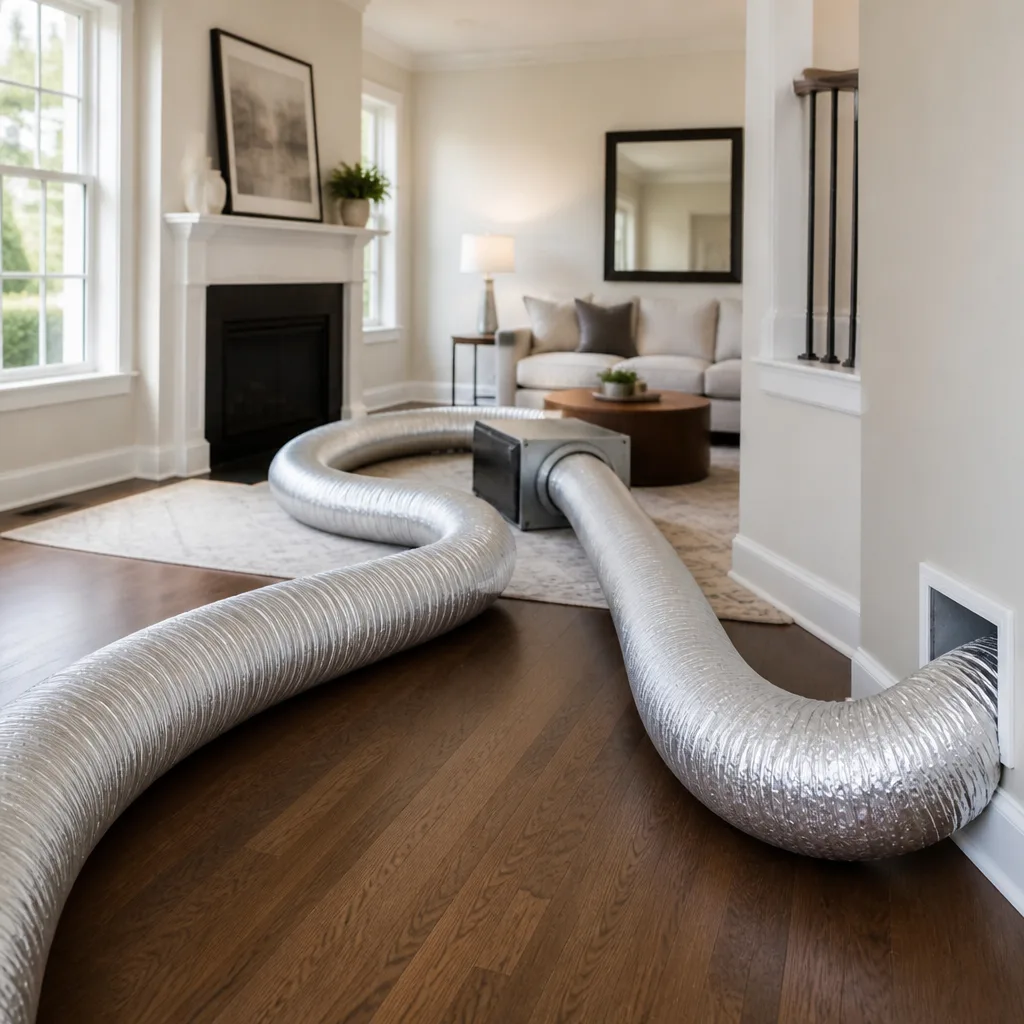 Whole-home duct cleaning
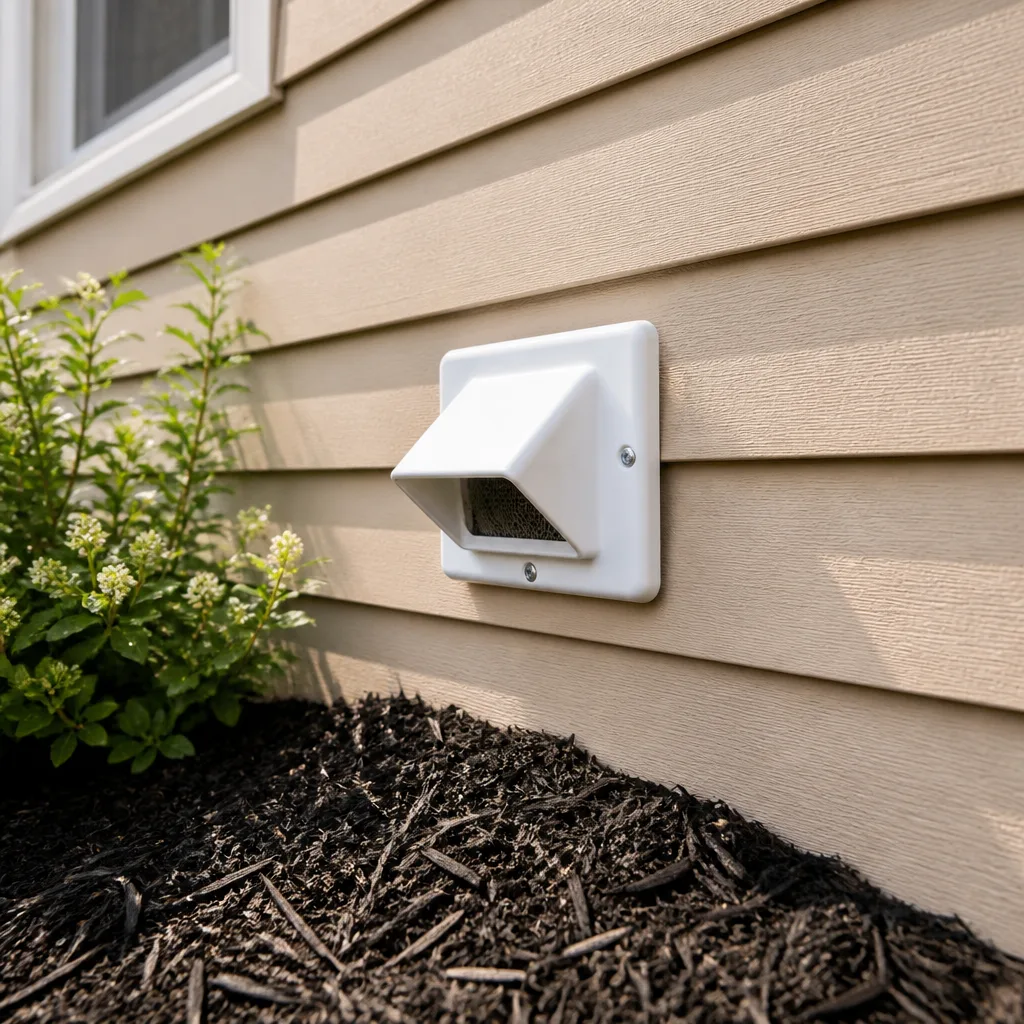 Dryer vent cleaning
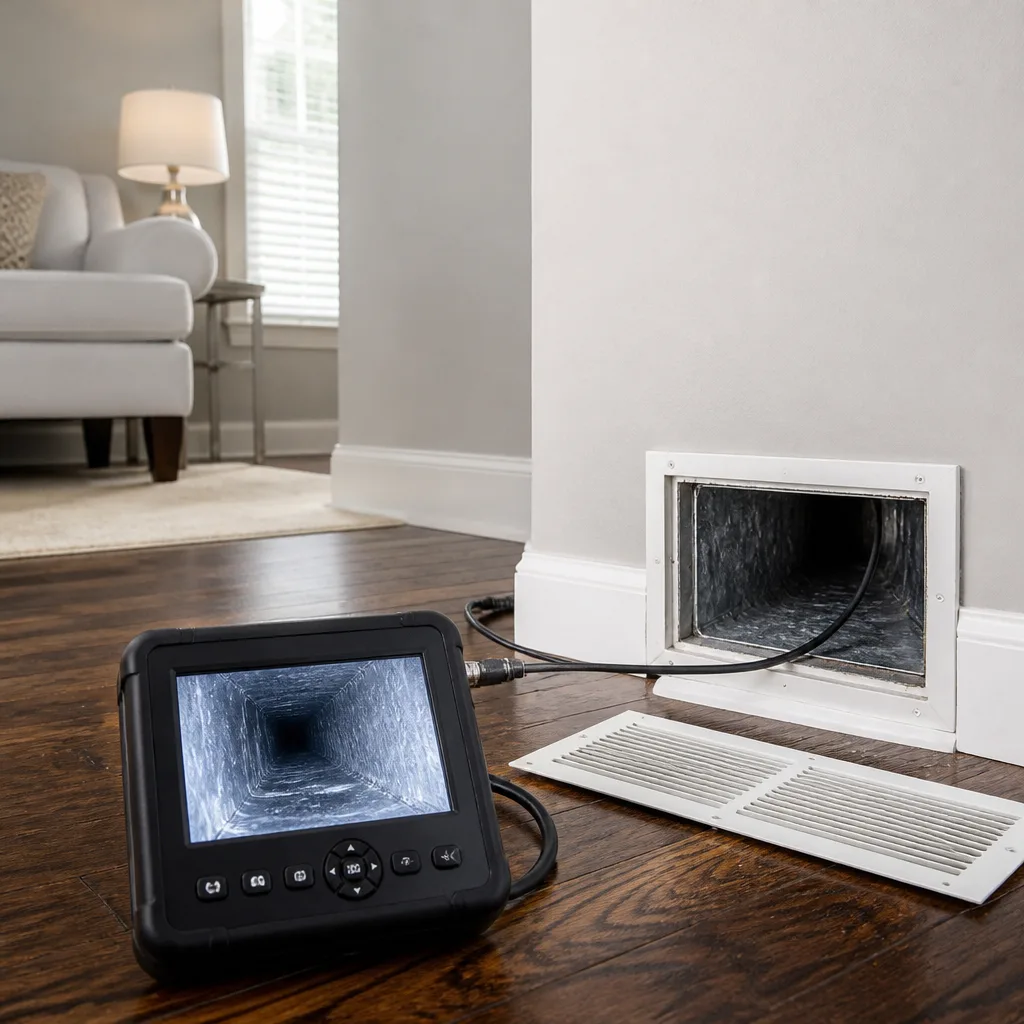 Camera inspection
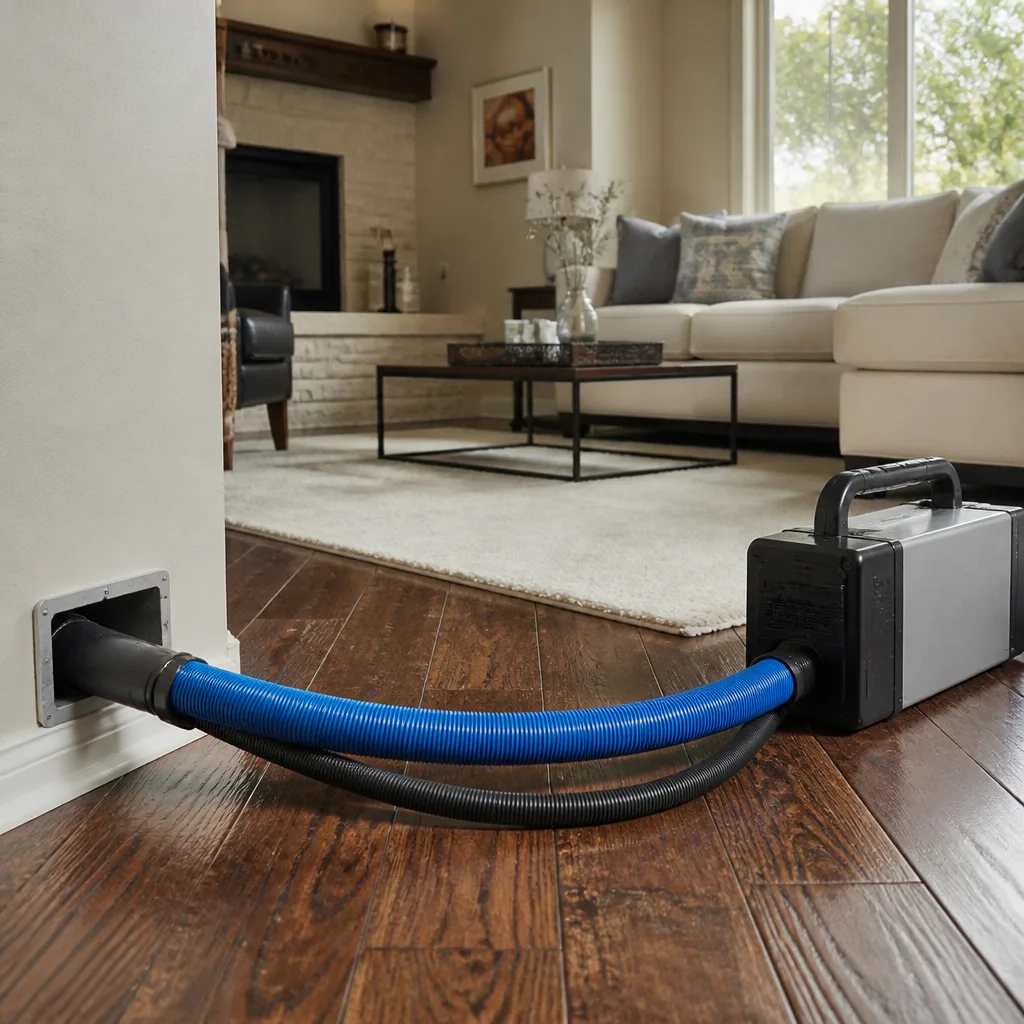 Sanitizing & deodorizing
Whole-system duct and dryer vent check with before-and-after photos - you see exactly what came out of your vents
That "$99 whole-house special" is a bait ad - the real number appears once they are in your hallway, or the "clean" is a shop-vac at the register. We photograph the inside of your ducts before and after instead.
Air Duct Cleaning Emergency Preparedness Guide for Lakewood Homes
Most homeowners treat duct cleaning as routine maintenance, something to schedule when the vents look dusty or the filter changes start slipping. That’s a mistake in Lakewood, where the real risk isn’t slow accumulation but sudden contamination. Wildfire smoke rolling off the foothills, monsoon flooding in a basement, or a windstorm that strips topsoil from open ground can push debris and smoke into a duct system in a single afternoon. When that happens, a system that’s been running normally for years becomes a reservoir of contamination, and the difference between a quick recovery and a long, expensive problem comes down to what you do in the first few hours. This guide covers the shutdown protocol, what differs after smoke versus water damage, how to document everything for insurance, and how to prepare before fire season or monsoon season arrives. Everything here is written for Lakewood homes.
Quick Answer
When a wildfire smoke event, flash flood, or major dust storm hits Lakewood, turn off your HVAC system and seal intake vents before contamination enters the ductwork, then schedule a professional inspection rather than running the system to “clear it out.” Smoke particles and water intrusion both get worse, not better, when the system keeps moving air. After a confirmed event, the recovery sequence is shutdown, inspection, cleaning with HEPA-based source removal, and documentation if you plan to file an insurance claim.
Styles & brands we work with
- Whole-home duct cleaning
- Dryer vent cleaning
- Camera inspection
- Sanitizing & deodorizing
Table of Contents
- Immediate Shutdown Protocol: What to Do in the First Hour
- Recovering Your Duct System After Wildfire Smoke
- Post-Flooding: The Sequence for Ducts After Water Intrusion
- High-Wind Dust Storms and the Contamination They Leave Behind
- Documenting Duct Damage for an Insurance Claim
- Pre-Season Preparation Checklist for Lakewood Homes
- When Post-Event Duct Work Needs a Professional
Immediate Shutdown Protocol: What to Do in the First Hour
The single most important thing you can do during a contamination event is stop the system from pulling outdoor air inside. Most heating and cooling systems are designed to cycle air continuously, and that design works against you when the outdoor air is thick with smoke or dust. The correct response is to shut the system down completely and physically block the paths contamination travels through. It’s counterintuitive because instinct says to keep the fan running to filter the air. In practice, a standard residential filter captures only a fraction of fine smoke particles, and everything it misses gets pushed deeper into the ductwork and deposited on the interior walls where it settles into the dust already there.
Here’s the sequence we recommend for Lakewood homeowners when a smoke event or dust storm is confirmed:
- Turn the thermostat to OFF. Not fan-only, not auto. Off entirely. This stops the blower from drawing contaminated air through the return.
- Close all windows and exterior doors. Seal the gaps under doors with a rolled towel if the event is severe.
- Seal return-air grilles with plastic sheeting and painter’s tape. Returns are where the system breathes in. Blocking them is the highest-impact move you can make.
- Shut the fresh-air intake if your system has one. On Honeywell and Aprilaire ventilation controls, this is usually a damper switch or a setting on the controller panel. If you’re unsure which it is, close the outdoor louver by hand.
- Set up a portable HEPA air cleaner in the room where you’re spending time. This addresses the air you’re breathing now without recirculating it through a contaminated system.
- Do not run kitchen or bath exhaust fans during a smoke event. These pull air out of the house, which draws outdoor air in through every gap the house has.
For flooding, the protocol shifts. Water entering a basement or crawlspace doesn’t just contaminate ductwork, it creates the conditions for mold growth inside insulated flex duct and around the coil. Turn the system off at the breaker, not just the thermostat, because a flooded air handler is an electrical hazard. Don’t run the fan to dry things out.
Recovering Your Duct System After Wildfire Smoke
Standard duct cleaning is not enough after a heavy smoke event. This is the point most homeowners miss and the reason post-smoke duct work sometimes seems not to help. Smoke is not just particulate matter. It carries oily combustion byproducts that cling to the interior walls of the ductwork, the blower wheel, and the evaporator coil. A routine vacuum pass removes loose dust but leaves that residue behind, and the residue keeps releasing odor every time the system runs. What resolves it is source removal with HEPA-filtration equipment, mechanical agitation of the duct walls, and coil cleaning as a separate step.
This is where the equipment matters, and it’s why we run Rotobrush rotary-brush systems and Nikro HEPA-filtration vacuums rather than shop vacuums. The rotary brush physically dislodges smoke residue that’s bonded to the duct wall. The HEPA vacuum captures the dislodged particles at the source instead of blowing them into the room. For severe smoke events, our technicians also use Abatement Technologies air-quality equipment, which is the same class of equipment used in mold and contaminant remediation work rather than routine residential cleaning. The difference shows up in what gets removed and what stays behind.
Smoke contamination follows a predictable pattern in a house, and knowing it tells you where to focus:
- Return ducts carry the highest load because they pull air from every room in the house, including the ones closest to exterior doors and windows that leaked smoke.
- The blower wheel and air handler cabinet collect fine particulate that passes the filter. If the wheel is coated, airflow drops and the system works harder than it should.
- The evaporator coil is where a lot of smoke residue concentrates because the coil is wet during cooling season. A dirty coil is where a lot of residual odor originates.
- Supply registers and boots can harbor smoke odor even after the trunk lines are clean, so they’re a standard part of the post-smoke service.
If your system is built on a Honeywell or Aprilaire platform, the ventilation controls and any inline filtration components also need to be checked and cleaned. These components sit in the path of contaminated air and are frequently overlooked in a basic cleaning. We can service those systems as part of a post-event recovery without a separate contractor.
Post-Flooding: The Sequence for Ducts After Water Intrusion
Flooding, whether from a monsoon storm, a burst supply line, or a backed-up floor drain, creates a time-sensitive situation inside your duct system. Mold can begin establishing inside a wet duct within 48 to 72 hours of sustained moisture, and some materials, including the fibrous liner inside flex duct and the insulation in duct board, cannot be cleaned effectively once mold has colonized them. The sequence matters as much as the speed, and doing it out of order makes things worse.
Here’s the correct order of operations when water reaches an air handler, duct run, or crawlspace that contains ducts:
- Cut power at the breaker. A wet air handler is an electrical hazard. Don’t run the fan to dry the system out.
- Document everything with photos before you start any drying or cleanup. Photograph the water line, the equipment, the ducting, and any visible damage. Once things start drying, that evidence is harder to establish.
- Remove standing water and start structural drying. A dehumidifier and fans in the affected rooms help. Air movement through a wet duct is different from air movement in the room, so keep the system off.
- Inspect the ductwork. Look for sagging, water staining, collapsed flex runs, or visible growth on the liner. Any duct material that was submerged or saturated typically needs replacement rather than cleaning.
- Clean what’s salvageable using HEPA-filtration equipment, then treat and verify. Ducts that stayed above the water line but sat in a high-humidity crawlspace still need inspection for moisture and growth.
- Repair or replace compromised sections. This is where the ability to repair ductwork on the same visit matters. If a section of flex duct has to come out, we can often replace it while we’re there rather than requiring a second trip.
The mold window is the reason the urgency is real. A homeowner who waits a week after a basement flood to schedule an inspection has a reasonable chance of finding growth on the inside of the duct liner. Someone who calls within 48 hours has a good chance of cleaning rather than replacing. Lakewood’s monsoon pattern, with short intense storms that can push water into walkout basements and crawlspaces, makes this a recurring issue for homes along the west side of town.
High-Wind Dust Storms and the Contamination They Leave Behind
Dust storms are the third major contamination event that affects Lakewood duct systems, and they’re the most underappreciated. High winds lifting dry soil from open ground push fine particulate against the house. The same fine particulate that gets past the furnace filter is the size that settles in the ductwork and stays there. It’s not the coarse dust you can see on a coffee table; it’s the sediment that accumulates in the trunk lines and coats the coil over a handful of events.
A single major dust storm doesn’t typically require full duct cleaning afterward, but it does require attention to the filter and the system’s immediate operation. The response looks like this:
- Change the filter within 24 hours of a major dust event. A filter loaded with fine particulate restricts airflow and can collapse inward.
- Check the return grilles for visible accumulation. If you can see dust loading on the grille face, the duct behind it has some too.
- Re-seat any flex duct connections that may have shifted. High wind events in a crawlspace can disturb loosely supported runs.
- Watch for odor or a change in system performance in the weeks after. A coil that’s been coated with fine sediment from repeated events starts undercooling or short-cycling.
Homes near open ground and along the corridors where wind channels through Lakewood tend to accumulate dust faster than homes in sheltered areas. If you notice fine dust reappearing on surfaces within days of cleaning them, or if the filter is loading faster than usual, the system is a good candidate for a full cleaning rather than a filter change alone. That’s a good time to look into air duct cleaning before the next event adds to the load.
Documenting Duct Damage for an Insurance Claim
Insurance carriers reimburse duct damage claims when the documentation establishes the cause, the extent, and the cost with specific evidence that the damage happened during the covered event. Vague descriptions and a verbal report from a cleaning company rarely resolve a claim. What resolves it is a photographic record taken before any cleanup, a written scope from a qualified contractor, and a clear separation between pre-existing conditions and new damage from the event.
Here’s the documentation package that insurance adjusters commonly expect after a duct-contaminating event:
- Photographs of the event itself. Water lines on the basement wall, hailstones or storm debris, visible smoke plume near the house, or exterior damage all support causation.
- Photographs before any cleaning or restoration. Cover the air handler, the coil, visible duct runs, the registers, and anything showing contamination, moisture, or growth on duct material.
- A written inspection report. This is where professional equipment helps. A report from a technician who used HEPA-based source removal equipment, documented visible findings with photographs taken from inside the ductwork, and identified specific duct sections for repair or replacement carries more weight than a general statement that cleaning was needed.
- A line-item scope of work. Replacement sections, cleaning areas, coil cleaning if needed, and the labor to do it should be separated. Claims that lump everything into one number are harder to settle.
- Before-and-after images of the duct interior showing what was found and what was removed. This is standard practice for us because it also tells you, the homeowner, what was actually addressed.
When we perform a post-event cleaning, we photograph the before condition and provide a written report of what we found. If the scope calls for duct repair, we can quote it as part of the same visit rather than referring out, which often saves an insurance timeline several weeks.
Pre-Season Preparation Checklist for Lakewood Homes
Preparation matters more than reaction because a system that’s already clean, sealed, and well-filtered holds up far better to the smoke events and flash floods that hit the Front Range every year. Wildfire season in Colorado generally runs from late spring into fall, and the monsoon pattern typically arrives mid-summer. Getting ahead of both means doing a handful of specific things before the season starts, not after the first smoke alert.
Here’s the checklist we recommend for Lakewood homes every spring and again before monsoon season:
- Inspect and replace the filter. Use the highest MERV rating your system’s manufacturer specifies. Higher is not always better, because excessive restriction can damage the blower.
- Confirm the outdoor air intake operates correctly. If your system has a fresh-air intake with a Honeywell or Aprilaire damper, test that it opens and closes on command. A damper stuck open is a direct path for smoke.
- Know where your breaker is for the air handler and condensing unit. In a flood situation, you need to cut power without searching.
- Check that all return-air grilles are intact and sealed. Loose grilles leak unfiltered air into the return trunk.
- Clear the condensate drain and pan. A blocked drain during a high-humidity storm can push water into the wrong place.
- Inspect accessible duct runs in the attic and crawlspace. Look for disconnected flex, crushed sections, or areas where insulation has come loose. Fixing these before an event closes the easy paths for contaminant entry.
- Schedule dryer vent cleaning if it hasn’t been done recently. Lint-packed dryer vents are a leading cause of residential fires, and a home already dealing with smoke or flood recovery shouldn’t have a second risk stacked on top.
- Note the location of your insurance policy and the number to file a claim. Having it ready shortens the response time on documentation.
If you’re buying a home in Lakewood or have recently bought one, the same checklist applies but with more emphasis on inspection. An HVAC system that’s just been installed or a home that’s changed hands is a good time to establish a baseline for what your ductwork looks like and how well it’s sealed.
When Post-Event Duct Work Needs a Professional
Some post-event responses are things a homeowner can do alone: shutting the system off, closing windows, changing the filter, sealing returns with plastic sheeting. The work of inspecting and cleaning the interior of the duct system is a different category. Professional equipment exists for a reason, and a shop vacuum or consumer-grade cleaner can’t reach the interior of a duct trunk or capture fine smoke particulate at the source without redistributing it into the room.
Schedule a professional inspection after any of the following:
- A confirmed wildfire smoke event that lasted more than a day and occurred while your system was running.
- Any water intrusion that reached the air handler, ductwork, or the crawlspace where ducts are located, regardless of how quickly you dried the room.
- A major dust storm that pushed a visible wall of dust against the house, particularly if the filter loaded heavily or you noticed odor from the vents afterward.
- Persistent odor from the registers after any of the events above have passed.
- Visible growth on duct material, insulation, or the coil.
- Post-event performance changes, including reduced airflow, unusual cycling, or rooms that don’t heat or cool properly.
If any of these apply, call us rather than waiting to see whether things settle. We inspect with the same equipment we clean with, so what we find is what we can address. If ducts need repair, we can quote and often complete it as part of the same service visit. If the system has no damage, we’ll tell you that and suggest the next monitoring step.
Common Mistakes to Avoid
- Running the fan to “filter out” smoke. A residential filter captures only coarse particulate, and running the fan during a smoke event pushes fine particles deeper into the ducts and onto the coil.
- Turning the thermostat to fan-only instead of OFF. Fan-on mode keeps pulling air through the return, which is exactly what you’re trying to stop during a contamination event.
- Waiting a week to call after basement flooding. The mold window inside wet duct material is roughly 48 to 72 hours. Homes along Lakewood’s west side that see walkout-basement water intrusion during monsoon storms are especially vulnerable to this timing.
- Skipping documentation because you plan to handle it without insurance. If you discover damage mid-cleanup that turns out to be more extensive, you’ll need the photos you didn’t take. Document before you touch anything.
- Replacing an expensive filter with a cheap one to “save money” after a dust storm. A collapsed cheap filter sends lint and dust downstream into the blower and coil. Use the correct MERV rating and change it as often as the event warrants.
- Using a shop vacuum on duct interiors. Consumer vacuums don’t have HEPA filtration, and they aerosolize fine particulate instead of capturing it. What comes out of the shop vac exhaust is going into your room.
- Overlooking the dryer vent during smoke or flood recovery. Lint accumulation in a dryer vent is a fire risk independent of any weather event. A home dealing with smoke damage or water damage shouldn’t also have a vent that hasn’t been cleaned.
See the difference
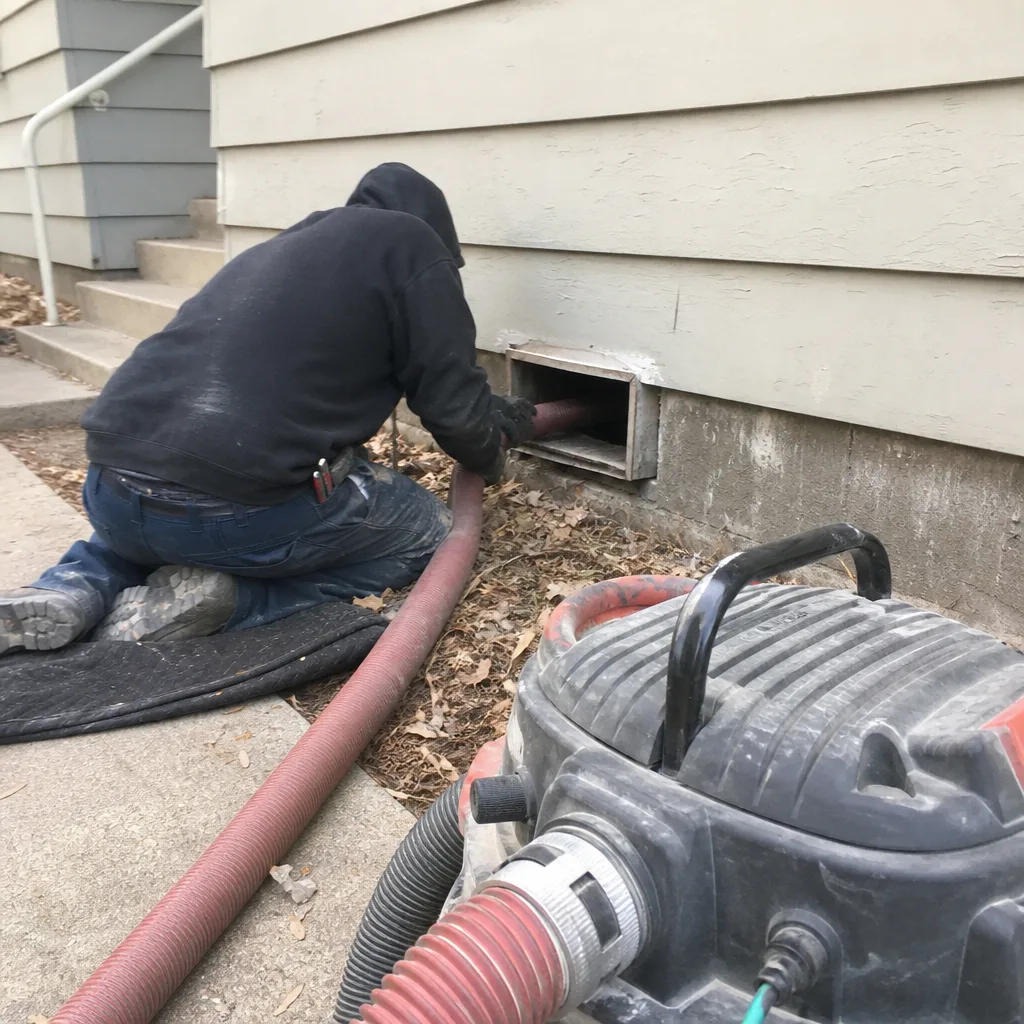 Before
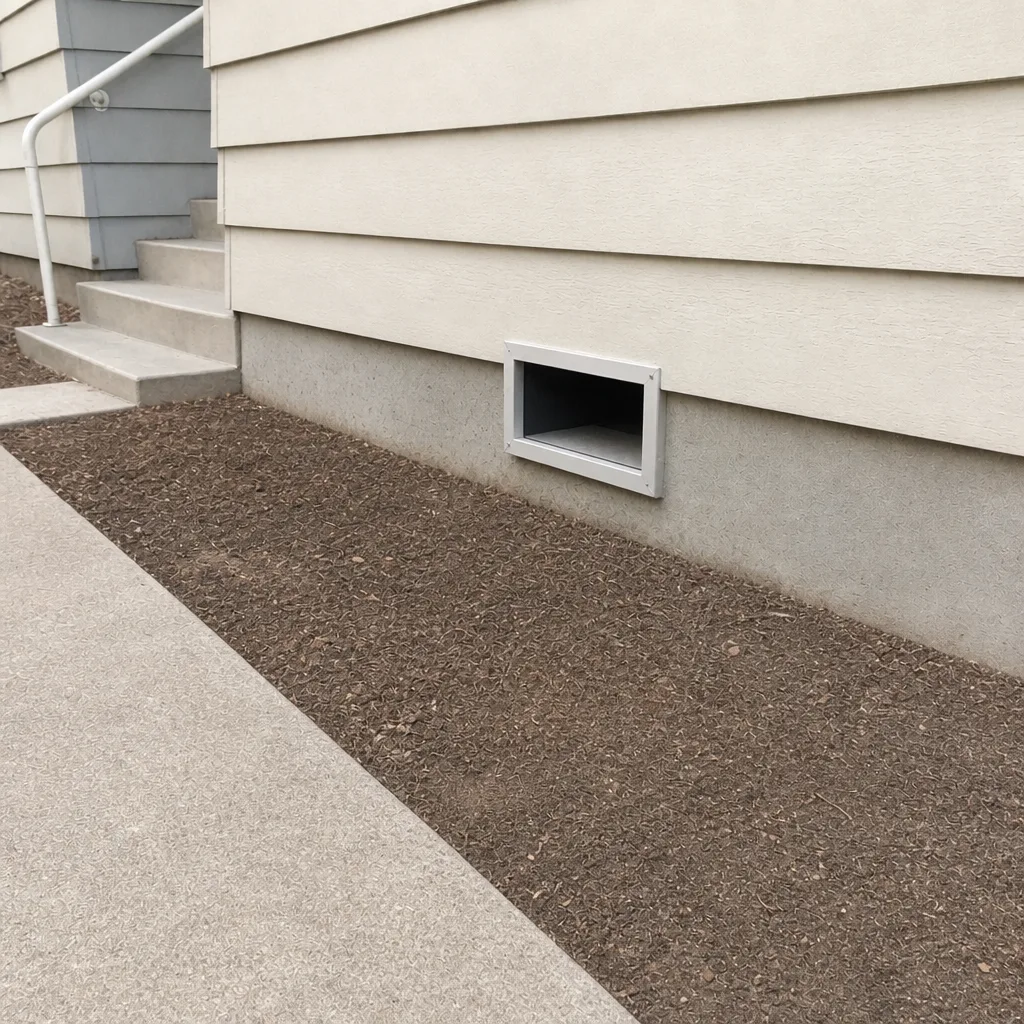 After
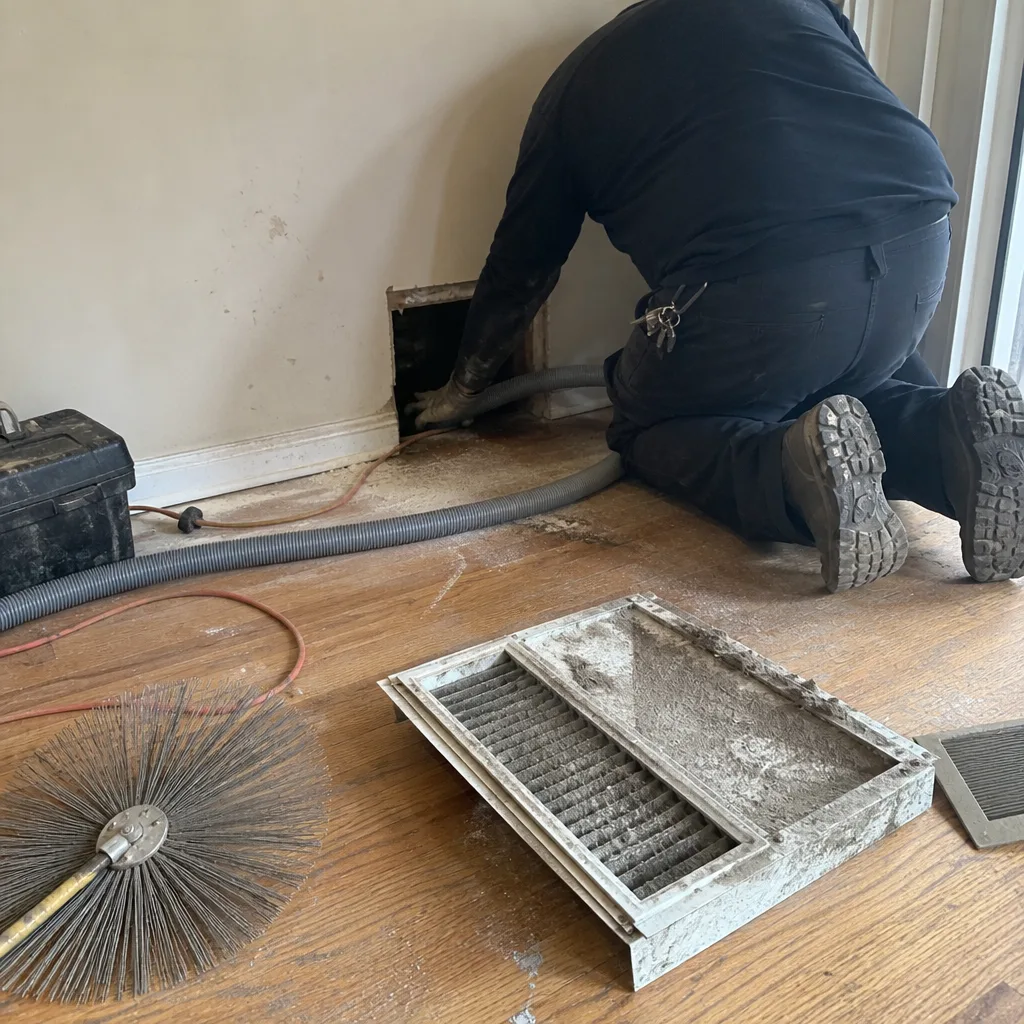 Before
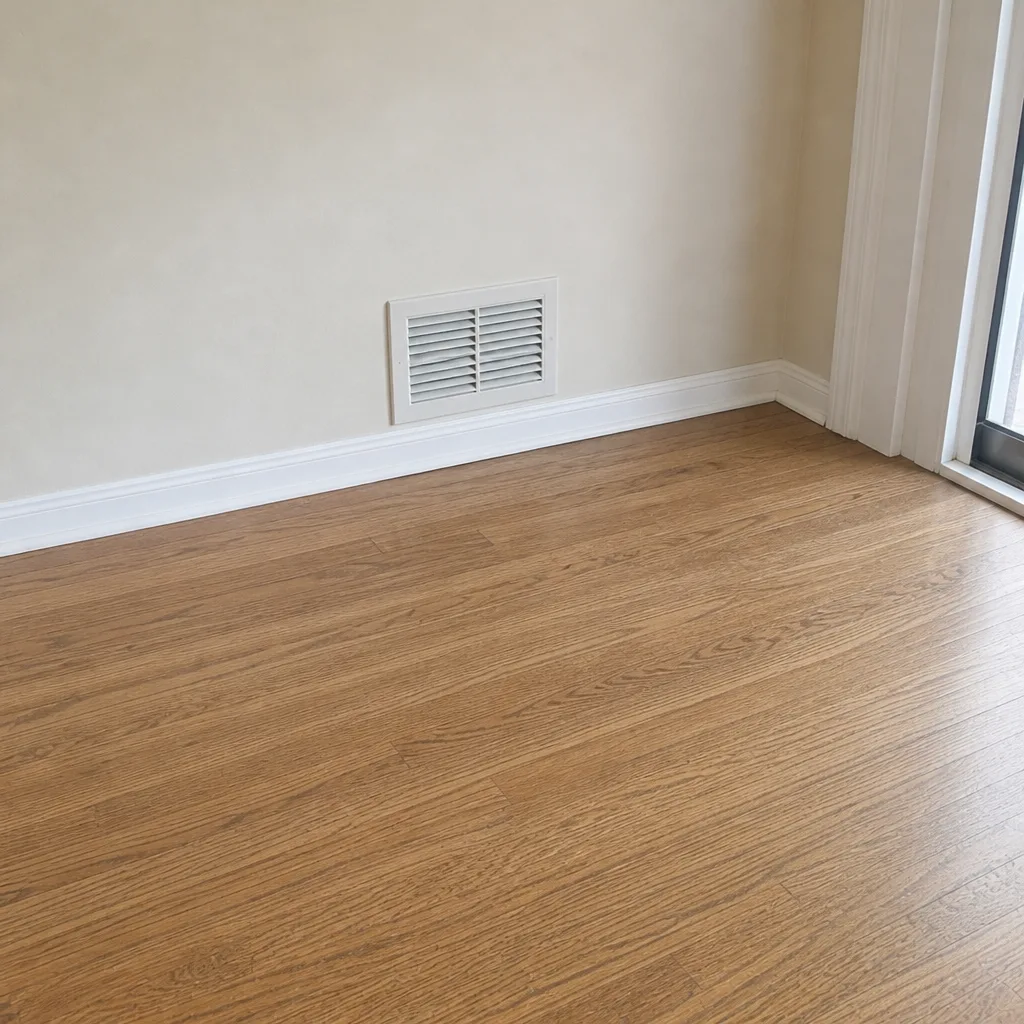 After
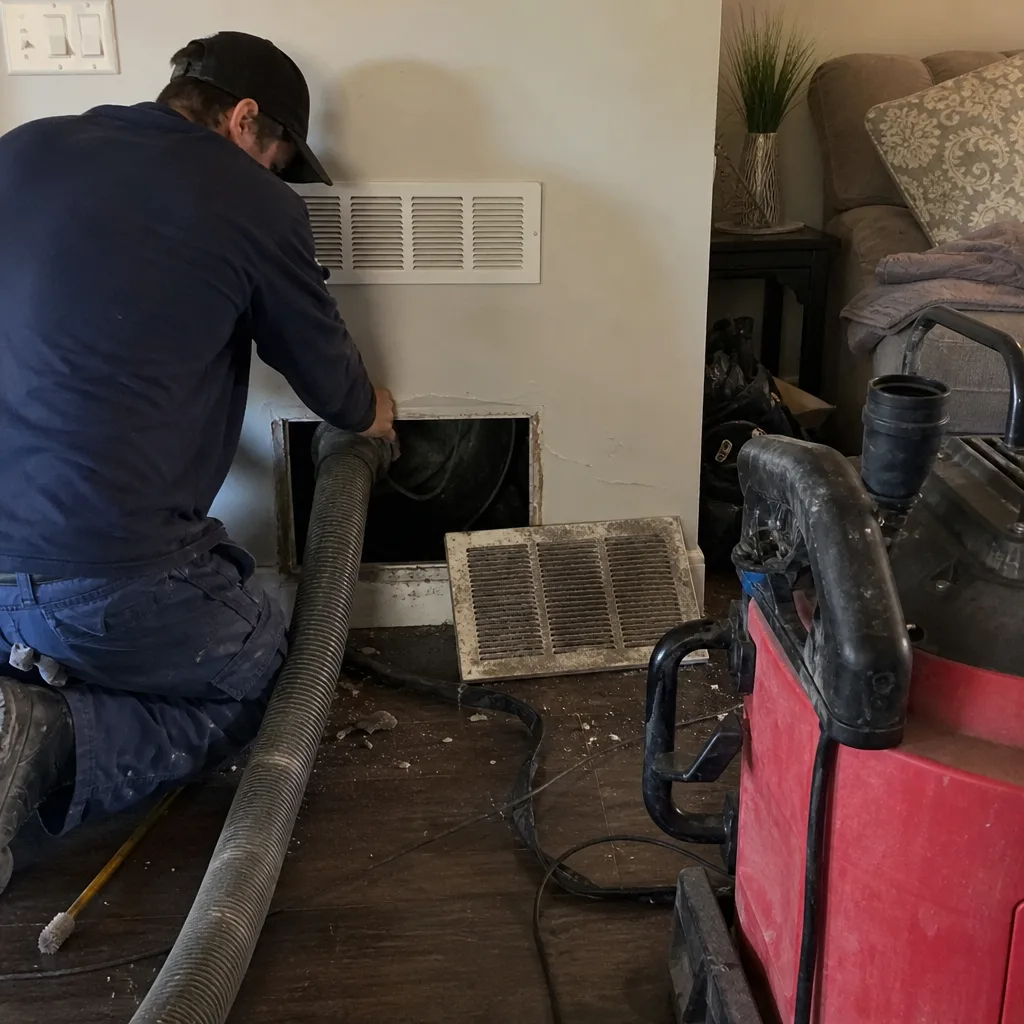 Before
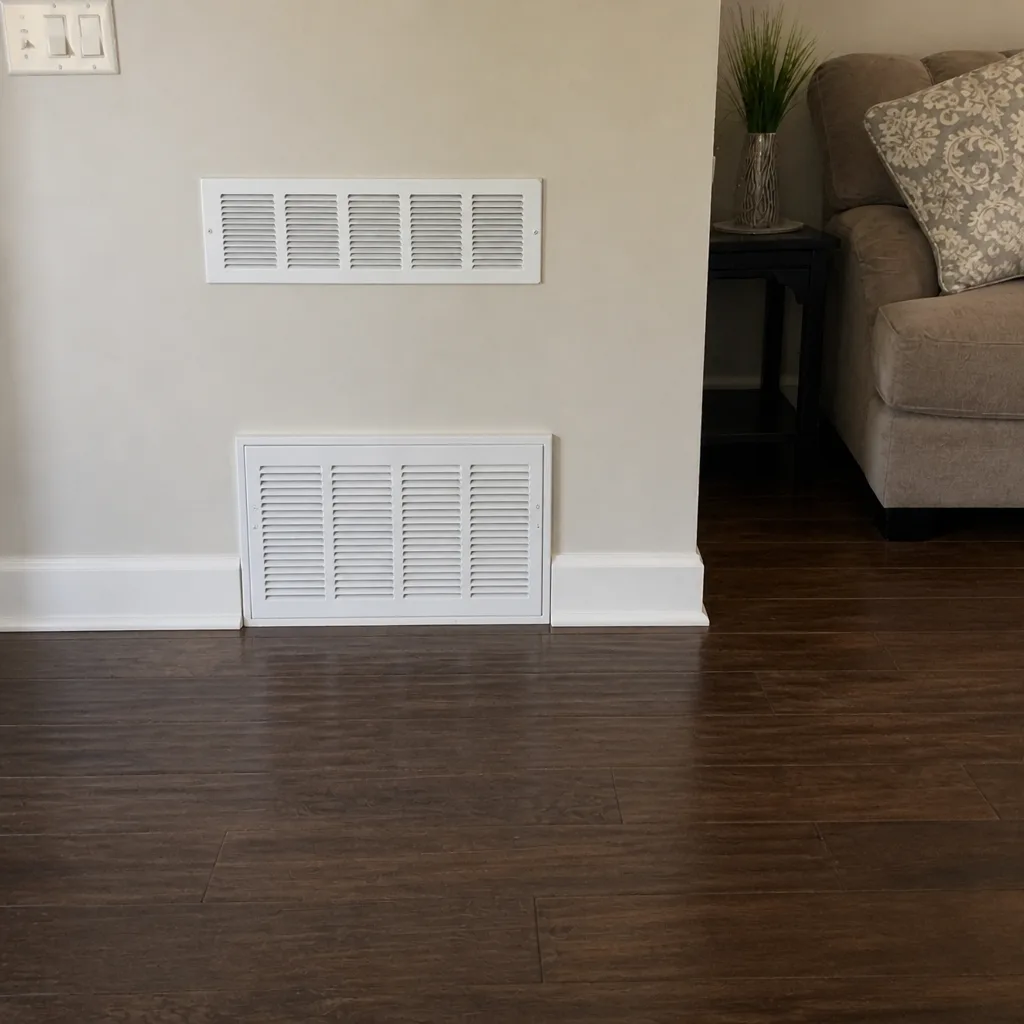 After
When to Call a Professional
The window between an event and permanent damage is short. Call us when smoke has infiltrated the ductwork during a wildfire event, when water has reached the air handler or any duct run, or when a dust storm has pushed a heavy load through the return. If the system is still running while contamination is circulating, stop it first, then call. We answer 24/7 and dispatch from 7am to 7pm, Sunday through Friday. We respond to post-event calls with a free estimate, and we’ll tell you plainly whether your ducts need cleaning, repair, or simply a filter change and a wait. That kind of honesty is the whole point; we’d rather send you away than sell work you don’t need. If repairs are called for, we can handle them on the same visit rather than referring you out. Call (844) 914-0778 for a free estimate.
Frequently Asked Questions
Within a few days if the system was running during the event. The longer smoke residue sits on the duct walls and the coil, the harder it is to remove and the more likely it becomes a persistent odor problem. Turn the system off immediately, then schedule an inspection within the first week. Call (844) 914-0778 for an exact quote; estimates are free.
Standard cleaning alone often won’t remove heavy smoke odor because the residue clings to duct walls and collects on the coil. Post-smoke recovery should include HEPA-based source removal, mechanical agitation of the duct surface, and coil cleaning. We use Rotobrush and Nikro equipment designed for that work. The written estimate will specify exactly what’s included. Call (844) 914-0778 to schedule.
It depends on how deep the water went and what the duct material is. Flex duct or duct board that was submerged or soaked usually needs replacement rather than cleaning. Ducts that stayed dry but sat in a humid crawlspace need inspection and cleaning. Either way, schedule the inspection within 48 hours so we can catch the mold window before it closes. Call (844) 914-0778.
Photograph the water line or event damage, the air handler, the coil, any visible duct runs, the registers, and anything showing growth or staining before any cleanup. A written inspection report with interior photos of the ductwork and a line-item scope add weight to the claim. We provide before-and-after documentation as part of post-event service. Call (844) 914-0778 to arrange it.
Pricing depends on the number of systems, the extent of contamination, and whether duct repair is needed, so we quote per job after an inspection and set the final price in writing. We don’t quote per vent or use coupon teaser pricing. The written estimate is the price you pay, and the inspection is free. Call (844) 914-0778 for an exact quote.
No, not effectively. Residential vacuums lack HEPA filtration and aerate fine smoke particulate back into the room instead of containing it. The equipment required to reach the interior of the trunk line and clean the coil properly is professional-grade. Turn the system off, seal the returns, and schedule an inspection rather than attempting a DIY cleaning. Call (844) 914-0778.
The Bottom Line
The right response to a duct-contaminating event in Lakewood is fast and mechanical, not complicated. Turn the system off, seal the returns, document the condition before you touch anything, and schedule a professional inspection within the week, or within 48 hours for water. Smoke requires HEPA-based source removal and coil cleaning because standard cleaning leaves residue behind. Flooding requires the right sequence because the mold window is measured in days. Dust storms usually need a filter change plus monitoring, and a full cleaning if the load was severe. And the pre-season checklist in this guide is worth running through every spring and before monsoon season, because preparation does more to protect a system than any single recovery step. If you’ve had an event and you’re not sure whether your ducts need work, the safest move is a free estimate from an inspector who can show you exactly what’s inside. Current customers and new ones alike can reach out through Lakewood Duct Cleaning when it’s time.
If you’ve read through this guide and want to know where your system stands, call Lakewood Duct Cleaning at (844) 914-0778. We answer 24/7. Fast dispatch from 7am to 7pm, Sunday through Friday. Estimates are free, the price is set per system in writing before any work starts, and we’ll show you the before-and-after photos so you can see exactly what was removed.
Written by the team at Lakewood Duct Cleaning.