
Last updated November 15, 2026
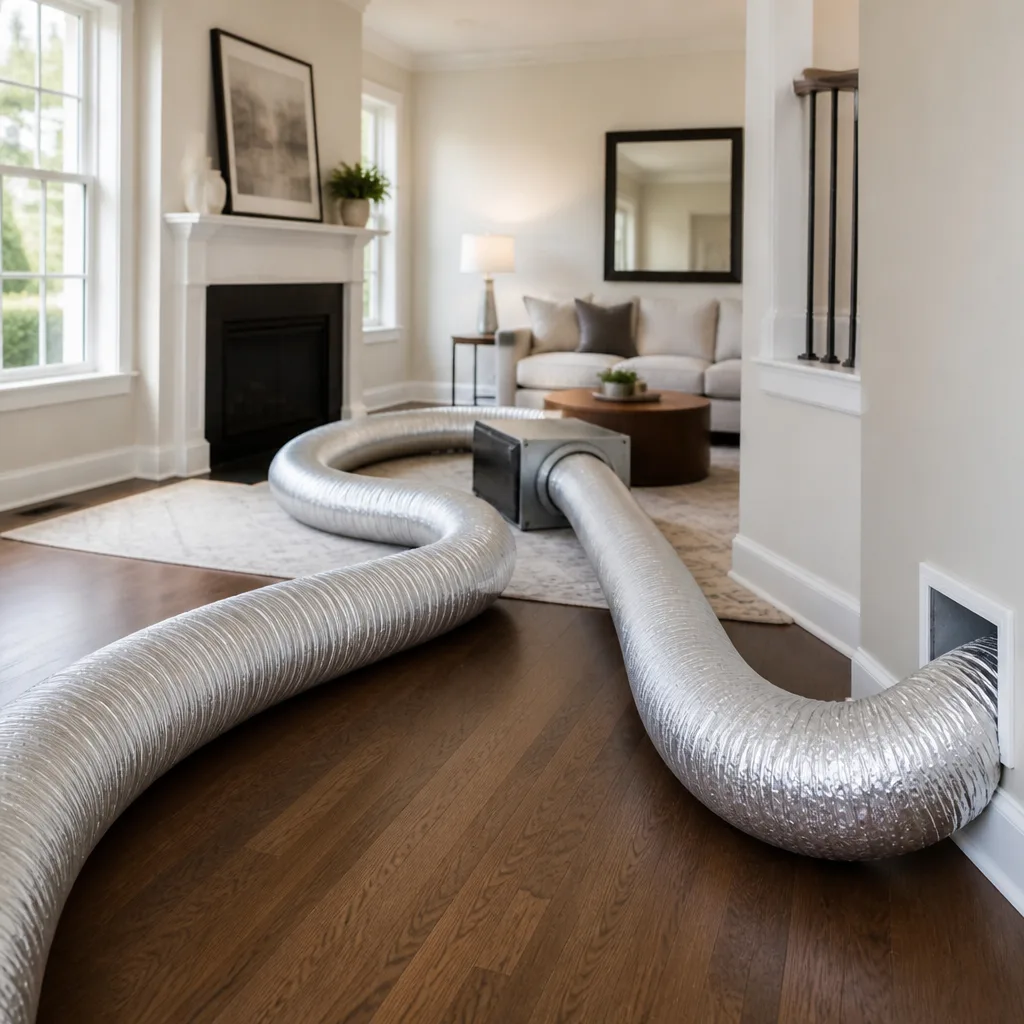 Whole-home duct cleaning
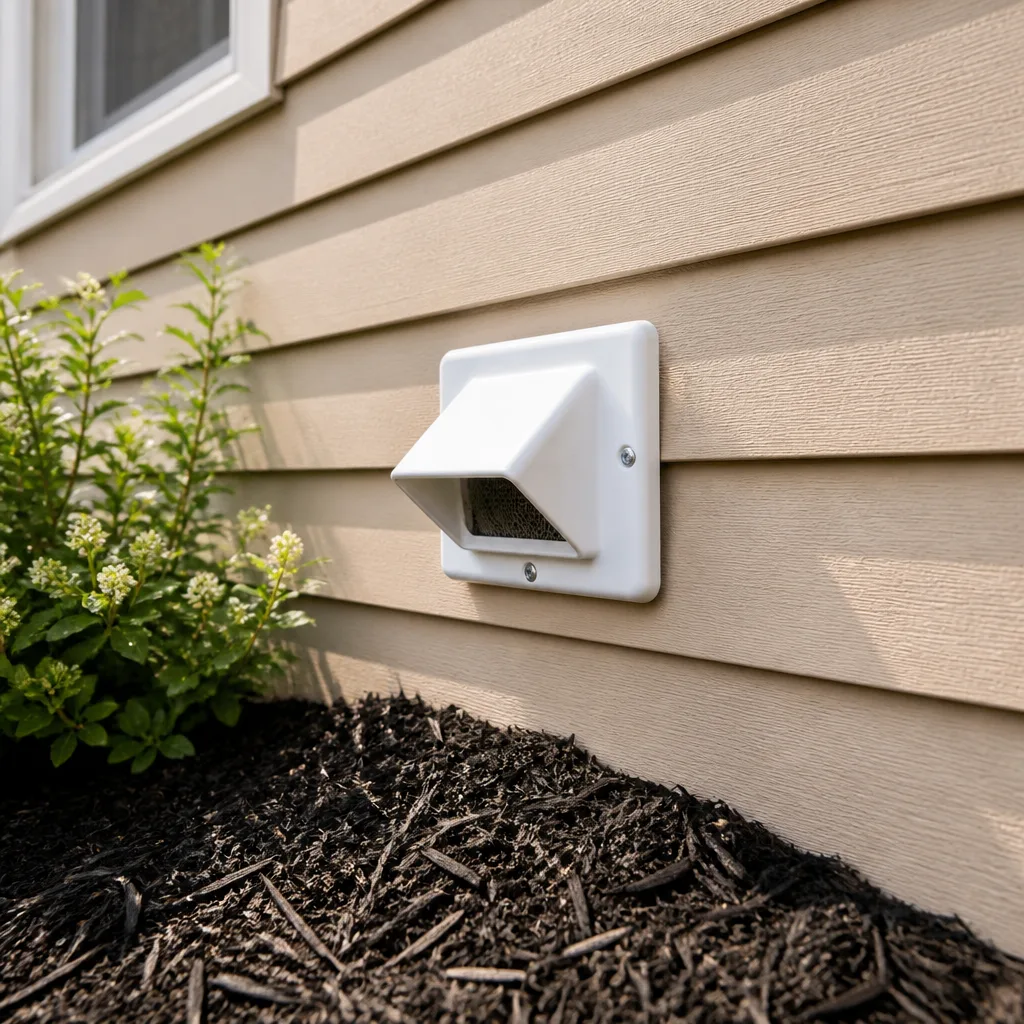 Dryer vent cleaning
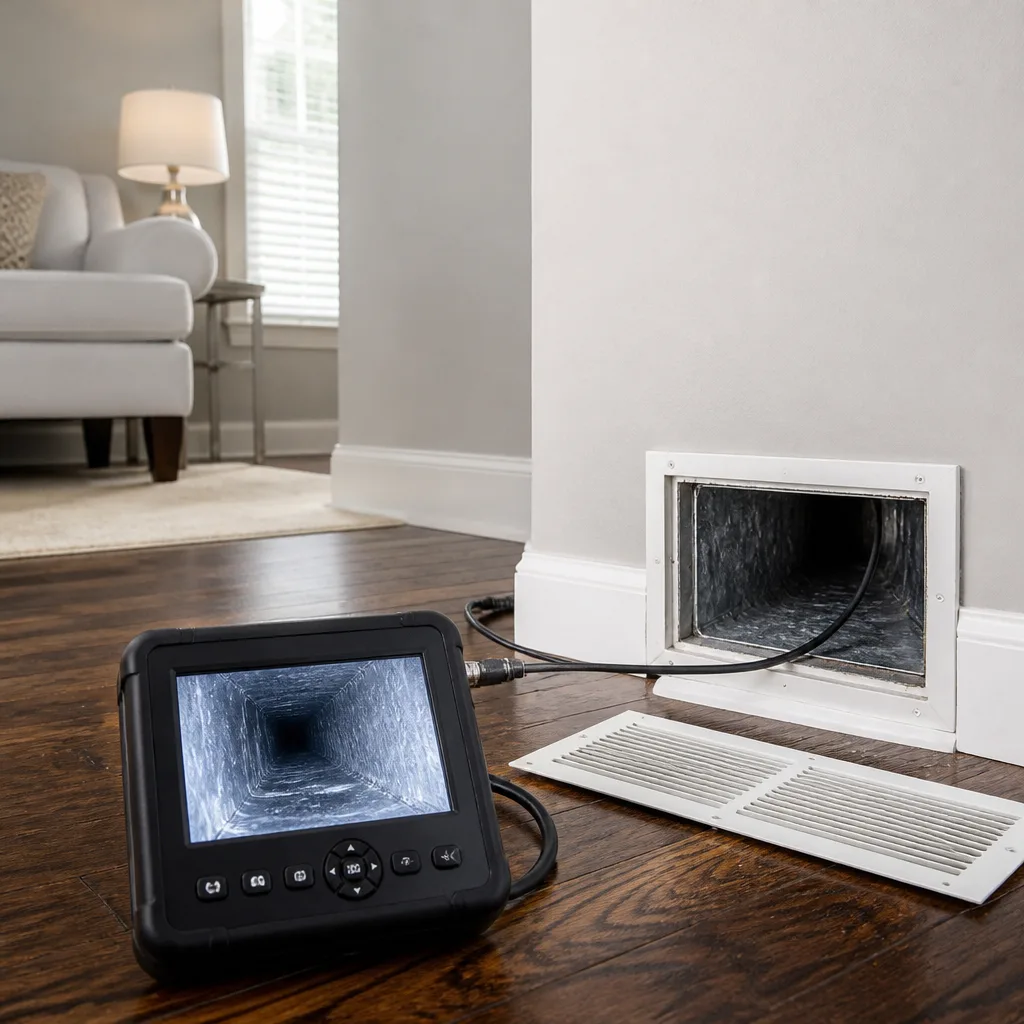 Camera inspection
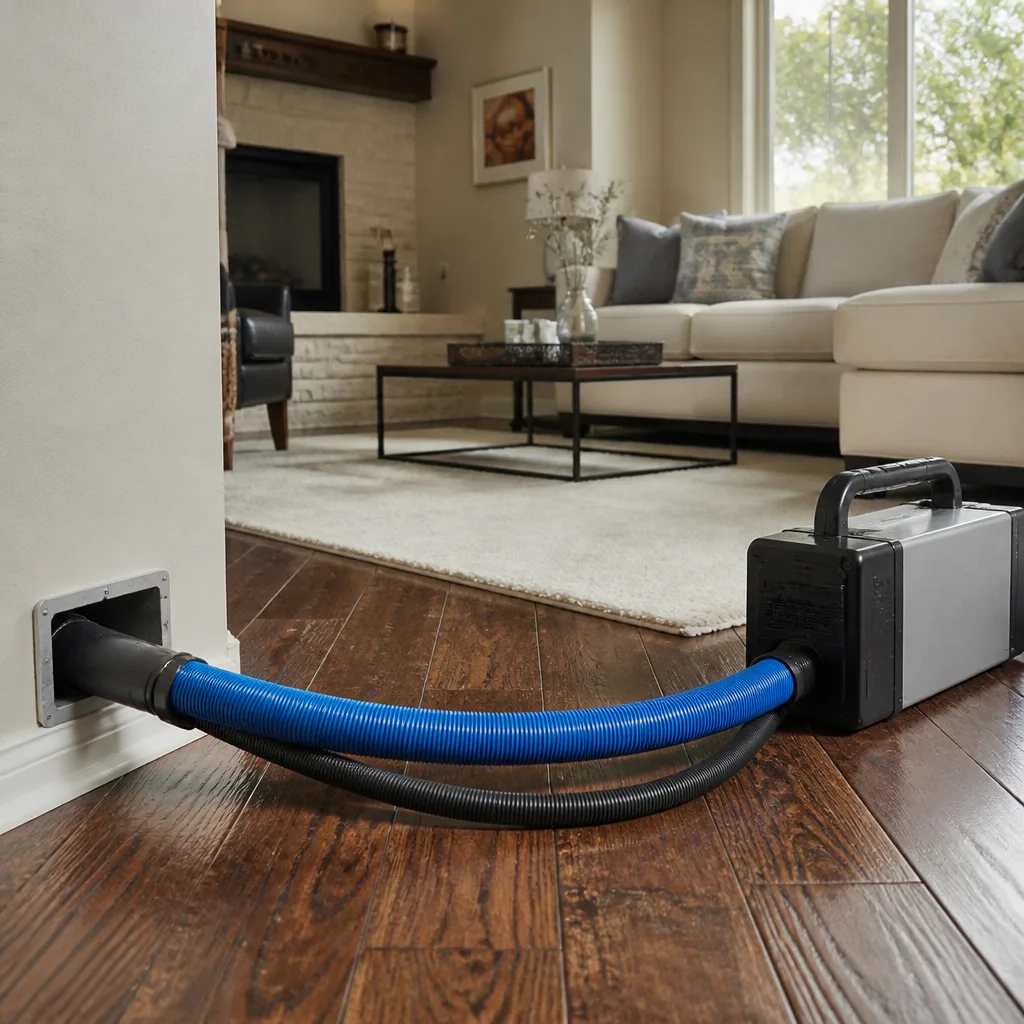 Sanitizing & deodorizing
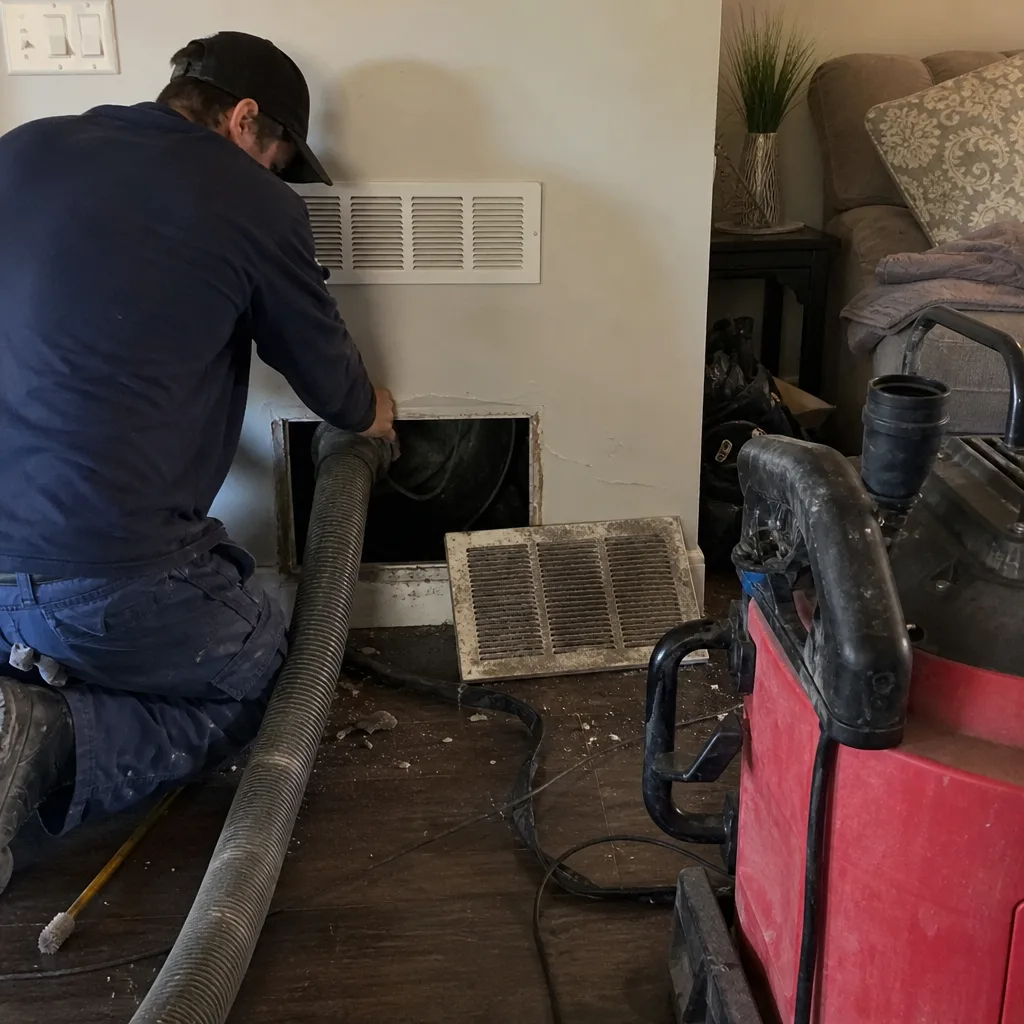
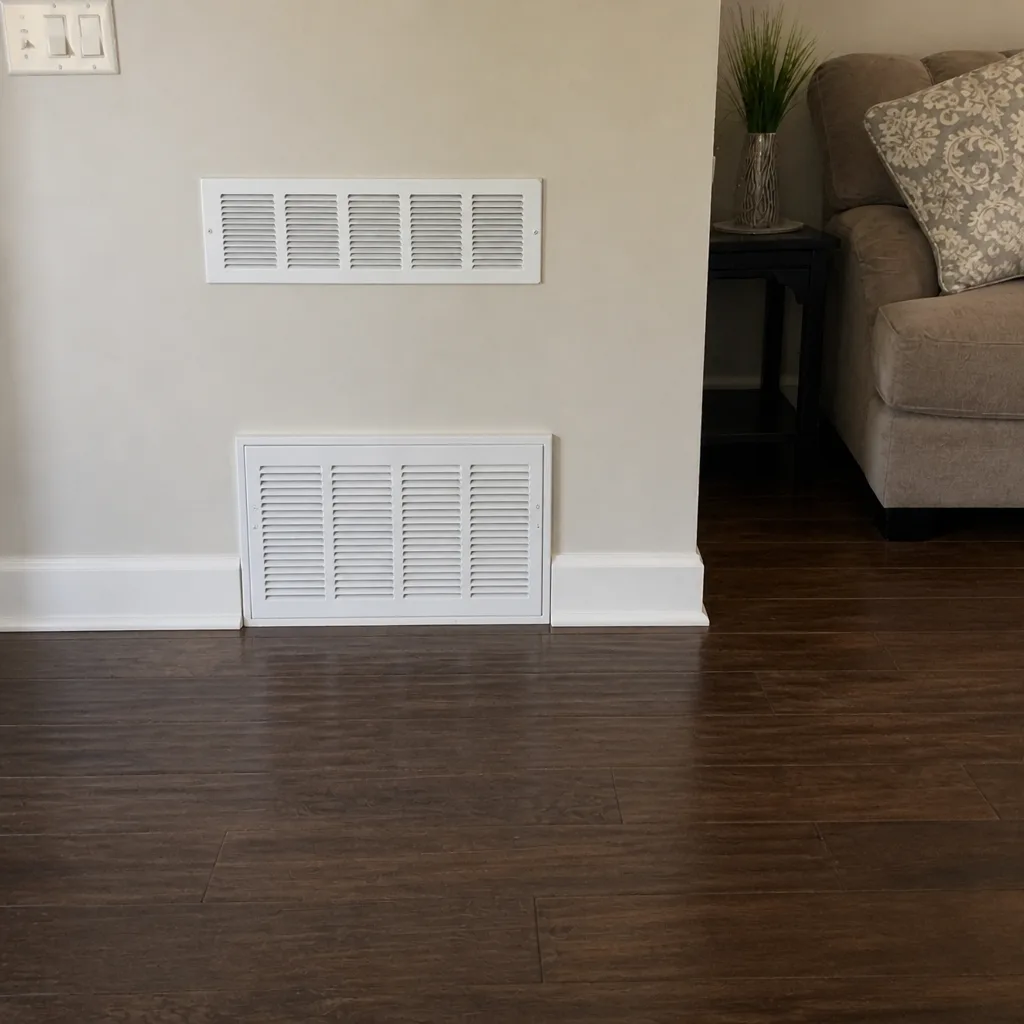
Whole-system duct and dryer vent check with before-and-after photos - you see exactly what came out of your vents
That "$99 whole-house special" is a bait ad - the real number appears once they are in your hallway, or the "clean" is a shop-vac at the register. We photograph the inside of your ducts before and after instead.
How to Hire an Air Duct Cleaning Contractor in Lakewood: A Step-by-Step Guide
Colorado does not require a license to clean air ducts. That single fact changes how you should shop for the service. Anyone with a shop vac, a ladder and a website can legally take your money and open up your HVAC system, and no state agency will check their training, their equipment or their workmanship before or after the job.
Most homeowners assume the government vets this trade the way it vets electricians or plumbers. It doesn’t. Here in Lakewood, where forced-air heat runs through older ductwork across neighborhoods like Belmar, Eiber and Lakewood Hills, that gap puts the entire screening process on you. What follows is a concrete, repeatable process you can use before signing anything: how to read a quote, what to ask about equipment, how to verify a contractor’s standing on your own, and what a real pre-job walkthrough should look like.
Quick Answer
To hire an air duct cleaning contractor in Lakewood, verify the company’s equipment and credentials yourself rather than trusting the quote, ask specifically what machines will enter your home, and confirm in writing whether the contractor can repair damaged ductwork or only clean it. Get a written, whole-system price before work begins, request before-and-after photos, and treat an unusually low bid as a signal that corners will be cut. Because Colorado doesn’t license this trade, this screening process is the only protection you have.
Styles & brands we work with
- Whole-home duct cleaning
- Dryer vent cleaning
- Camera inspection
- Sanitizing & deodorizing
Table of Contents
- Why Colorado Doesn’t License Duct Cleaners (and What That Means for You)
- What NADCA Membership Actually Means, and How to Verify It
- The Equipment Questions That Separate Pros From Shop-Vac Setups
- How to Read a Duct Cleaning Quote in Lakewood
- Cleaning vs. Repair: Why the Distinction Matters Before You Hire
- What a Legitimate Pre-Job Walkthrough and Post-Job Report Include
- A Step-by-Step Screening Process You Can Follow
- Common Mistakes to Avoid
- When to Call a Professional
- Frequently Asked Questions
- The Bottom Line
Why Colorado Doesn’t License Duct Cleaners (and What That Means for You)
Colorado leaves air duct cleaning unlicensed at the state level, which means there’s no exam, no minimum training hours and no state registry to check before you hire. The trade is legal for anyone to perform. In a state that licenses electricians and plumbers, this is the exception, not the rule, and it’s the reason a Lakewood homeowner can’t rely on “licensed and insured” alone as proof of competence.
That phrase still matters, but it needs unpacking. Insurance protects you if a technician damages your home or gets hurt on your property; ask for a certificate of insurance and confirm the policy is current. “Licensed” is murkier here, since there’s no state duct-cleaning license to hold. Some contractors carry local business licenses and industry certifications, which are worth confirming, but neither is a substitute for knowing which machines will be used and how the company handles a problem it finds mid-job.
In our experience, the contractors worth hiring will happily answer equipment and process questions before you commit. The ones that get defensive or dodge are telling you something.
What you’re really screening for in Lakewood comes down to three things:
- Equipment quality: does the contractor use professional-grade negative-pressure systems, or consumer tools dressed up as commercial?
- Scope: can they diagnose and repair compromised ductwork, or only clean what’s there?
- Transparency: will they show you photos and a written report, and give you a written price before work starts?
Everything in this guide circles back to those three. For a broader overview of the service itself, start with Lakewood Duct Cleaning, then come back here to screen contractors methodically.
What NADCA Membership Actually Means, and How to Verify It
NADCA, the National Air Duct Cleaners Association, publishes a recognized industry standard for how duct cleaning should be performed. Membership signals that a company has chosen to align with that standard, and that’s a meaningful data point, but it’s not a guarantee of quality and it’s not the same as certification. A company can hold membership without every technician holding individual certification, and vice versa.
The word “membership” gets stretched in this industry. Some companies say “NADCA-certified” when they mean “we follow NADCA guidelines,” which is a different claim. So don’t take the badge on a website as proof. Verify it directly.
Here’s how to check a contractor’s standing yourself:
- Ask the company for its exact NADCA status: member, certified firm, individual-certified technicians, or none of these.
- Cross-check against NADCA’s own member directory rather than a badge graphic on a page, which anyone can reproduce.
- Ask which technicians on the job hold current certification, since certifications require renewal.
- Ask whether the company follows the NADCA standard on the job, and what that actually looks like in your home.
Membership tells you a contractor cares about standards. It doesn’t tell you whether they use commercial-grade equipment or can repair a crushed run of flex duct. So treat it as one box to check, not the whole checklist. The next section covers the questions that separate a genuinely capable operation from a cheap one.
The Equipment Questions That Separate Pros From Shop-Vac Setups
Professional duct cleaning depends on two pieces of equipment: a powerful vacuum that pulls debris out under negative pressure, and a tool that physically dislodges it from the duct walls. Consumer tools can’t do either effectively. A shop vac doesn’t create the vacuum to collect debris at the source, and a spinning brush on the end of a drill doesn’t reach far enough into the system to matter.
Neglecting this distinction is how a “cleaning” turns into a redistribution of dust. If a contractor runs air through your system without real vacuum pressure, the debris gets pushed into your living space, your furnace and your return plenum. That’s worse than leaving it alone. This is why we operate air duct cleaning equipment built for the job, including Rotobrush rotary-brush systems and Nikro HEPA-filtration vacuums that capture particulates at the source. Purpose-built machines, not consumer shortcuts.
Ask these questions before you book:
- “What vacuum will you use?” A negative-pressure, HEPA-capable unit is the standard. A wet/dry shop vac isn’t.
- “Does it capture at the source?” HEPA filtration traps fine particles rather than blowing them back into the room.
- “What agitates the duct walls?” Rotary brushes and air whips reach built-up debris that a simple hose won’t move.
- “Will you show me the equipment when you arrive?” A contractor proud of their machines won’t mind.
The gap shows up in the work, not the sales pitch. A residential shop vac pushes maybe a fraction of the airflow a commercial unit generates, and it can’t hold a seal at your trunk line. If a contractor can’t name their equipment on the phone, that’s your answer. For the ductwork-only side of the trade, the dryer vent cleaning page is a useful reference on how a properly equipped crew handles a vent run, since the same vacuum-and-agitation logic applies.
How to Read a Duct Cleaning Quote in Lakewood
Most duct cleaning pricing problems start with the quote, not the work. A quote that arrives without a walkthrough, names a suspiciously round number, or prices per vent is a warning sign. Legitimate pricing is per system, agreed in writing before work begins, based on what the technician actually sees.
Here’s what a low bid usually reflects. A very cheap quote often means one or more of the following: a shop-vac-only operation, a crew that cleans the visible registers and calls it done, or a price designed to turn into an upsell once the technician is in your home. A coupon figure followed by a much larger invoice is the classic bait-and-switch pattern in this trade, and it’s the single most common complaint we hear from Lakewood homeowners.
When you compare quotes, ask each contractor to hold up to the same standard:
- Whole-system scope: supply and return ducts, registers, and usually the main trunk line. Ask exactly what’s included.
- Written price: the final number is set by the written estimate, agreed before work starts, not after.
- No per-vent pricing: it’s a way to pad the bill. Price should be per system.
- Photo proof: before-and-after photos of your own ducts, not stock images.
- Clear limits: what the price covers and what it doesn’t, in writing.
Don’t compare quotes by their headline number alone. A cheaper bid that skips the return side or uses consumer equipment isn’t cheaper; it just does less. When you’re ready for a written estimate, the team at Lakewood Duct Cleaning gives you a whole-system price before anyone touches your ductwork.
Cleaning vs. Repair: Why the Distinction Matters Before You Hire
Most duct cleaning companies can clean. Fewer can repair. That difference matters the moment a technician finds disconnected joints, crushed flex duct, a torn boot or a run that was never sealed properly. If your contractor can only clean, the answer is a referral to someone else, and you’re back to vetting a second company.
In older Lakewood housing stock, from mid-century ranch homes to the townhome clusters near Belmar, ductwork problems are common. Flex duct gets crushed behind drywall, joints pull apart, and boots come loose. A cleaning crew that finds these issues but can’t fix them leaves you with the same air leaks you started with. That’s why we clean it, and if it’s broken, we fix it. Air duct repair happens on the same visit and stands behind the cleaning.
Ask these questions before you hire:
- “Can you diagnose duct problems during the cleaning?” A capable contractor will map the system and flag leaks, tears and disconnects.
- “Can you repair what you find?” If the answer is no, that’s a limitation to know up front, not after.
- “What’s the process if you find damage mid-job?” You want a clear answer on the price and scope before you consent.
- “Do you repair or replace ductwork that can’t be salvaged?” Some damage can’t be fixed in place.
A contractor who can both clean and repair is a single point of contact for the whole ventilation system. That’s the advantage: one visit, one diagnosis, no shuttle between companies. If your HVAC was recently installed or you just bought the house, having the ducts inspected for damage is worth asking for on the same visit. For more on the repair side, the Lakewood city page has local context on the housing stock and typical duct configurations.
What a Legitimate Pre-Job Walkthrough and Post-Job Report Include
A pre-job walkthrough is your best chance to compare contractors on equal footing, and a post-job report is your proof the work was done. Ask for both before you hire. Companies that skip one or the other are giving you less information than a competent contractor would.
The pre-job walkthrough should be specific, not a clipboard glance. Expect a technician to:
- Count and inspect every register and return: supply and return openings, not just the visible ones.
- Open the air handler or furnace access: the coil area shows how dirty the system really is.
- Look for disconnected joints, crushed duct, and moisture: a sign of deeper problems.
- Explain the scope, price and equipment in writing: before a single tool goes in.
- Set a photo baseline: before-and-after photos of your own ducts give you a comparison point.
The post-job report is the other half. It should identify what was cleaned, note any damage found, list repairs performed or recommended, and include the photo record. Together, the walkthrough and the report let you compare two or three Lakewood contractors against the same checklist instead of guessing at what changed between bids. Ask for both in writing, and keep them. When a company sends a written estimate before the job and a written record after, you have real evidence to work with.
A Step-by-Step Screening Process You Can Follow
Put the whole thing in order. This is the sequence we’d suggest to anyone shopping for duct cleaning in Lakewood, and it works whether you’re comparing two bids or five.
- Decide what you need cleaned. Is this routine maintenance, a post-renovation cleanup, or a response to a problem like allergies or a dryer that’s running hot? The scope changes the bid.
- Shortlist three contractors. Include one with a strong local reputation and one with a price you can compare. Ignore any quote that arrives before a walkthrough.
- Ask the equipment and repair questions on the phone. If a contractor can’t name their vacuum and agitation tools, or can’t tell you whether they repair ductwork, they’re out.
- Verify NADCA standing and insurance. Check the member directory, ask for a certificate of insurance, and confirm the certificate is current.
- Request a pre-job walkthrough and a written, whole-system estimate. Compare every bid on scope, not just on the bottom line.
- Confirm what the job includes. Registers, returns and trunk line, plus photo record. Get it in writing.
- Review the post-job report. Compare the before-and-after photos, note any repairs recommended, and decide whether you’re satisfied.
That’s the whole process. It takes a few phone calls and one walkthrough, and it puts you in a far stronger position than picking whichever coupon landed in your mailbox. If you’ve recently moved into a Lakewood home, the walkthrough is also a good moment to ask about your dryer vent, since dryer vent cleaning addresses a leading cause of residential fires and belongs on the same checklist. For everything else about the trade in this city, the Lakewood neighborhood notes are a useful reference.
Common Mistakes to Avoid
- Hiring on price alone. The cheapest bid is often the one that cuts equipment, scope or both. A price you can’t trace back to a walkthrough and a written scope is a gamble, not a deal.
- Assuming “licensed” means state-licensed. Colorado doesn’t license duct cleaners, so confirm what the credential actually refers to. If a company leans on “licensed” without saying by whom, ask.
- Missing the repair question. A crew that can only clean will hand you a referral the moment they find a crushed run. Ask about repair capability before you hire, not after.
- Skipping the walkthrough. Booking over the phone without an in-person look means nobody has checked your duct configuration, and the price is guesswork.
- Accepting a per-vent quote. Per-vent pricing invites padding and hides the true system cost. Insist on a whole-system price in writing.
- Forgetting to ask for photos. Without before-and-after photos of your own ducts, you have no way to confirm the work was done. Ask before the job.
- Overlooking the dryer vent. If a Lakewood contractor is already in your home, ask whether the dryer vent is on the scope. It’s a leading cause of residential fires, and a cleaning crew that skips it misses the biggest safety item in the room.
See the difference
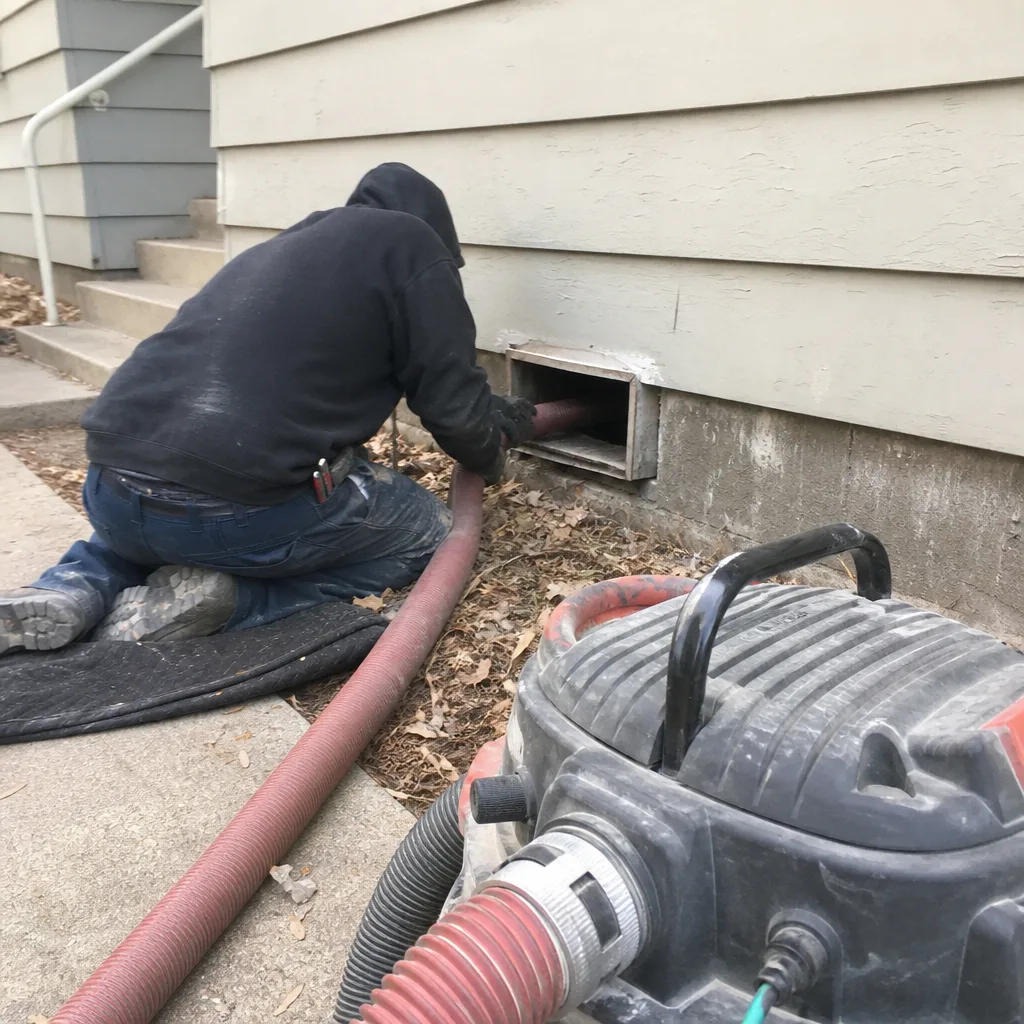 Before
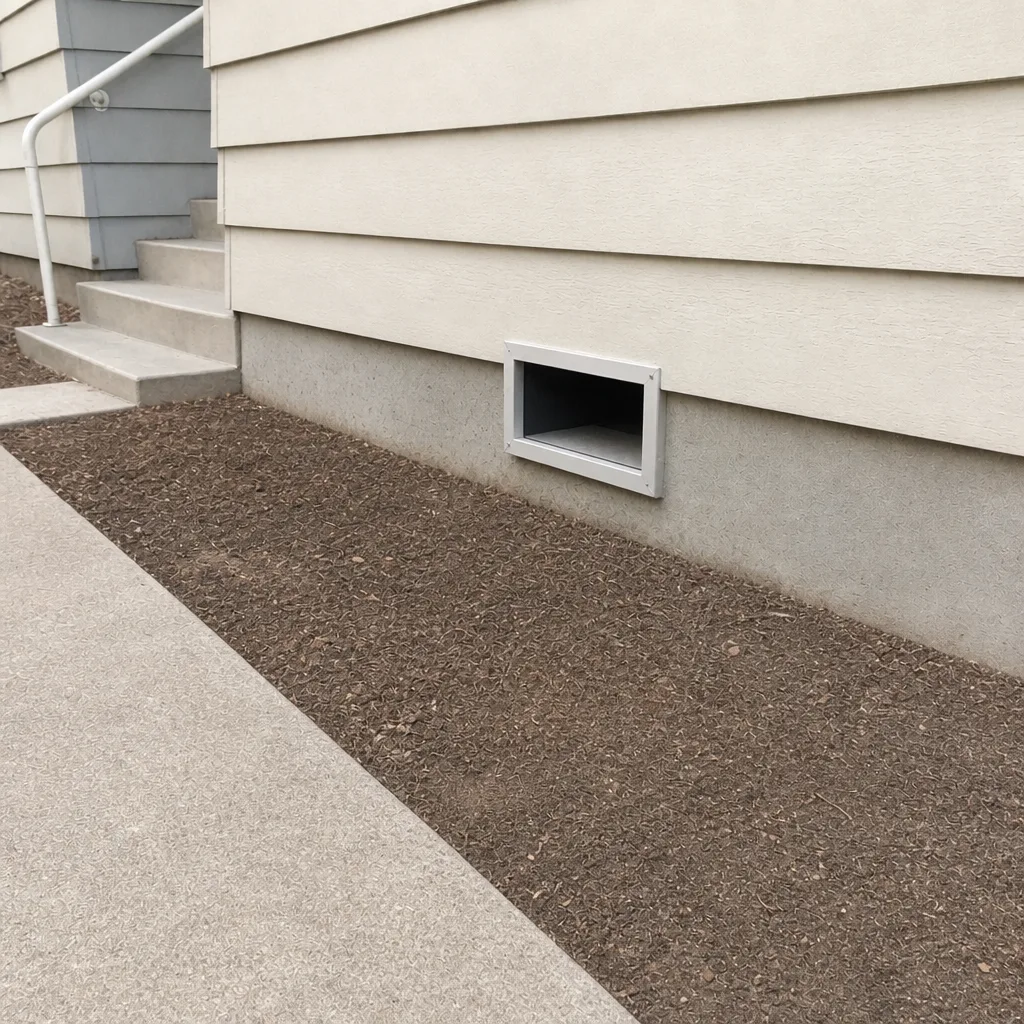 After
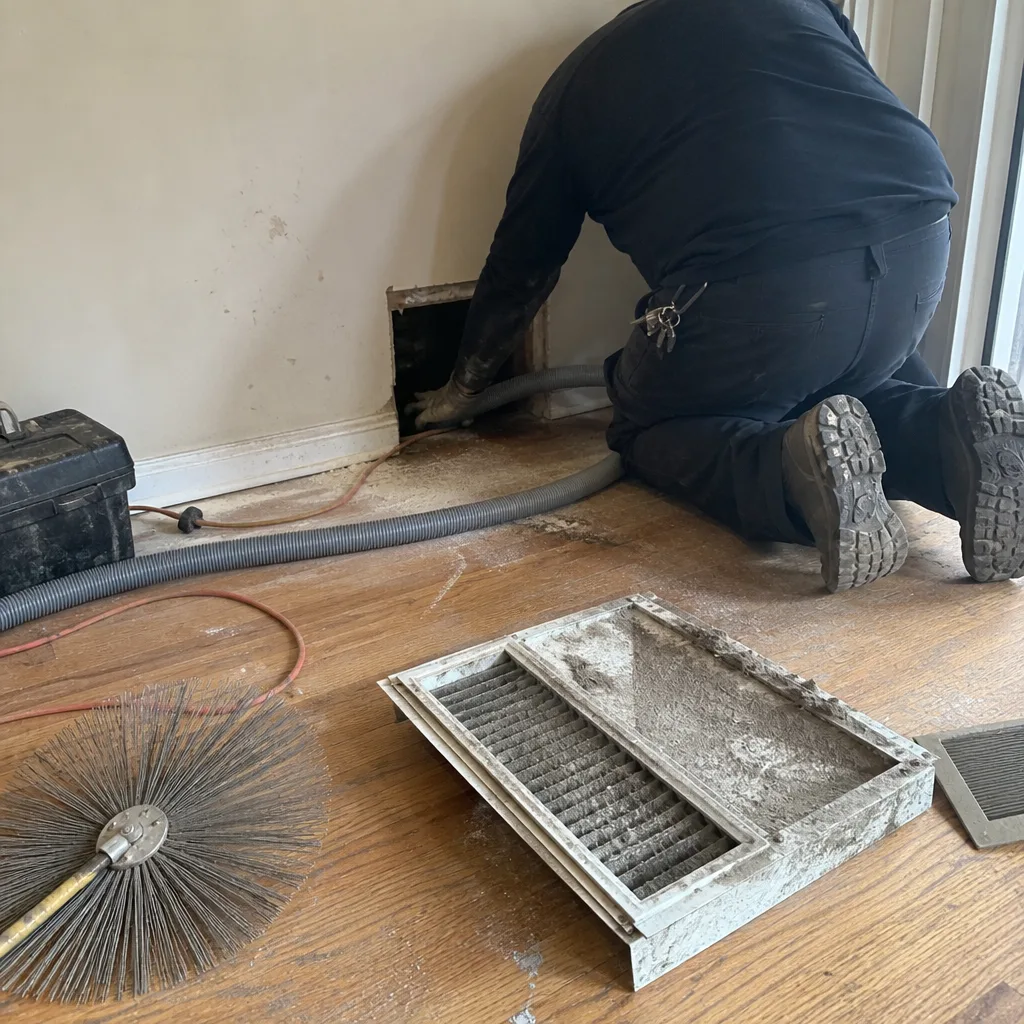 Before
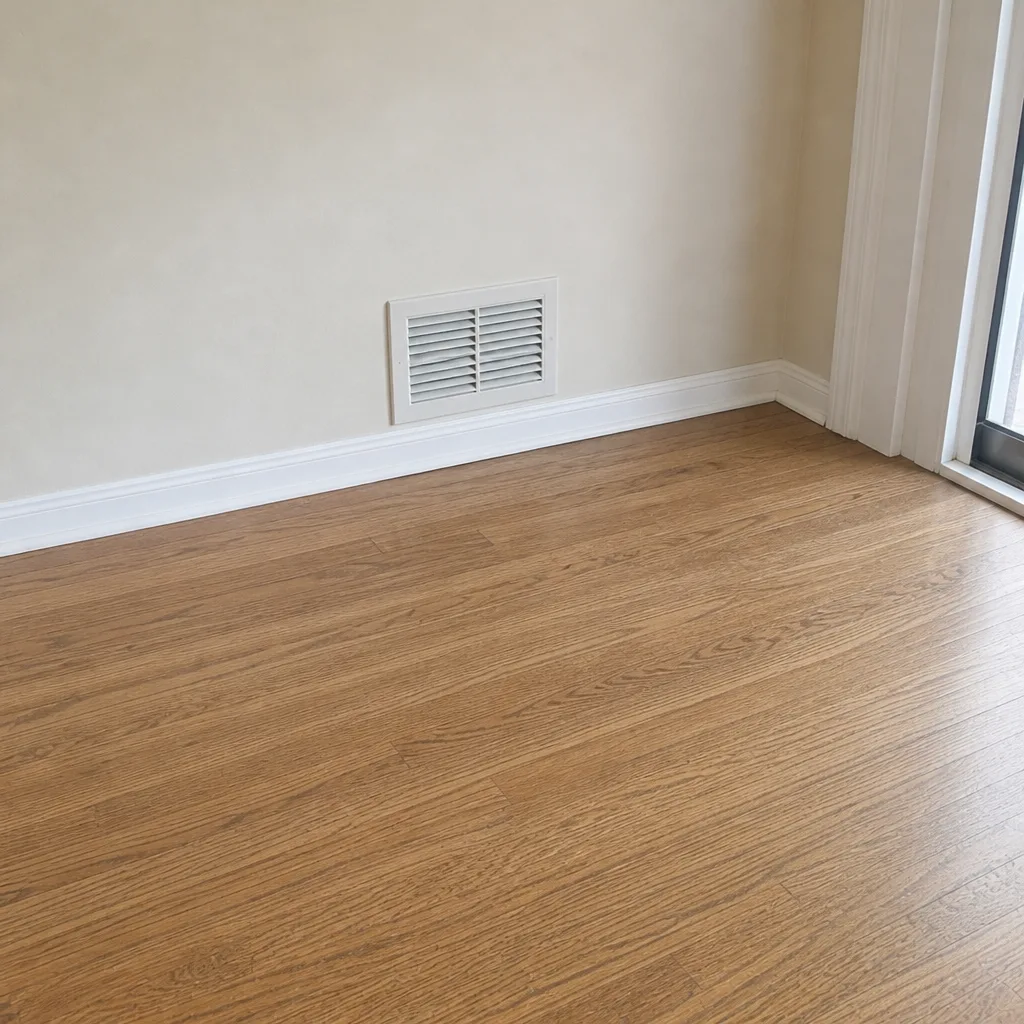 After
 Before
 After
When to Call a Professional
Routine duct cleaning is a judgment call, but some situations call for a professional sooner. If you’ve just finished a renovation and drywall dust has settled into the system, that’s a job for commercial-grade equipment, not a shop vac. If a dryer is running hot or clothes take longer to dry, the vent is the first place to look. If recent allergy symptoms or musty smells track back to the HVAC system, a professional inspection can tell you whether the ducts are the source. If your HVAC was recently installed or the home was recently purchased, a walkthrough with a contractor who both cleans and repairs gives you a full picture. Lakewood Duct Cleaning offers free estimates in Lakewood, so call (844) 914-0778 to book a walkthrough.
Frequently Asked Questions
It’s worth it when there’s a real reason to clean: post-renovation debris, a visible buildup, a musty smell, or a recent purchase or HVAC install. It’s a judgment call for routine maintenance, but in a Lakewood home with older ductwork, a single cleaning and inspection often surfaces repair issues worth knowing about.
Most homes don’t need it on a fixed schedule. The honest answer is to clean when conditions warrant it, not on a calendar a salesperson hands you. Annual cleaning is more than most systems need, and a contractor who pushes you toward one without a walkthrough is selling, not diagnosing.
Start with the equipment and walkthrough questions, not the badge on the page. Ask for equipment names, a written whole-system estimate, and a copy of their insurance. If they claim NADCA standing, confirm it against NADCA’s directory. Colorado doesn’t license the trade, so verification is on you.
A cheap quote usually reflects less work: shop-vac equipment, a registers-only cleaning that skips the returns and trunk line, or a teaser price that grows once the technician is in your home. Compare scope and equipment across bids, not just the number. Call (844) 914-0778 for an exact quote from us, and compare it against the others.
Some can, and some can only clean. Ask explicitly before you hire, since the answer changes what happens when damage is found. At Lakewood Duct Cleaning, air duct repair is part of the service, so a disconnected joint or crushed run can be diagnosed and fixed on the same visit rather than referred out.
A whole-system cleaning should cover supply and return ducts, registers, and the trunk line, using negative-pressure HEPA equipment and rotary-brush agitation. It should include a before-and-after photo record and a post-job report. If any of those are missing from the bid, ask why. Call (844) 914-0778 to discuss what your Lakewood home needs.
The Bottom Line
Colorado doesn’t license air duct cleaners, so the vetting falls on you. The good news is that a straightforward screening process does the work: confirm the equipment, confirm whether the contractor can repair as well as clean, get a written whole-system estimate, and ask for before-and-after photos. Those four steps filter out most of the risk, and they work regardless of which Lakewood contractor you call. Our technicians have up to 9 years of experience, we use professional-grade Rotobrush, Nikro and Abatement Technologies equipment, and we work with systems built on Honeywell, Aprilaire and Guardsman platforms. We clean it, and if it’s broken, we fix it.
Get a Free Written Estimate
Ready to put this checklist to work? Call (844) 914-0778 for a free estimate. We answer 24/7. Fast dispatch from 7am to 7pm, Sunday through Friday. Our team will walk the system with you, explain the equipment, and give you a whole-system price in writing before any work begins, with before-and-after photos of your own ducts when the job is done.
Written by the team at Lakewood Duct Cleaning.