
Last updated November 15, 2026
 Whole-home duct cleaning
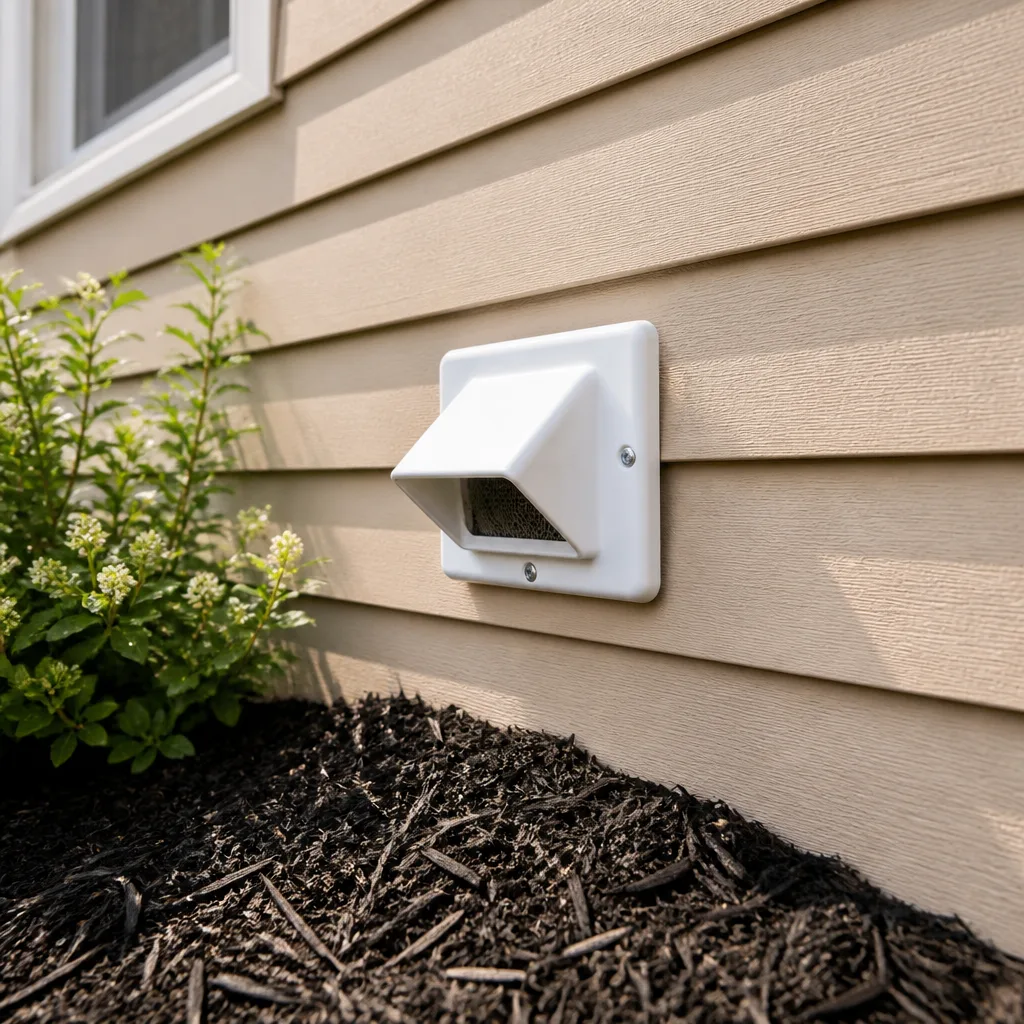 Dryer vent cleaning
 Camera inspection
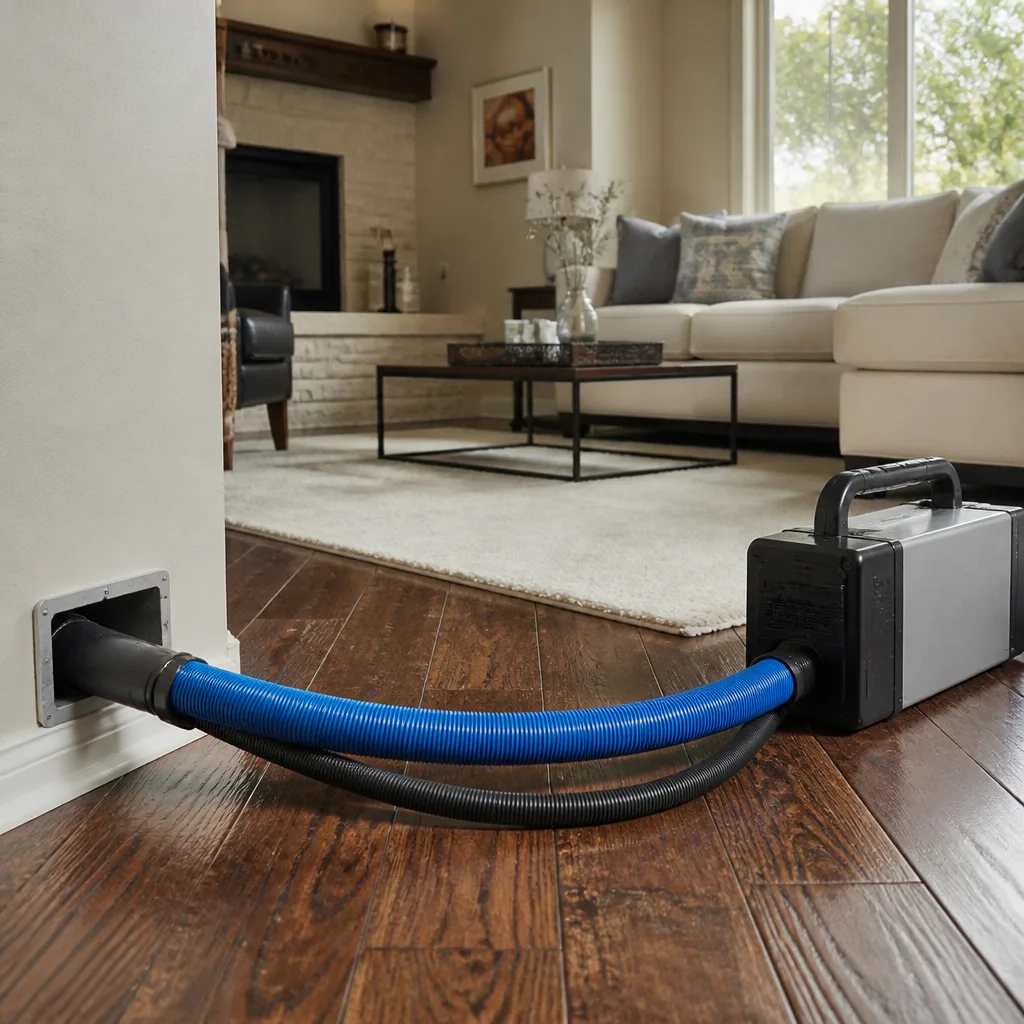 Sanitizing & deodorizing
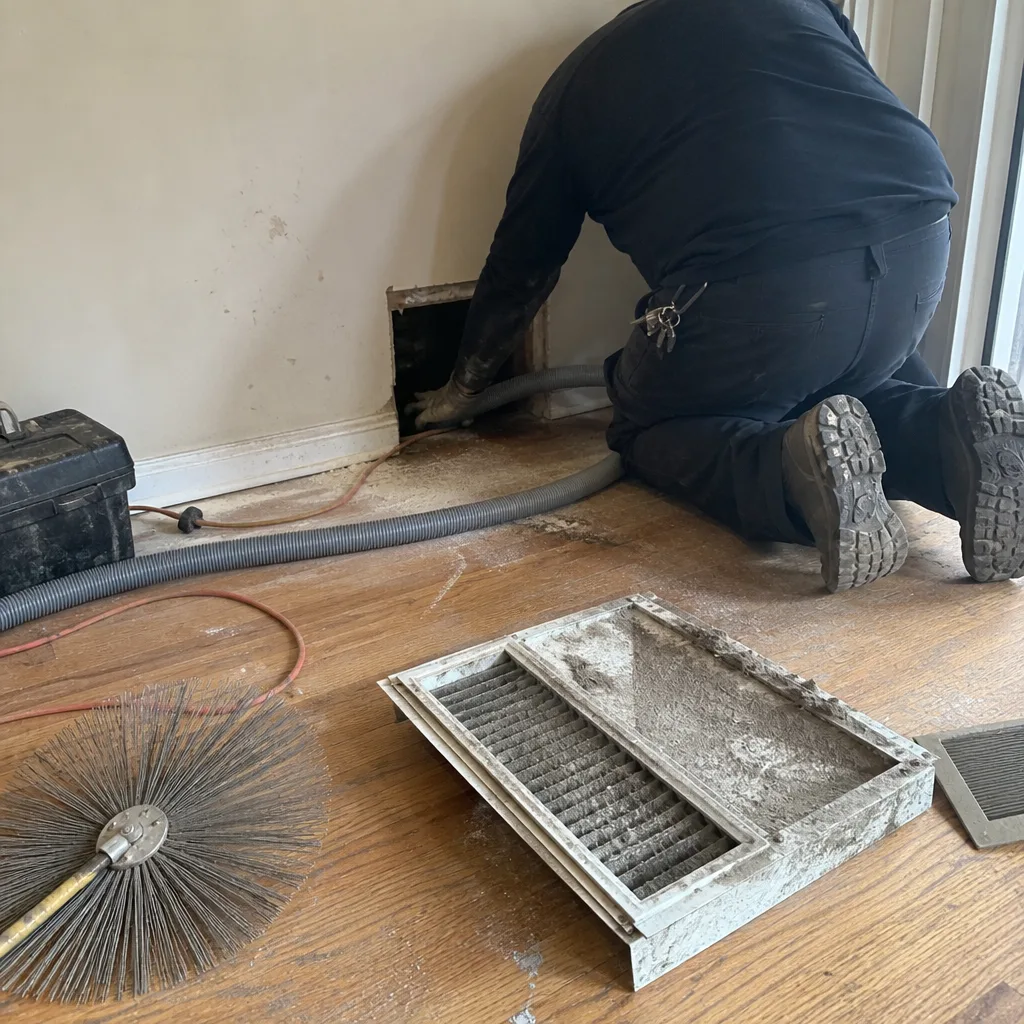
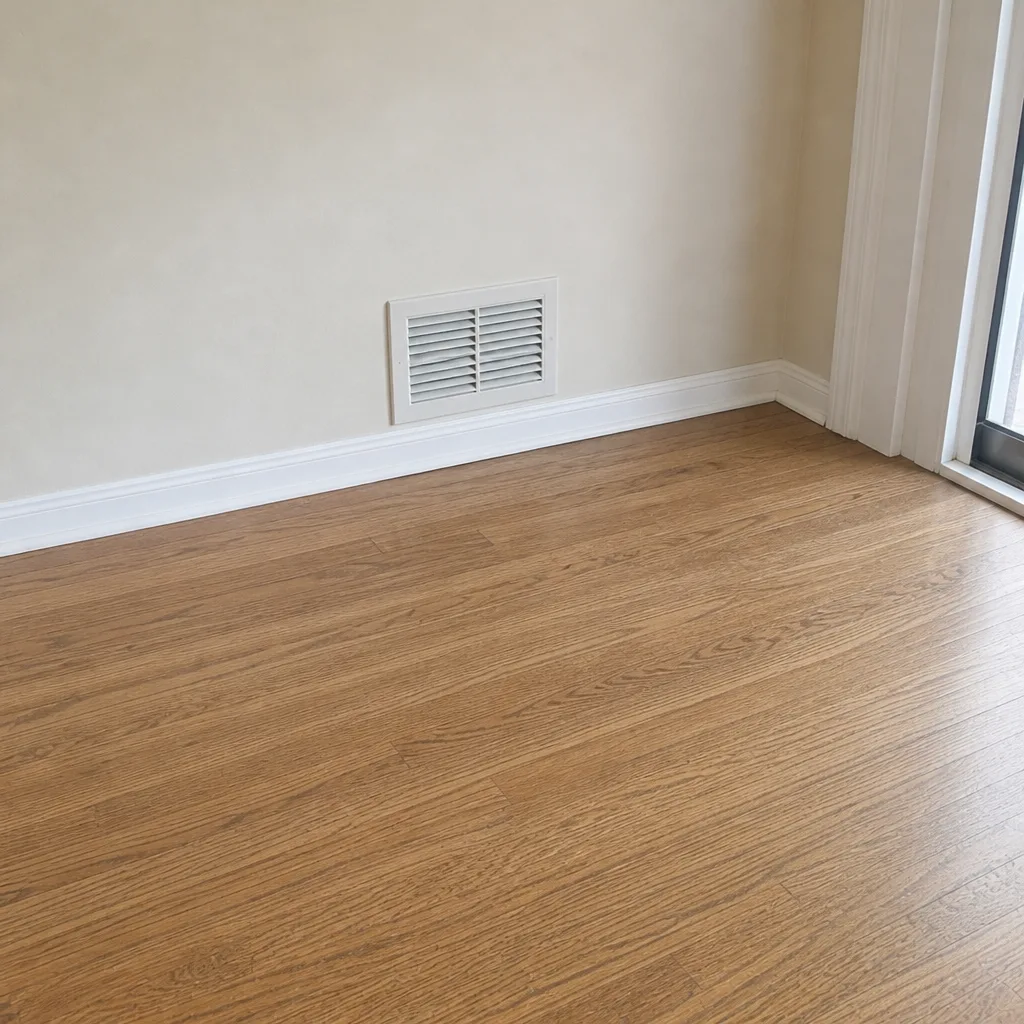
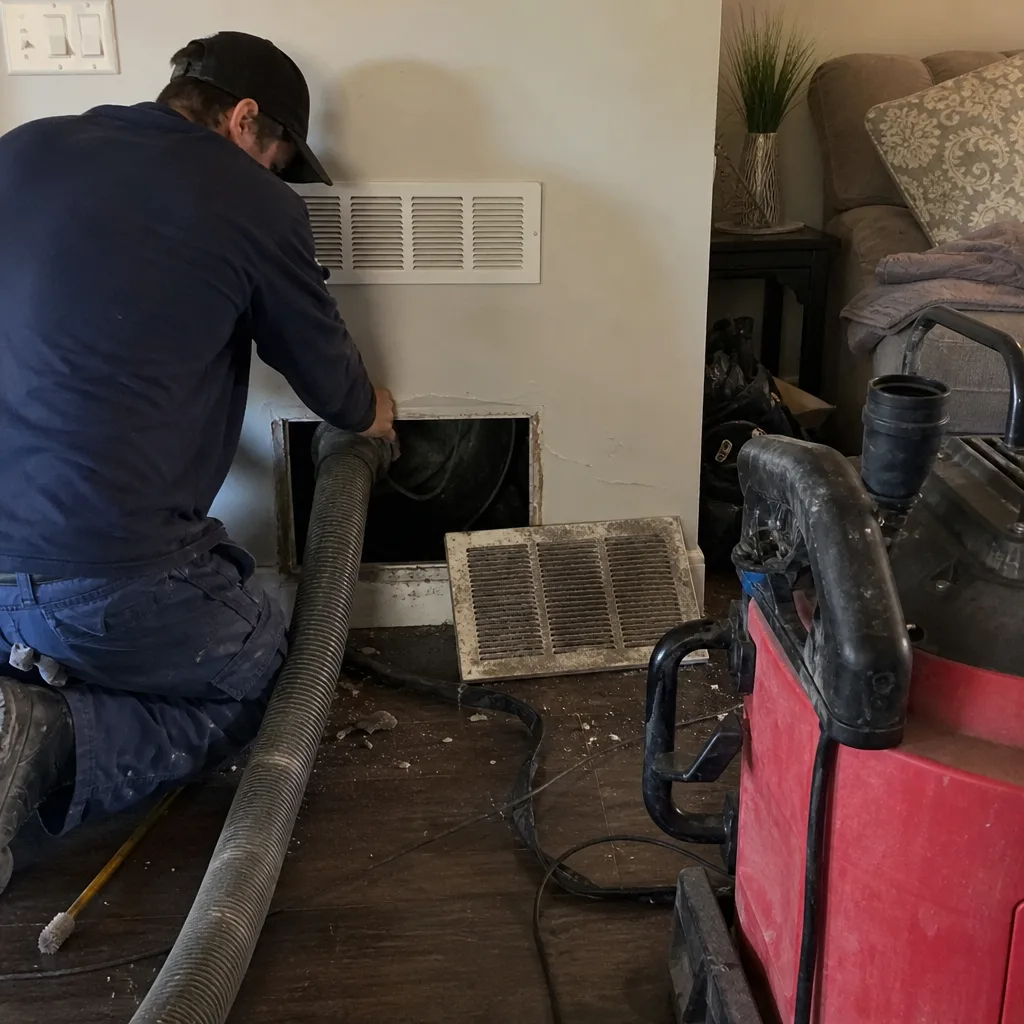
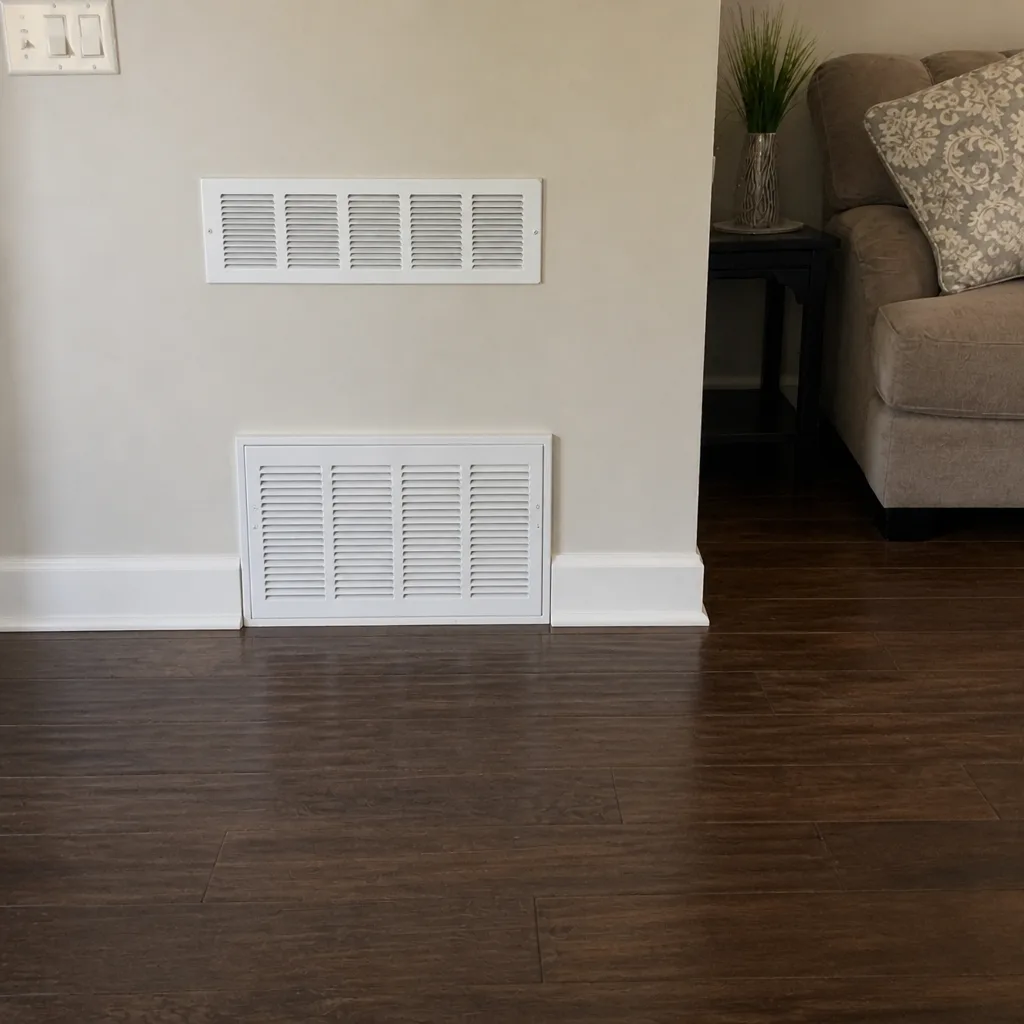
Whole-system duct and dryer vent check with before-and-after photos - you see exactly what came out of your vents
That "$99 whole-house special" is a bait ad - the real number appears once they are in your hallway, or the "clean" is a shop-vac at the register. We photograph the inside of your ducts before and after instead.
Seasonal Air Duct Cleaning Care for Lakewood: Year-Round Homeowner’s Guide
Most homeowners treat duct cleaning as a reaction. Something smells off, someone sneezes through April, or the furnace starts pushing dust instead of warm air, and only then does anyone look inside the vents. That approach misses the real pattern. Ductwork in Lakewood doesn’t get dirty at a steady rate all year. It loads up in distinct seasonal waves, and each season leaves behind a different kind of debris inside the same system. Spring brings pollen and construction dust. Summer drives the air conditioner hard and exposes loose joints. Fall is when idle ducts collect whatever summer left behind. Winter is dry, static, and relentless on fine dust. This guide walks through what each Lakewood season actually does to your ducts and gives you a month-by-month schedule so you’re staying ahead of the buildup instead of cleaning up after it.
Quick Answer
Air ducts in Lakewood don’t need the same care every month. The highest-debris window is late winter into spring, right when the heating-to-cooling transition stirs loose everything that settled during furnace season. The most useful single action each year is a pre-heating-season inspection in early fall, before the furnace runs for the first time. A full professional cleaning roughly once a year, timed to the season that stresses your system hardest, covers most Lakewood homes; homes near active construction, with pets, or with allergy sufferers in the household often benefit from a closer interval.
Styles & brands we work with
- Whole-home duct cleaning
- Dryer vent cleaning
- Camera inspection
- Sanitizing & deodorizing
Table of Contents
- Spring in Lakewood: Why Post-Winter Is the Highest-Debris Period
- Summer: Static Pressure, Flex Duct, and What July Reveals
- Fall: The Pre-Heating-Season Inspection That Pays Off
- Winter: Low Humidity and How Fine Particulate Moves
- The Lakewood Month-by-Month Duct Care Calendar
- What the Heating-to-Cooling Transition Tells You
- Common Mistakes to Avoid
- When to Call a Professional
Spring in Lakewood: Why Post-Winter Is the Highest-Debris Period
By the time spring arrives in Lakewood, your ductwork has spent months as the terminal point of every cubic foot of heated air the furnace pushed through the house. Furnace season is a dust-moving season. Warm air rises, carries fine particulate with it, and deposits it along duct walls, on register grilles, and inside return plenums. That layer is still sitting there in March. Then spring adds its own load: cottonwood fluff, mountain cedar pollen, and the fine construction dust that comes with the remodeling and roofing work that ramps up across the Front Range as soon as the ground thaws.
What makes spring the highest-debris period isn’t one source. It’s the collision of two. The residual winter layer gets disturbed the first time you switch from heat to cool, and the fresh outdoor load comes in through return air and any gap in the envelope. Homes near busy corridors or active building sites in Lakewood tend to show this most clearly – the return side of the system fills faster than the supply side, which is one reason a professional cleaning looks at both.
What to check after winter
- Pull a register cover and look at the visible duct wall behind it. A light film is normal; a visible mat of gray fuzz means the layer has built up.
- Check the return grille filter. If it’s loading faster than usual, more particulate is circulating than the system is designed to handle.
- Look at the blower compartment access panel – dust accumulation there mirrors what’s happening deeper in the ducts.
- Note any musty or “closed-up” smell on the first warm day. That’s often the winter layer getting stirred.
Spring is also when we get the most calls about allergy flare-ups that seem to start indoors. The professional answer is boring but true: a clean, sealed duct system is part of the picture, and a dirty one works against everything else you do. Our technicians have up to 9 years of experience and can tell you on a walkthrough whether the system needs a cleaning, a repair, or just a filter change.
Summer: Static Pressure, Flex Duct, and What July Reveals
Summer changes how your ducts behave, not just what’s inside them. When the air conditioner runs, the system operates under different static pressure than it does in heating mode. Blower speed, coil resistance, and duct sizing all interact. In a well-designed system, the difference is small. In a system with a loose joint, a crushed flex run, or a disconnected boot, summer is when the problem surfaces – and July is the month it surfaces most often in Lakewood.
Why July? It’s the peak cooling load. The system runs longer, at higher static pressure, through the hottest weeks. A flex duct that’s been half-detached since last season finally blows apart, or a joint that was marginal gives way. The symptom is usually a room that won’t cool no matter what the thermostat says – often an upstairs bedroom or a room at the end of a long run.
What a summer inspection looks for
- Disconnected or slipped flex duct at boots and plenum takeoffs
- Crushed or kinked flex runs, common where ductwork was run tight through framing
- Loose register boots that leak conditioned air into wall cavities
- Static pressure readings at the air handler that suggest the system is working harder than it should
This is where air duct cleaning and repair belong together. A cleaning that doesn’t address a disconnected run just re-dirties the same air. When we find compromised ductwork, we can diagnose it and fix it on the same visit rather than handing you a report and a referral. That matters in summer, when you don’t have weeks to wait for a second contractor.
Fall: The Pre-Heating-Season Inspection That Pays Off
The single most useful maintenance action in the Lakewood duct calendar is a pre-heating-season inspection in early fall, before the furnace runs for the first time. Here’s why. An idle duct system is not an empty one. From late spring through early fall, ducts sit largely unused on the heating side while summer cooling handles the load. That idle period is when two things happen: combustion byproducts from the last heating season continue to off-gas slightly from the heat exchanger and flue connection area, and rodents – field mice especially – find their way into duct runs, flex joints, and crawlspace transitions looking for warmth and shelter.
Rodent activity inside ductwork is a genuine indoor air quality issue, not just an unpleasant discovery. Droppings, nesting material, and the contamination trail they leave behind are exactly the kind of load that routine cleaning is built to remove. Professional-grade equipment matters here. Our Rotobrush rotary-brush system is designed to dislodge built-up debris from duct walls, and our Nikro HEPA-filtration vacuum captures particulate at the source rather than redistributing it through the house. That’s the difference between a real cleaning and a shop vac with a long hose.
The pre-heating checklist
- Schedule the inspection before the first cold snap, not after. Fall appointments fill as soon as the forecast turns.
- Have the visible duct runs and the air handler compartment inspected for rodent sign and debris.
- Check the furnace filter and the return grille – fall is the right time to start fresh.
- Confirm the dryer vent was cleaned within the year, especially if the dryer has been running hot.
- Book the cleaning if the inspection shows buildup, or if it’s been more than a year since the last one.
Fall is also the right window to look at systems built on Honeywell or Aprilaire platforms. If your home has a humidifier, air cleaner, or zoning control tied into the ductwork, an inspection is the moment to confirm it’s all still working together before heating season puts it back in service.
Winter: Low Humidity and How Fine Particulate Moves
Winter in Lakewood is dry. Indoor relative humidity drops as cold outdoor air holds very little moisture, and heating that air pushes it even lower. Low humidity does something specific to ductwork: it makes fine particulate behave differently. Dust that would clump and settle in more humid air stays airborne longer when the air is dry, and static charge builds on duct walls and register surfaces, drawing fine particles to the surfaces they pass. The result is that winter redistributes dust rather than just accumulating it. The same gram of debris moves through more of the house, more often.
There’s a practical consequence. A homeowner who vacuums diligently in winter may still see dust settling on furniture within a day. That’s not a cleaning failure – it’s the physics of a dry, heated house moving fine particulate out of the ducts and into the living space. A clean duct system reduces the source. It doesn’t eliminate household dust, and no honest company will tell you it does.
Winter care actions
- Keep the furnace filter fresh – winter loads it fastest.
- Watch for static buildup on registers and grilles; it’s a sign fine particulate is circulating.
- Don’t close off registers in unused rooms for long stretches – it changes system pressure and can pull dust from wall cavities.
- If the dryer is running hot or taking longer to dry, get the dryer vent cleaning done – lint buildup in the vent is a real fire risk, and winter is when dryers work hardest.
Winter is also when we field the most questions about whether a cleaning is “worth it” mid-season. In our experience, if the ducts are already dirty, waiting until spring just means another season of the system pushing that load through the house. If they were cleaned in fall, winter is a maintenance season, not a cleaning season.
The Lakewood Month-by-Month Duct Care Calendar
This is the Front Range version, not the generic national one. It maps to Lakewood’s actual climate rhythm: a long heating season, a short but intense cooling season, a spring pollen and construction window, and a dry winter that moves fine particulate. Use it as a planning tool.
- January – February: Peak heating season. Check filters monthly. Note any rooms running cold – could be a duct issue, not a furnace issue.
- March: First warm days. Watch for musty smell on the first cooling run. Spring pollen load begins. Good month for a spring cleaning if the system is due.
- April – May: Cottonwood and construction dust window. Return side fills fastest. If you’re remodeling, schedule cleaning after the drywall phase, not before.
- June: Cooling season starts in earnest. Watch for rooms that won’t cool – often a flex duct problem surfacing.
- July: Peak cooling load. Highest risk window for disconnected flex runs and static pressure problems.
- August: Cooling continues. Good month to address any summer-discovered repair before heating season.
- September: The pre-heating-season inspection. This is the most important appointment on the calendar.
- October – November: Furnace runs for the first time. Rodent sign is most likely to be found now. Get the dryer vent checked before winter dryer season.
- December: Peak dry season. Fine particulate moves. Filter care matters most.
Two appointments a year – one in early fall, one in spring – cover the vast majority of Lakewood homes. Homes with pets, allergy sufferers, recent construction, or a history of rodent activity may want a closer interval, and we’ll tell you honestly on a walkthrough whether you need more or less.
What the Heating-to-Cooling Transition Tells You
The first switch from heat to cool each spring is the single most informative moment in your duct system’s year. Here’s why. During heating season, the system pushes warm, dry air. Dust that settles does so along duct floors and lower walls. When you switch to cooling, the air becomes cooler and often more humid, the blower speed changes, and the airflow pattern shifts. Everything that settled during winter gets stirred back into circulation in a matter of days.
Pay attention on the first cool morning. If you notice:
- A musty or “old house” smell on the first cooling run
- Visible dust blowing from registers on startup
- Allergy symptoms that flare indoors in the first two weeks of cooling season
- Any register that suddenly seems weak or silent compared to the others
Those are signals. Not emergencies, but information. The smell and the visible dust usually mean the winter layer is significant. The weak register usually means a duct problem. Either way, it’s a good moment to have the system looked at rather than waiting for a mid-summer failure.
We’ve seen many Lakewood homes where the spring transition is the first sign of a duct problem that would have shown up as a no-cool call in July. Catching it in April is cheaper and easier than catching it during a heat wave. Our Lakewood Duct Cleaning team treats that transition check as routine, not an upsell – it’s the cheapest diagnostic in the calendar.
Common Mistakes to Avoid
- Cleaning only the supply side. The return side usually carries more load. A cleaning that ignores the return plenum and the return grilles leaves the biggest source in place.
- Hiring a per-vent coupon. Per-vent pricing rewards speed over thoroughness. Look for one flat price per system, agreed before work begins, with before-and-after photos of your own ducts.
- Skipping the repair when the cleaning finds one. A disconnected or crushed flex run undoes a cleaning in weeks. If the system has a broken section, it needs to be fixed, not cleaned around.
- Ignoring the dryer vent. Lint buildup in the dryer vent is a leading cause of residential fires. It’s not a comfort upgrade – it’s safety, and it deserves the same professional equipment as duct cleaning.
- Cleaning before construction, not after. If you’re remodeling, the cleaning needs to happen after the drywall and sanding phase, or you’re just paying to re-dirty the system.
- Trusting a shop vac and a long hose. Consumer-grade tools redistribute fine particulate rather than capturing it. HEPA-filtration equipment like our Nikro vacuum is built for the job.
- Waiting until July to check the flex runs. A disconnected flex duct found in April is a small repair. Found in July during a heat wave, it’s a comfort emergency. Check in spring.
When to Call a Professional
Some seasonal care you can handle: filter changes, register checks, keeping an eye on the dryer. Other situations call for professional equipment and a trained eye. Call when you notice visible dust blowing from registers on startup, a musty or “old house” smell on the first cooling run in spring, rooms that won’t heat or cool evenly, rodent sign near duct runs or in the crawlspace, a dryer that’s running hot or taking longer than it used to, or when it’s simply been more than a year since the last cleaning and the calendar has rolled through a full heating and cooling cycle.
Lakewood Duct Cleaning offers free estimates in Lakewood and works with professional-grade Rotobrush, Nikro, and Abatement Technologies equipment. We clean it, and if it’s broken, we fix it. Call (844) 914-0778. We answer 24/7. Fast dispatch from 7am to 7pm, Sunday through Friday. Our technicians have up to 9 years of experience, and we’ll tell you honestly whether your Lakewood home needs a cleaning, a repair, or neither.
See the difference
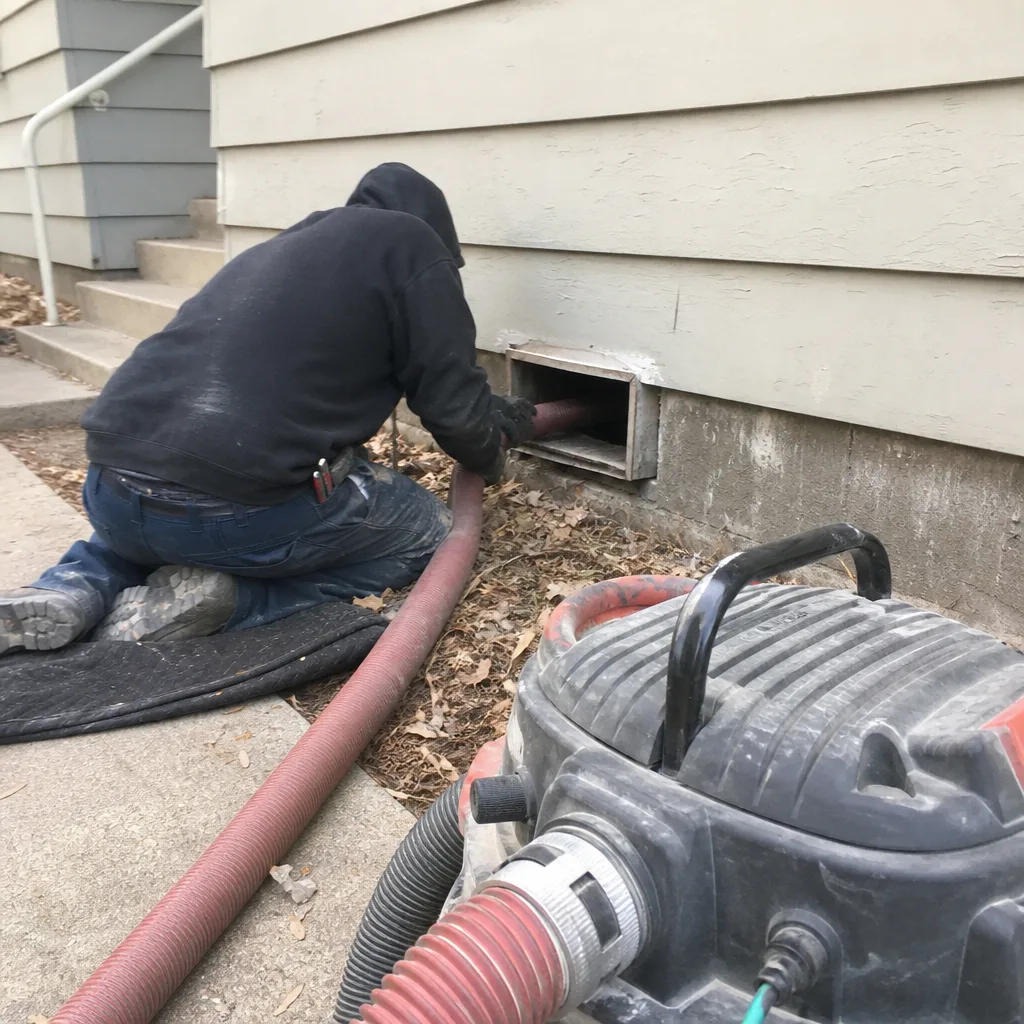 Before
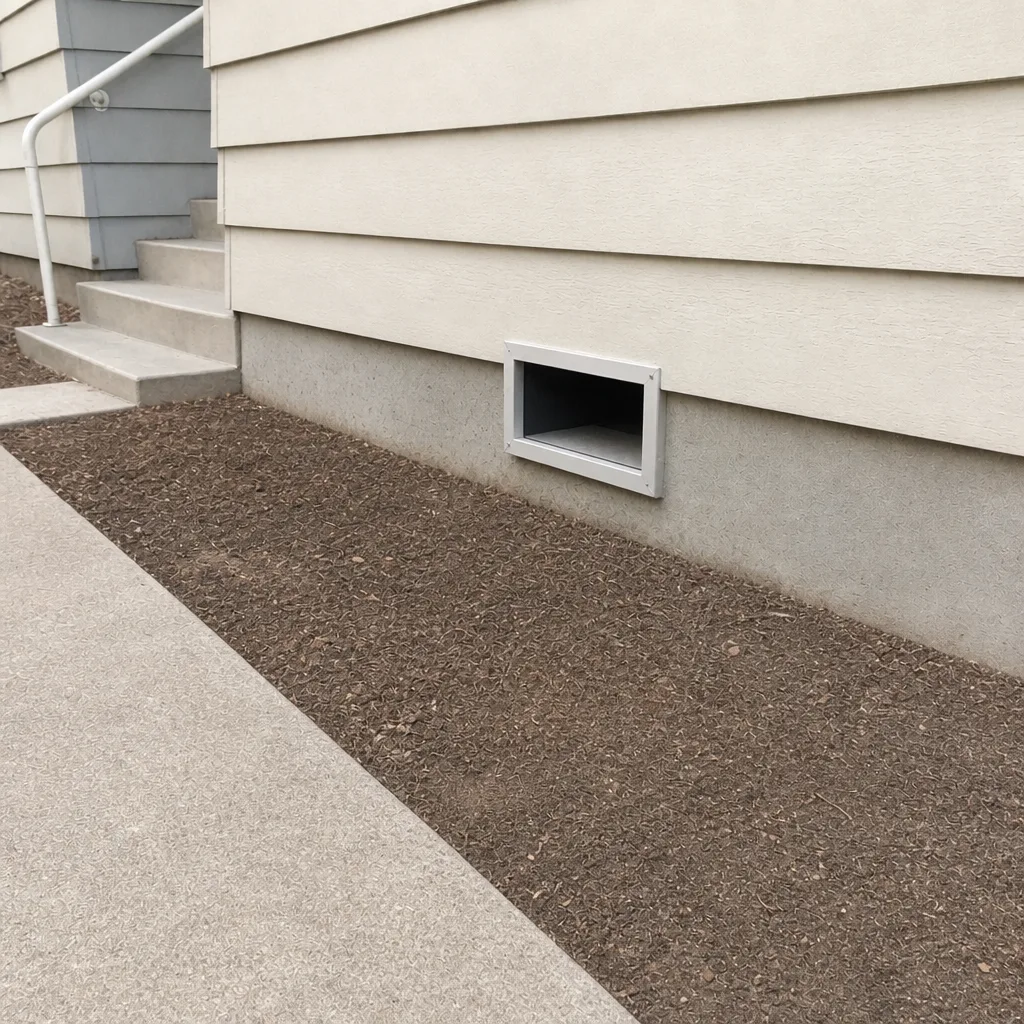 After
 Before
 After
 Before
 After
Frequently Asked Questions
For most Lakewood homes, once a year is the right interval, timed to the season that stresses your system hardest. Homes with pets, allergy sufferers, recent construction, or a history of rodent activity often benefit from a closer interval. The single most important appointment is the pre-heating-season inspection in early fall – that’s when the system has sat idle and problems are most likely to be found. Call (844) 914-0778 for an exact quote – estimates are free.
Spring combines two loads that arrive at the same time. The winter layer from furnace season is still sitting on duct walls when the first cooling run stirs it loose, and the outdoor load – cottonwood, mountain cedar, and construction dust – arrives through return air and envelope gaps at the same moment. That collision is why spring tends to show the most visible buildup in Lakewood duct systems.
Prices are set per system by a written estimate, not by the vent. A per-vent coupon price is the industry’s classic bait-and-switch, and it doesn’t reflect the real work of a thorough cleaning. Ask for one flat price per system agreed before work begins, and ask to see before-and-after photos of your own ducts. Call (844) 914-0778 for a free estimate.
Ask for before-and-after photos of your own ductwork – not stock photos, not a generic gallery. A reputable cleaning produces visual proof of what was removed and what it looked like inside. Combined with a flat price agreed beforehand and a walkthrough of what was found, that’s the transparency standard worth insisting on in Lakewood.
Yes. Air duct repair is one of our three core services, alongside air duct cleaning and dryer vent cleaning, so a compromised flex run or loose joint found during a cleaning can be diagnosed and fixed on the same visit. That saves you the second contractor call and the wait, which matters most in summer when a disconnected duct means a room that won’t cool.
Professional-grade equipment, not consumer tools. Rotary-brush systems like Rotobrush are designed to dislodge built-up debris from duct walls; HEPA-filtration vacuums like Nikro capture fine particulate at the source rather than redistributing it. Abatement Technologies equipment is used in contamination-level remediation contexts. Ask what equipment a company uses before you book – it’s the clearest signal of whether the work is real.
The Bottom Line
Duct care in Lakewood isn’t a single annual task. It’s a calendar. The highest-debris window is late winter into spring, when the winter layer gets stirred loose by the first cooling run. The most useful appointment of the year is the early-fall pre-heating inspection, before the furnace runs for the first time. Summer is when flex duct problems surface, and winter is when low humidity moves fine particulate through the house. Two professional appointments a year – spring and fall – cover most Lakewood homes, and a dryer vent check belongs on the same list as a genuine fire-safety matter. If it’s been more than a full heating and cooling cycle since the last cleaning, call (844) 914-0778. We answer 24/7. Fast dispatch from 7am to 7pm, Sunday through Friday. Estimates are free.
Written by the team at Lakewood Duct Cleaning.