
Last updated November 15, 2026
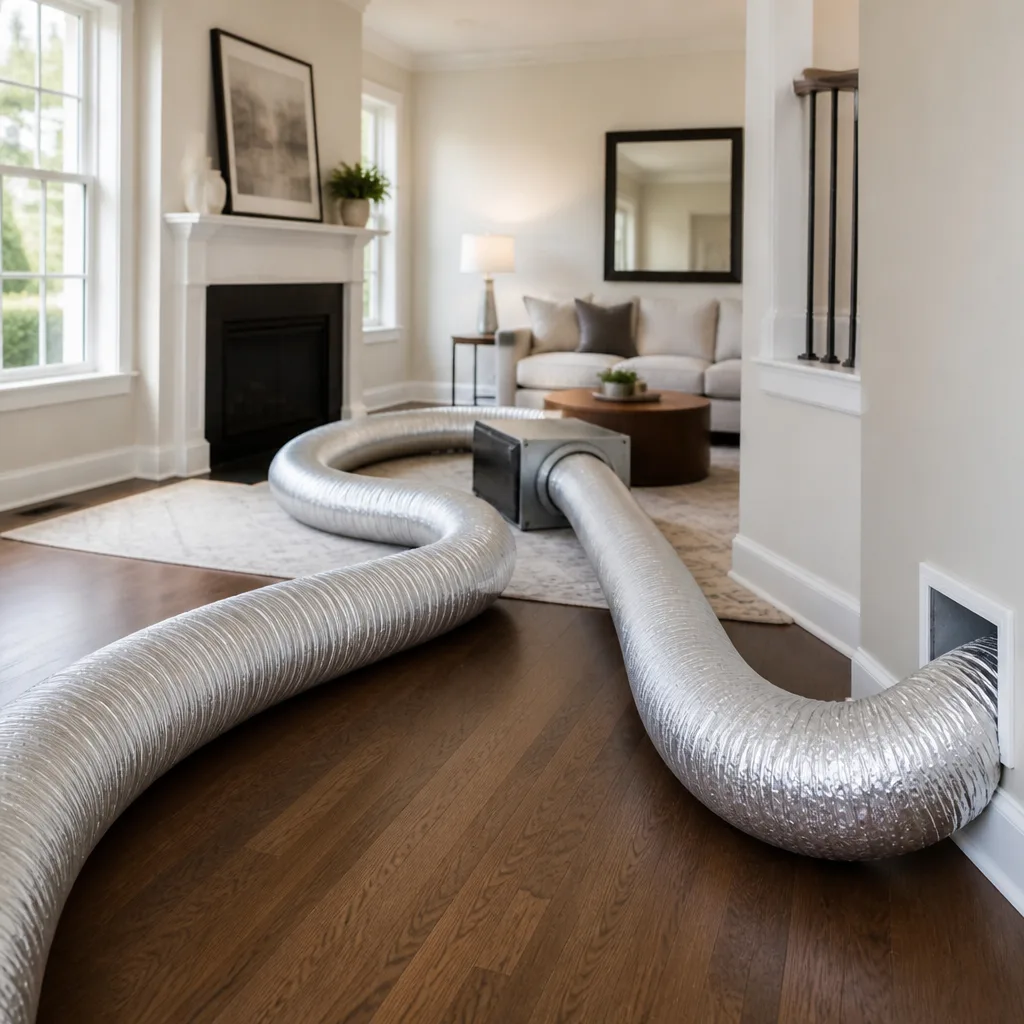 Whole-home duct cleaning
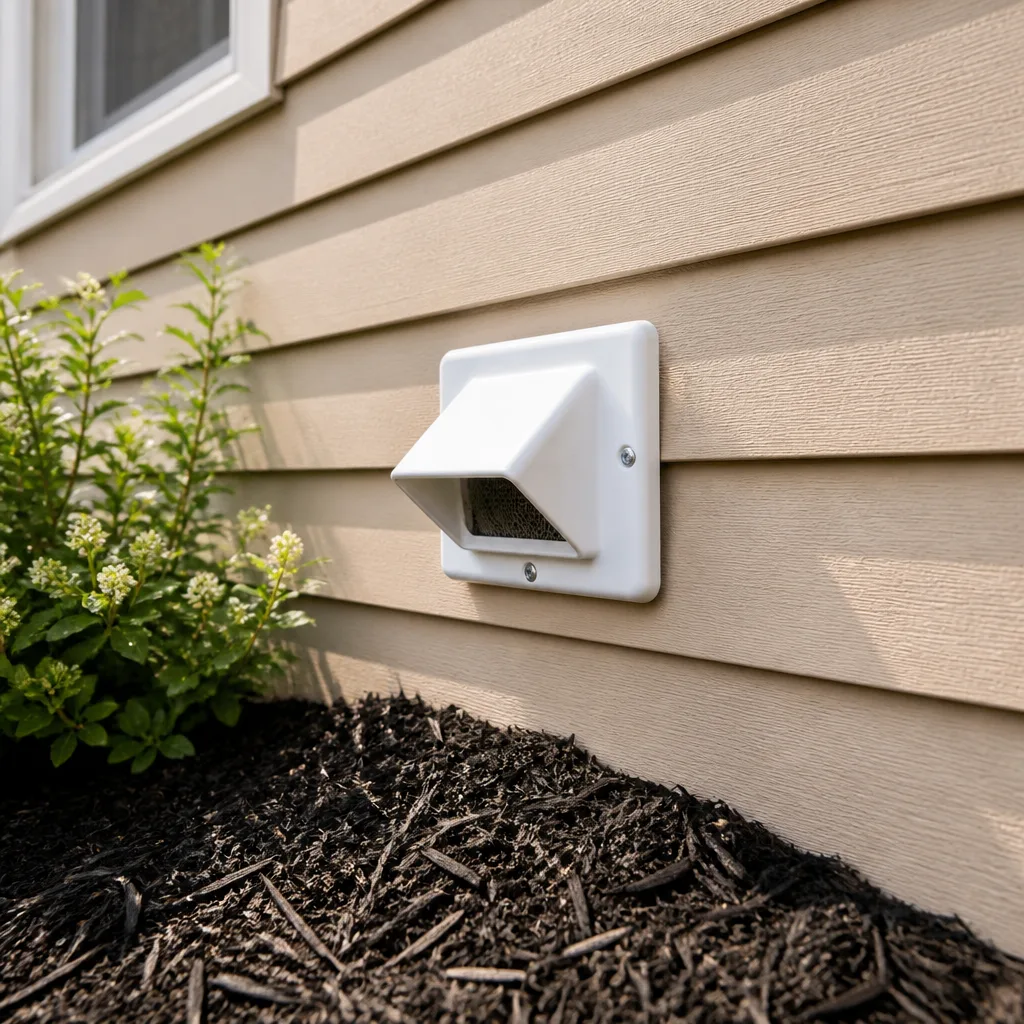 Dryer vent cleaning
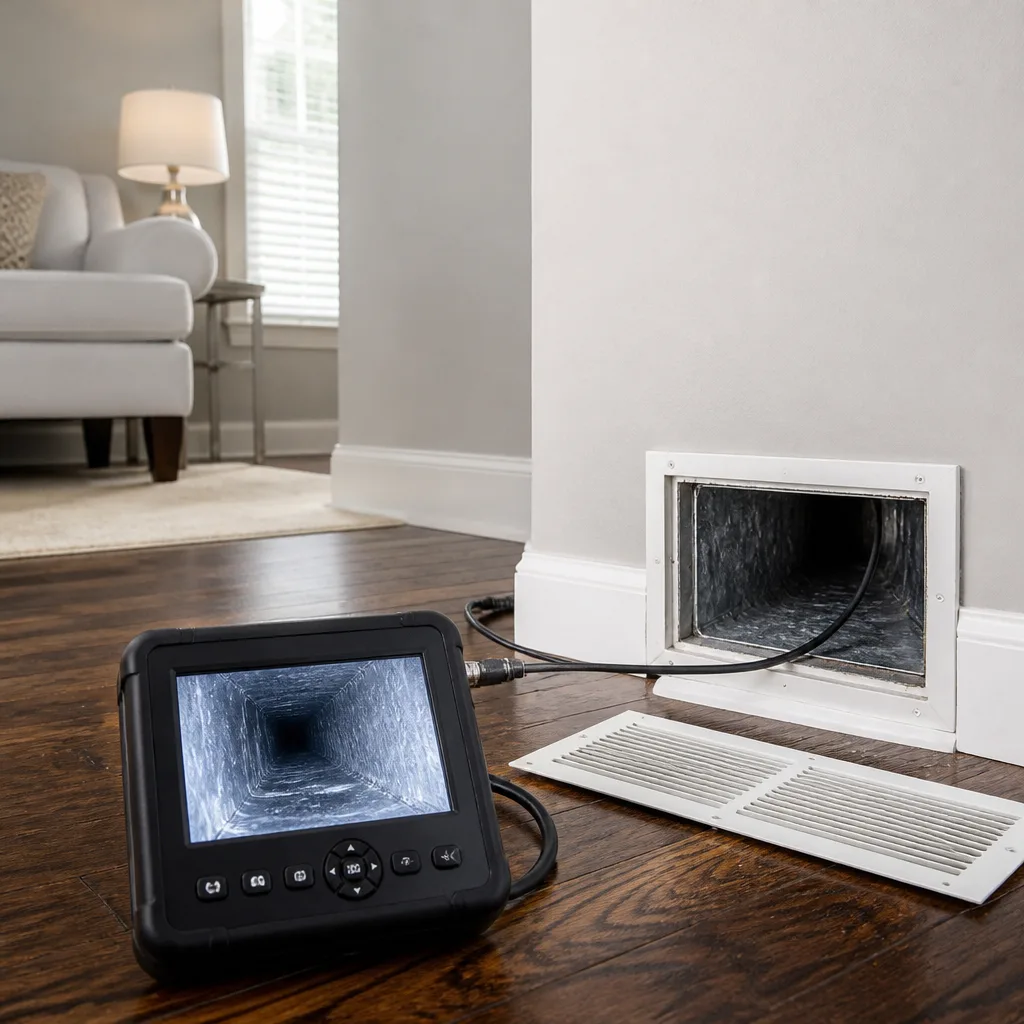 Camera inspection
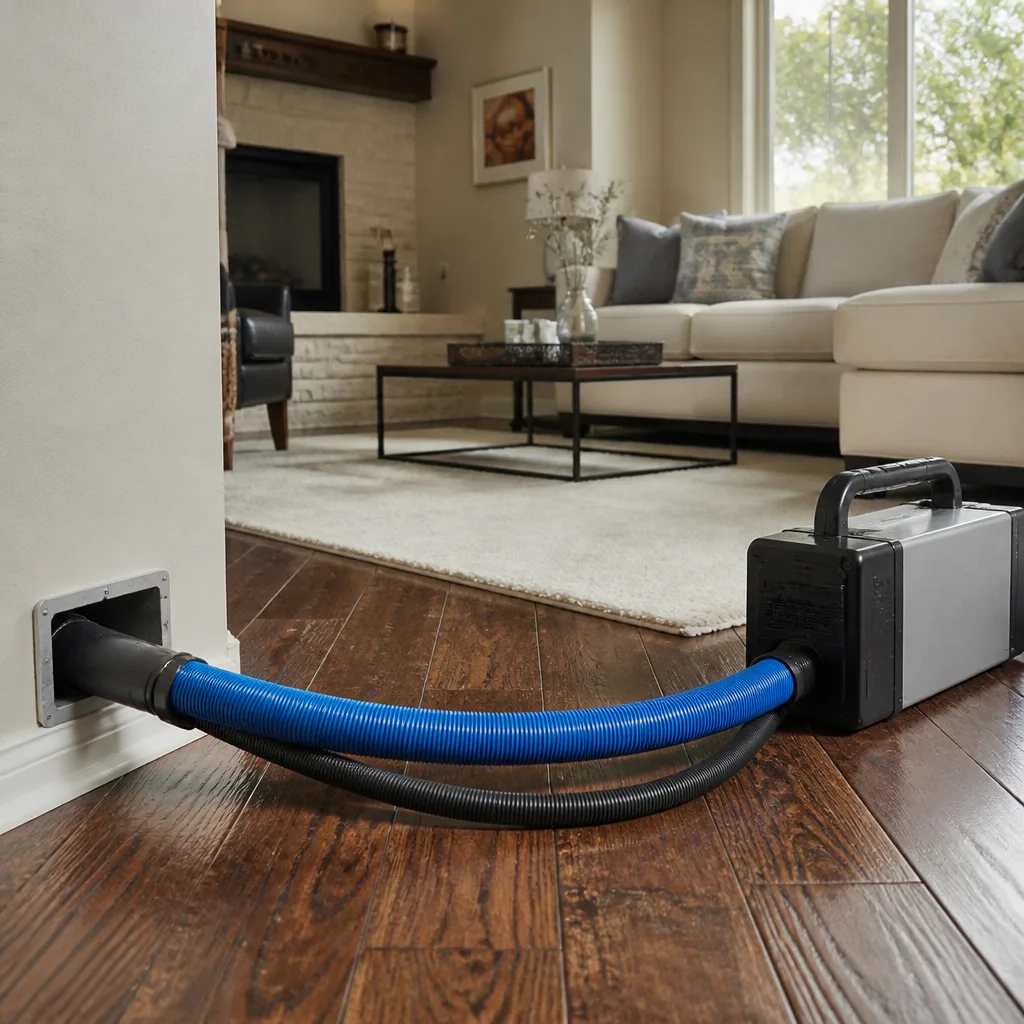 Sanitizing & deodorizing
Whole-system duct and dryer vent check with before-and-after photos - you see exactly what came out of your vents
That "$99 whole-house special" is a bait ad - the real number appears once they are in your hallway, or the "clean" is a shop-vac at the register. We photograph the inside of your ducts before and after instead.
Air Duct Cleaning Maintenance Schedule: What to Do and When
Most homeowners searching for a duct cleaning schedule run into the same piece of advice: clean every three to five years. That number gets repeated everywhere, and it’s not wrong so much as it’s incomplete. It was never built to account for high-altitude dust loads, wildfire smoke pushing through the Front Range, or a house built before modern duct sealing standards became common. A Lakewood home from the 1960s and a new build in a subdivision don’t collect contamination at the same rate, so treating them on the same schedule wastes money on one and leaves the other under-serviced. What follows is a framework for building an interval around your actual house, your habits, and the conditions here. You’ll learn the risk factors that should move your timeline, the tasks that belong to you between professional visits, and how to keep a log that makes every future inspection faster.
Quick Answer
For most Lakewood homes, a professional air duct cleaning every three to five years is a reasonable baseline, but that interval should shorten to every two to three years if you have pets, have done recent renovation work, run your HVAC heavily, or have experienced wildfire smoke intrusion. Homes built before 1990 often need the shorter end of that range because older duct systems tend to have more leakage and looser joints. A maintenance cleaning and a remediation cleaning are different jobs and shouldn’t be scheduled on the same clock.
Styles & brands we work with
- Whole-home duct cleaning
- Dryer vent cleaning
- Camera inspection
- Sanitizing & deodorizing
Table of Contents
- Why a Universal “Clean Every 3-5 Years” Rule Falls Short
- The Four Risk Factors That Should Set Your Interval
- How Lakewood’s Housing Stock Changes the Baseline
- What Homeowners Should Do Between Professional Cleanings
- Maintenance Cleaning vs. Remediation Cleaning
- Building an Inspection Log That Actually Helps
- A Seasonal Calendar for Lakewood Homes
- Common Mistakes to Avoid
Why a Universal “Clean Every 3-5 Years” Rule Falls Short
The three-to-five-year figure circulates because it’s defensible for an average house in an average climate with average habits. That average doesn’t describe much of Lakewood. Sitting at elevation along the Front Range, this area takes on a different dust load than a lowland city, and the seasonal wildfire smoke that drifts over the metro during summer and early fall leaves fine particulate inside return-air systems. Neither factor shows up in the general guidance most people read.
Construction era matters just as much. Duct systems installed before the 1990s were often assembled with techniques and materials that leak more than modern equivalents. Sealed, tight ductwork holds less debris in the first place and keeps it moving through the filter where it belongs. A loose-jointed system from decades ago captures dust along seams and turns the ducts themselves into a collection surface. That’s why a Lakewood home in a neighborhood like Estes or Westland might need attention on a shorter clock than a newer build a few miles away.
Usage patterns drive the rest. A home where the furnace and air conditioner run hard through a long heating season moves far more air through the duct system than a home that uses windows and space heaters. Every cubic foot of air carries dust, and more air volume means faster accumulation.
A useful schedule treats the universal rule as a starting point, then adjusts. Here’s the practical way to think about it:
- The 3-5 year figure is an average. It assumes average dust, average usage, average construction quality.
- Lakewood sits above average on dust and smoke. That alone argues for the middle or lower end of the range.
- Construction era narrows it further. Pre-1990 ductwork typically warrants the shorter end.
- Individual habits can push it either direction. Pets, renovation, and run time decide the rest.
If your house matches several of these factors, the honest answer for your address might be closer to every two years. If it matches none of them, four to five years may be fine. The next section breaks down how to score your own home.
The Four Risk Factors That Should Set Your Interval
The most useful maintenance schedule is built around four variables that actually correlate with how fast a duct system accumulates contamination. We’ve walked through enough Lakewood homes to see the same patterns repeat, so here’s how to weigh each one against your own situation.
1. Pets
A household with one dog sheds considerably less hair and dander than a home with two large dogs, and a home with cats adds a different kind of load. Pet dander is fine, sticky, and it clings to duct walls rather than blowing straight through to the filter. If you keep pets indoors and run your HVAC through the seasons, shorten your interval by roughly a year from whatever your construction-era baseline suggests. Long-haired animals and multiple pets push it further.
2. Renovation activity
Sanding, drywall work, and demolition throw fine particulate into the air in volumes a filter can’t manage. If you’ve remodeled a kitchen or finished a basement in the last two years, the ducts in that area have taken on more debris than usual, and it hasn’t all settled in the same places. A cleaning after the dust settles from a major project is worth paying for, even if your regular interval hasn’t come due. Ongoing smaller projects lengthen the shadow: treat renovation as an event that resets your clock, not a constant.
3. Wildfire smoke events
Front Range summers and early falls have brought repeated smoke events in recent years. Fine smoke particulate is small enough to work past many filters and settle inside ductwork, particularly in return-air runs. If a particular season brought weeks of visible smoke and haze, that’s a reason to move your next cleaning up rather than wait for the standard interval. Homes near open space or upslope from major fire corridors tend to see more of this.
4. HVAC run time per year
Elevation and long heating seasons mean the average Lakewood furnace runs more hours annually than equipment in many parts of the country. More run time equals more total air volume moved through the duct system, and more air equals more dust delivered. A home where the furnace and AC run nearly year-round accumulates faster than one where the equipment sits idle for months.
Add up how many of these factors apply to your home:
- No pets, no recent renovation, light HVAC use, no notable smoke exposure. Four to five years is defensible.
- One or two factors apply. Three years is realistic.
- Three or four factors apply. Two years, or even annually if pets, renovation, and heavy run time overlap.
- Any documented contamination event (a fire, major water intrusion, visible mold at a register). This becomes a remediation decision, not a schedule decision.
Our technicians have up to 9 years of experience scoring homes exactly this way, and the answer usually lands within a year of where the homeowner assumed they were. If you’re unsure which category fits, an inspection settles it quickly.
How Lakewood’s Housing Stock Changes the Baseline
Lakewood’s housing runs in distinct age bands, and each band carries a different baseline interval. Older neighborhoods like Estes and Belmar contain a meaningful share of mid-century homes where duct systems went in decades ago. In those homes, duct leakage and joint gaps are more common, and the seams that catch dust are often the ones nobody looks at. The result is a baseline closer to three years than five, and often closer to two if pets or renovation are in the mix.
Newer construction, particularly in the western parts of Lakewood and newer subdivisions, tends to feature sealed ductwork and tighter assemblies. Those systems start cleaner and stay cleaner, so a four-year baseline is more defensible. The homes that sit between the two extremes, built from roughly the 1990s onward, usually land in the middle: three to four years.
The environmental picture adds a layer. Lakewood sees heavy seasonal dust from wind and nearby open ground, and wildfire smoke intrusion during fire season. Both push accumulation faster than the age of the house alone would predict. A house built in 2005 without pets and without renovation may still see dust build up on a three-year clock because of what’s in the air outside.
Here’s how to set a starting baseline for your home’s era:
- Pre-1970: Three years baseline. Adjust down to two for pets, renovation, or heavy HVAC use.
- 1970 to 1990: Three to four years baseline. Older joint work matters here.
- 1990 to 2010: Four years baseline. Adjust down for the four risk factors above.
- Post-2010: Four to five years baseline. Still adjust for pets and renovation.
The baseline is a starting point, not a floor. A pre-1990 home in Estes without pets and without remodeling can stretch toward four years if the ducts are sealed tight and the filters are changed on schedule. The clock ticks faster when the house isn’t holding up its end of the bargain. If a walk-through inspection shows gaps or leaks at accessible joints, an air duct cleaning often pairs with a repair visit to close off the entry points.
What Homeowners Should Do Between Professional Cleanings
The professional cleaning is a checkpoint, not a full-time solution. The work you do between visits determines how clean the ducts stay. Here’s what belongs on your own schedule.
Filter replacement on a set schedule
Change or clean your furnace and air handler filter according to the manufacturer’s recommendation for your filter type, and check it monthly during heavy-use seasons. A dirty filter restricts airflow and forces the system to work harder, and once it’s saturated, dust bypasses the filter and lands in the ducts instead. Note the change date on the filter frame or in your log so you’re not guessing. A filter that reaches its replacement point earlier than expected is a signal that something in your system or home is generating more particulate than usual.
Grille and register inspection
Every few months, take a look at the supply and return grilles throughout your home. Dust on the exterior is normal and can be wiped or vacuumed away, but dust accumulating inside the grille housing or on the fins behind it tells you something is getting past. A grille that shows a visible coating of dark or crusty buildup after a short period is worth flagging for a professional inspection. Drapery, furniture, and rugs near returns also deserve a look; blockage there redirects airflow and changes where dust settles.
Visual checks at accessible joints
Wherever ductwork is exposed (basement ceilings, mechanical closets, garage chases), look at the joints and seams. Disconnected joints, visible tape peeling away, or dust plumes at a gap are all signs that air is leaking from the system. Leaking ducts draw dust from the surrounding space into the airflow path. Note what you see and where. Don’t attempt to seal or repair joints yourself unless you’re confident in the materials and methods, because foil tape and mastic applied over improperly prepped duct surfaces tend to fail quickly.
Dryer vent awareness
While this isn’t part of the duct system the furnace uses, the dryer vent is the other major air pathway in the house, and it needs its own schedule. Check the outside vent flap periodically to make sure it opens and closes freely, and confirm the outside vent shows airflow when the dryer runs. If your dryer takes noticeably longer than it used to, or the unit runs hot to the touch, the vent likely needs attention. dryer vent cleaning is a core service for us because lint accumulation is a leading cause of residential fires. We run this as its own scheduled visit, not an afterthought bolted onto a duct job.
Maintenance Cleaning vs. Remediation Cleaning
The single biggest source of overspending and underservicing we encounter is confusion between these two jobs. They use different equipment, address different contamination levels, and are scheduled on different clocks. Getting them straight is worth a few minutes of your time.
Maintenance cleaning
A maintenance cleaning is the routine, scheduled job you’ve been thinking about throughout this guide. The goal is to remove accumulated dust and debris from a duct system that’s otherwise functioning normally. A rotary-brush cleaning head dislodges dust from the duct walls, and a HEPA-filtration vacuum captures the loosened material at the source rather than redistributing it through your home. The job is scheduled on the intervals we’ve outlined above and is typically completed in a single visit using professional-grade equipment. Our Rotobrush system and Nikro HEPA vacuum fall into this category.
Remediation cleaning
A remediation cleaning addresses contamination beyond routine dust. Visible mold growth inside ducts, water intrusion from a roof leak or plumbing failure, pest infestation, or significant smoke or fire residue after a house fire all fall into this category. Remediation uses different equipment and containment practices, takes longer, and typically requires follow-up inspection to confirm the problem is resolved. We use Abatement Technologies equipment for these jobs, which is built for contaminant-level work rather than routine dust removal. If your inspection turns up conditions that need remediation, this isn’t the visit where you ask for a standard cleaning; it’s a different conversation.
Why does the distinction matter for scheduling?
- Overspending: Requesting remediation pricing for a routine maintenance job wastes money. If a company sells you remediation on a system that only needs maintenance, ask what conditions justify it.
- Underservicing: Booking a maintenance cleaning on a system that has visible mold or water damage wastes the visit. The technician can clean, but the underlying problem isn’t solved.
- Warranty and insurance: Some remediation events interact with homeowner’s insurance. Booking the wrong job type can complicate a claim.
When in doubt, ask for an inspection before you book. A walk-through with the right equipment shows what you’re actually dealing with.
Building an Inspection Log That Actually Helps
Most homeowners walk into a duct cleaning appointment with no history. The technician is starting from zero, trying to read thirty years of accumulation from what’s visible that day. A simple log makes every future visit faster and more accurate, and it’s a five-minute habit.
What to log
Keep a single notebook or a document on your phone. Log these items:
- Dates of professional cleanings. Note the company, the scope of work, and any observations the technician made.
- Filter changes. Date, filter type or model, and any notes about how quickly the filter loaded up.
- Grille observations. Date and a one-line description of what you saw at supply and return grilles. “Return in hallway showing light dust film after two months” is fine.
- Renovation events. Start and end dates of any project that generated dust. This is the single most useful entry for setting your next interval.
- Smoke events that affected your home. Note the month and the severity you observed (visible haze indoors, smoky smell, etc.).
- Repairs or modifications to ductwork. Any repair, added run, or rerouted duct should be logged with the date and what changed.
Why it helps
The log does three things a technician can’t do themselves. It establishes your actual accumulation rate so the next cleaning can be scheduled around reality instead of a guess. It flags systems that need attention sooner than expected, which often points to a leak or a filter problem worth diagnosing. And it gives the technician a running history they can use to make specific recommendations rather than general ones.
One note on what not to log: skip the vague “seemed dirty” entries. A specific observation each time, even a short one, is more useful than a series of guesses. If a visual log shows your returns consistently loading up faster than your neighbor’s house of the same age, that’s information worth acting on.
A Seasonal Calendar for Lakewood Homes
Laying the schedule on a calendar makes it easier to actually do. Here’s how the work spreads across a year in a Lakewood house.
- Late winter or early spring: Filter change, walk-through inspection of accessible joints, grille clean-up. This is a good time to schedule a professional cleaning if your interval has come due, before spring allergy season and before summer AC use.
- Late spring: Confirm the outside condenser is clear of debris, change the filter ahead of cooling season, and check grille cleanliness as AC starts running.
- Summer: Monitor for smoke events. If wildfire smoke reaches your area for extended periods, log the dates. Change the filter more often during smoky weeks.
- Early fall: Pre-heating-season filter change, visual inspection of the furnace and accessible duct runs, and a check of all registers before the furnace starts running regularly.
- Late fall or early winter: Change the filter again as heating starts. If you’re due for a professional cleaning, book it before the heating season’s heavy weeks rather than during them.
- Dryer vent: Check the exterior vent flap at least seasonally, and book a professional dryer vent cleaning on a schedule that matches your laundry volume and dryer type.
The calendar is a framework, not a rigid sequence. Renovation, pets, or a heavy smoke season can compress it. But it gives the work a rhythm instead of a scramble.
Common Mistakes to Avoid
- Treating the “3-5 years” figure as a rule for every house. It’s an average. A Lakewood home with two dogs, an old furnace, and pre-1990 ductwork is on a different clock than a new build a few miles away, and treating both the same wastes money or misses the problem.
- Booking a remediation cleaning when a maintenance cleaning would do. If a technician shows up quoting remediation pricing without a clear inspection-based reason (visible mold, water intrusion, pest evidence), ask what condition justifies it. Conversely, don’t book a maintenance cleaning on a system with visible contamination and expect the issue to be resolved.
- Skipping filter changes between professional visits. A dirty filter is the fastest way to shorten your interval, because it lets dust bypass into the ducts. Change the filter on schedule, and log it.
- Assuming a “duct cleaning” is enough without checking the dryer vent. Dryer vent maintenance is a separate schedule and a separate fire-safety item. Homes that schedule duct cleanings regularly sometimes go years without a dryer vent check.
- Ignoring returning dust beyond a normal level. If grilles in particular areas of the house load up faster than elsewhere, that pattern points to a leak or a duct design issue worth diagnosing rather than just cleaning around.
- Hiring based on the lowest quote without asking about equipment. Professional-grade rotary-brush equipment and a HEPA-filtered vacuum produce different results than a shop vac and a brush. Ask what will actually be used in your home.
- Not keeping any record of the work. Starting from zero at every visit means every technician works harder to figure out what your house needs. A simple log fixes that.
See the difference
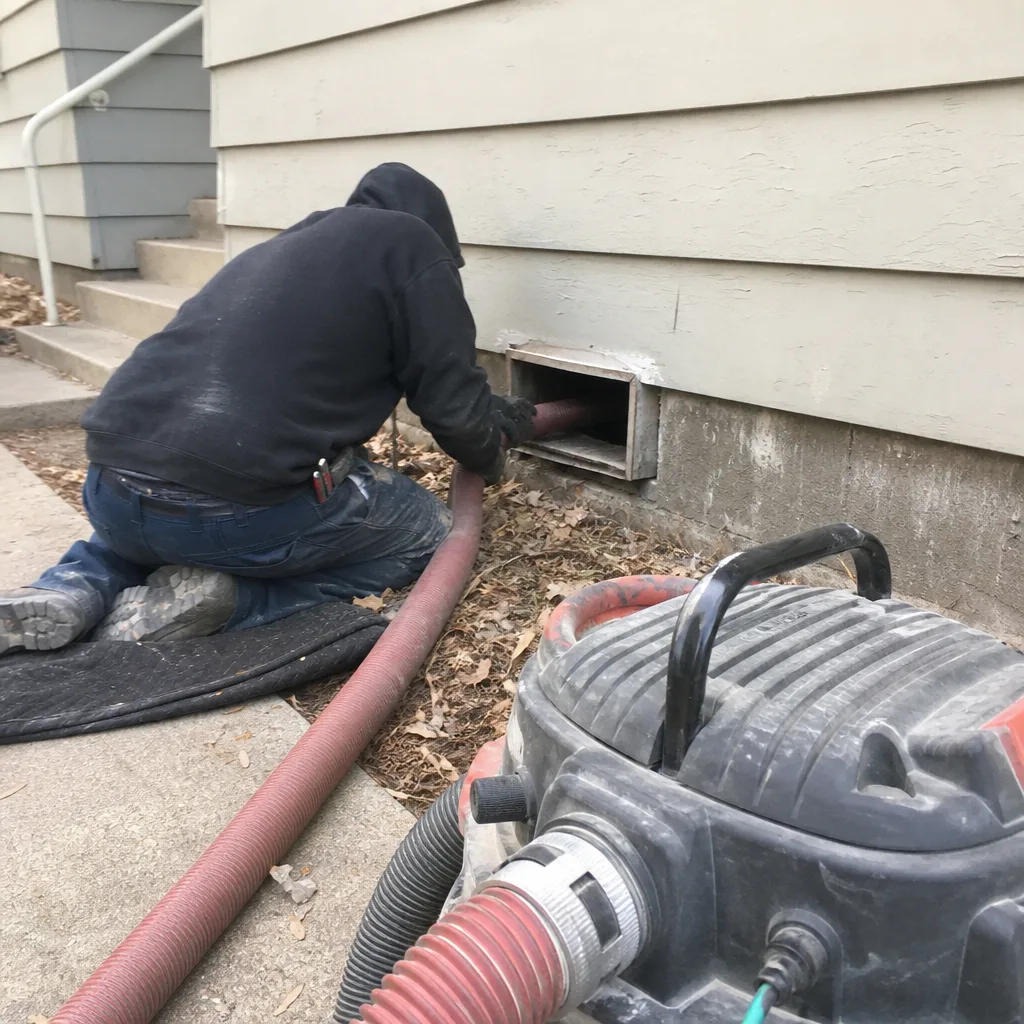 Before
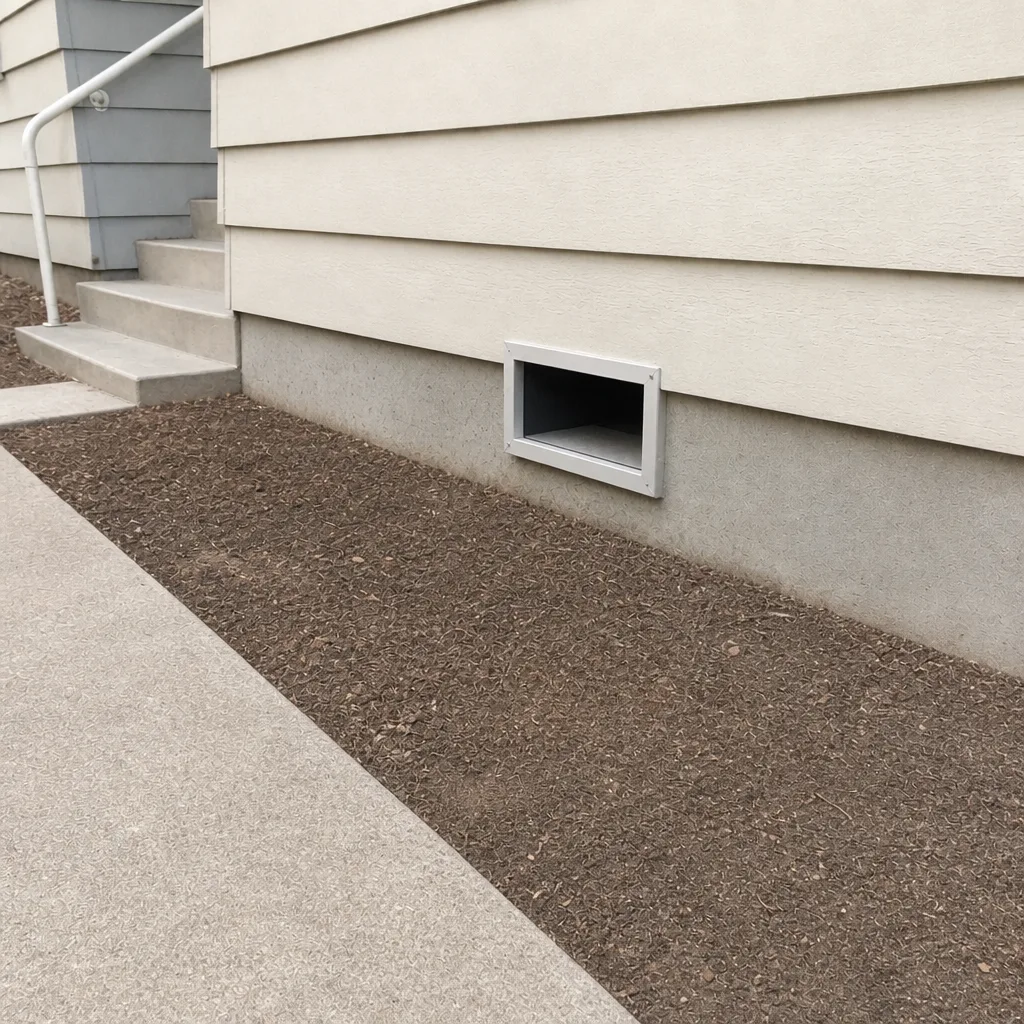 After
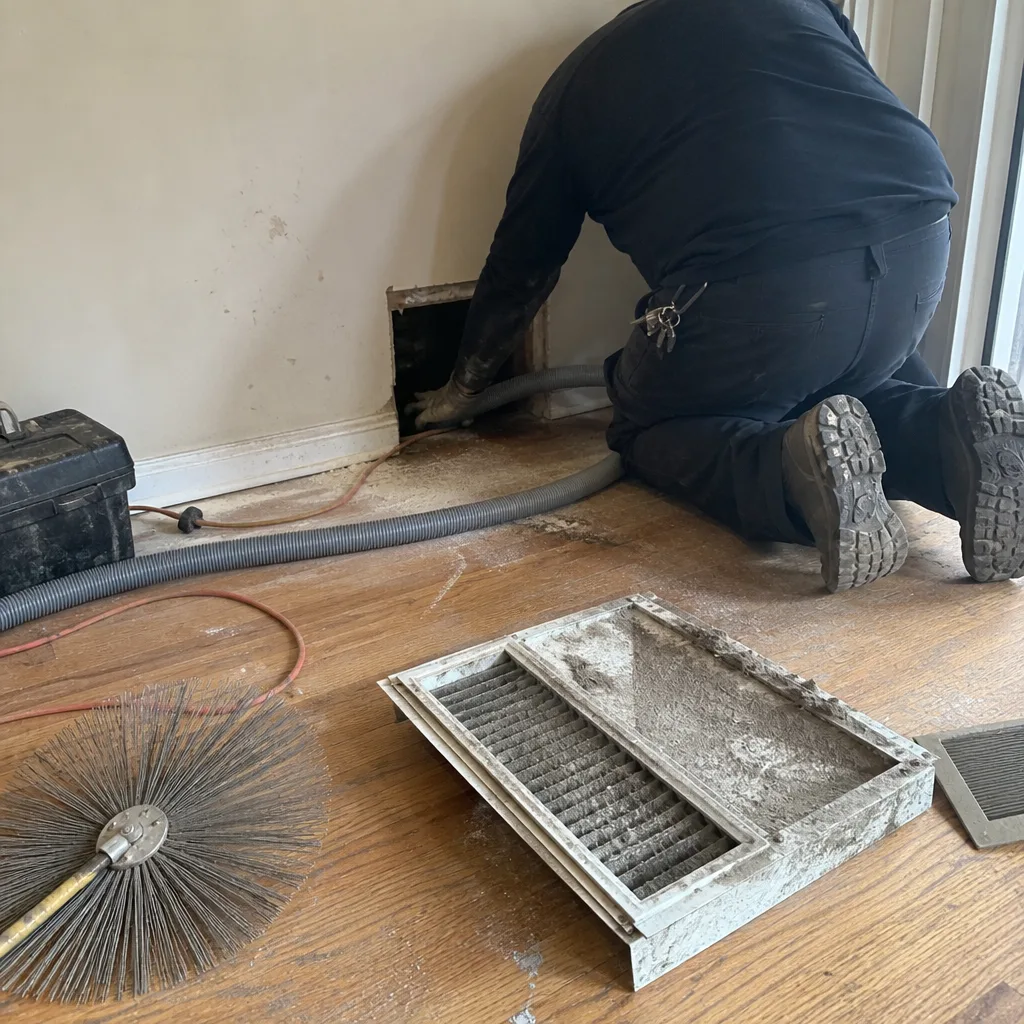 Before
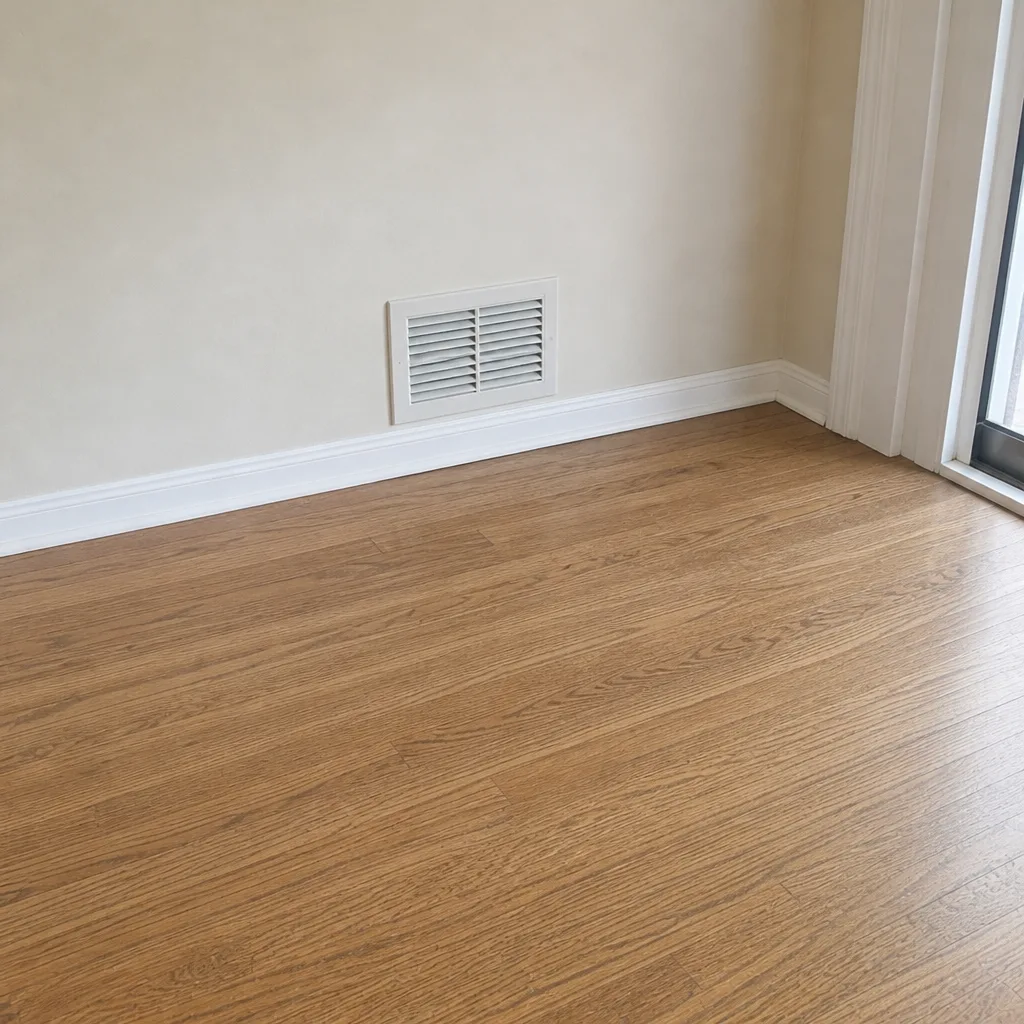 After
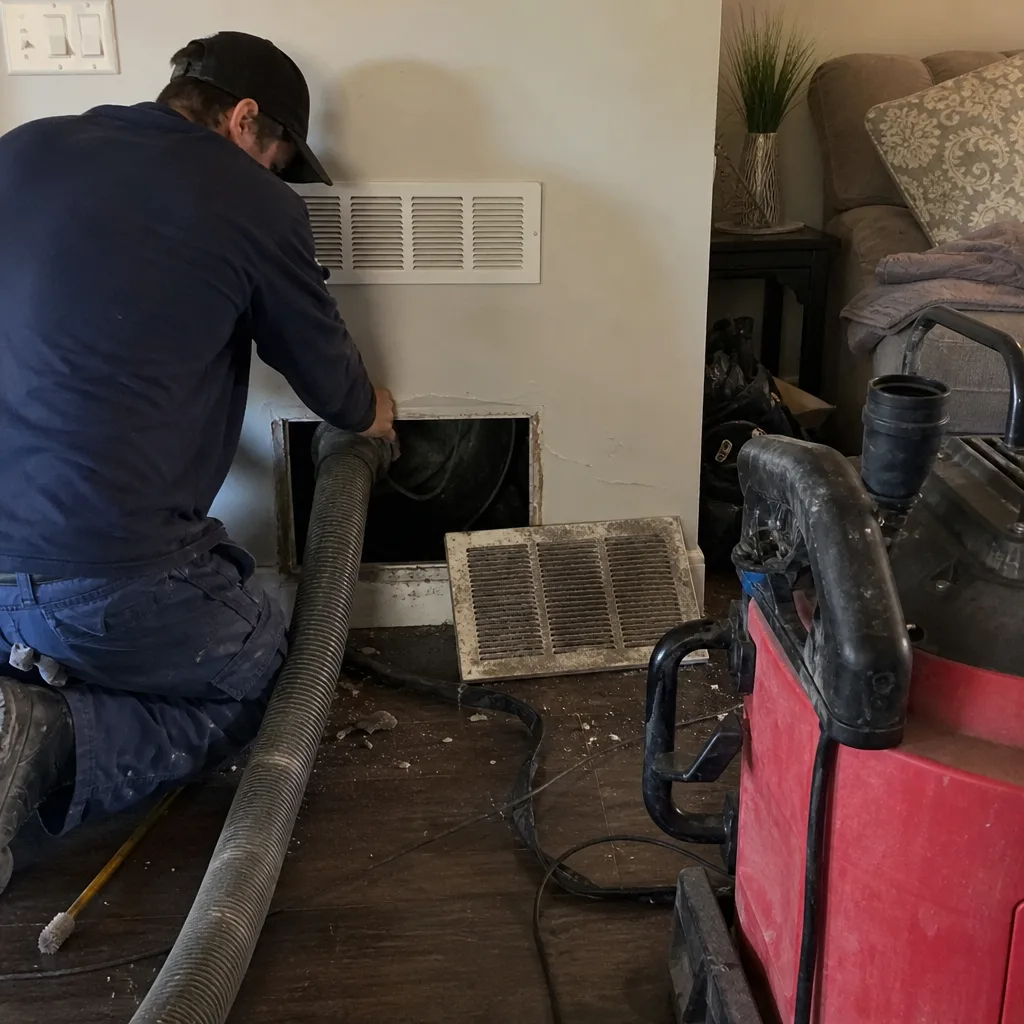 Before
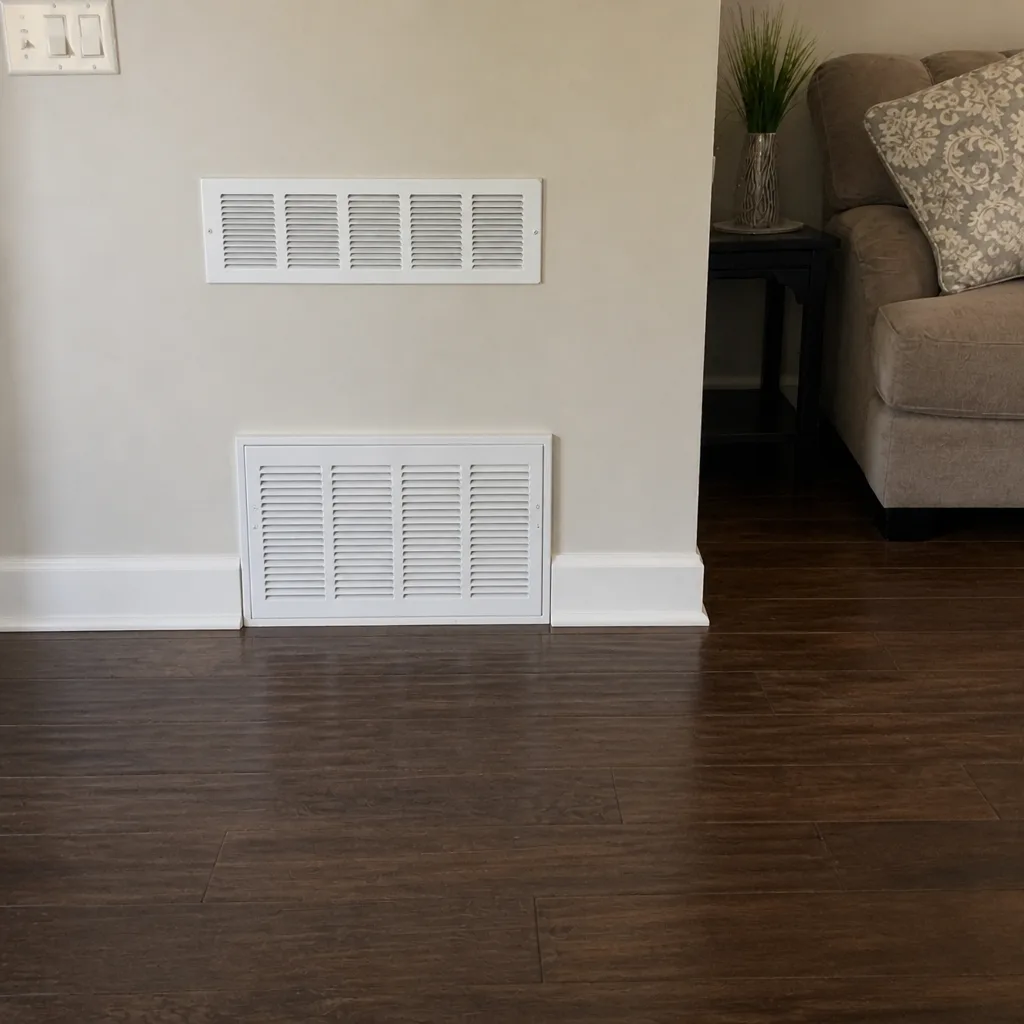 After
When to Call a Professional
Call for an inspection whenever you can’t tell whether a routine cleaning is due or a specific problem needs attention. Specific situations that warrant a call: grilles showing visible dark debris or a sticky film after cleaning; a persistent musty or smoky smell from the system when the HVAC turns on; visible dust plumes at duct joints; recent renovation of a kitchen or basement; smoke intrusion from a wildfire season that lingered indoors; a dryer that runs noticeably hotter or takes longer than it used to; visible mold growth around a register; and a recent home purchase where the previous owner’s maintenance history is unknown. Any of these is worth a walk-through before scheduling work.
Lakewood Duct Cleaning offers free estimates in Lakewood and the surrounding area. Call (844) 914-0778 for a free estimate. We answer 24/7. Fast dispatch from 7am to 7pm, Sunday through Friday. A call outside dispatch hours is booked into the next opening. Our technicians have up to 9 years of experience, and we work with the equipment different jobs actually need, including Lakewood Duct Cleaning service on systems built around Honeywell and Aprilaire components.
Frequently Asked Questions
Every three to five years is a typical baseline for Lakewood homes, with that interval shortening toward two or three years when pets, renovation activity, heavy HVAC run time, or wildfire smoke events are part of the picture. Pre-1990 homes tend to need the shorter end of the range because older duct systems have more leakage and looser joints. Book a walk-through inspection if you’re not sure where your house falls. Call (844) 914-0778 for an exact quote; estimates are free.
Costs vary with the size of the home, the number of systems, accessibility, and whether repairs are needed. Because pricing is set per job by a written estimate, you’ll know the number before any work starts. We give one flat price per system, not a per-vent rate, and we show before-and-after photos of your own ducts at the end of the visit. Call (844) 914-0778 for a free estimate.
Cheap quotes usually reflect cheaper equipment: shop-vac-style vacuums, no rotary-brush agitation, or a price that’s a teaser for a much larger bill once the technician is inside. Professional-grade equipment like a rotary-brush system and a HEPA-filtered vacuum costs more to operate, and that shows up in the quote. Ask what equipment will be used in your home before you book. Call (844) 914-0778 if you want to talk through what a realistic quote looks like.
Before-and-after photos of your own ducts are the clearest proof, and any professional outfit will provide them without being asked. Ask to see the filter and the vacuum setup, and ask the technician to walk you through what they found. A written summary of the work performed is standard practice; if it isn’t offered, ask for one. Call (844) 914-0778 to schedule an inspection.
Dryer vent cleaning intervals depend on laundry volume, dryer type, and vent length, but most homes need attention every one to three years, and homes with long vent runs or heavy laundry volume should sit at the shorter end. Check the outside vent flap seasonally and watch for a dryer that takes longer than it used to or runs hot. Call (844) 914-0778 to book a dryer vent cleaning.
Maintenance cleaning removes routine dust and debris from a working duct system; remediation cleaning addresses contamination-level conditions like visible mold, water intrusion, pest evidence, or significant smoke residue. The first is scheduled on an interval, the second is booked after an inspection identifies a specific problem. Some homes need remediation once and maintenance afterward. Call (844) 914-0778 to book an inspection that will tell you which one applies.
The Bottom Line
The most useful duct cleaning schedule is one written around your specific house: its construction era, its pets, its renovation history, its HVAC run time, and the smoke and dust conditions here. A universal three-to-five-year rule is a starting point, and pre-1990 homes in neighborhoods like Estes, Belmar, and Westland typically warrant the shorter end of that range. Keeping a simple inspection log, changing the filter on schedule, and checking grilles and accessible joints between professional visits will extend the useful life of every cleaning. Don’t forget the dryer vent, which has its own schedule and its own safety role. Book your free estimate and we’ll help you build a schedule that fits your home, not a brochure.
Call (844) 914-0778 for a free estimate. We answer 24/7. Fast dispatch from 7am to 7pm, Sunday through Friday.
Written by the team at Lakewood Duct Cleaning.