
Last updated November 15, 2026
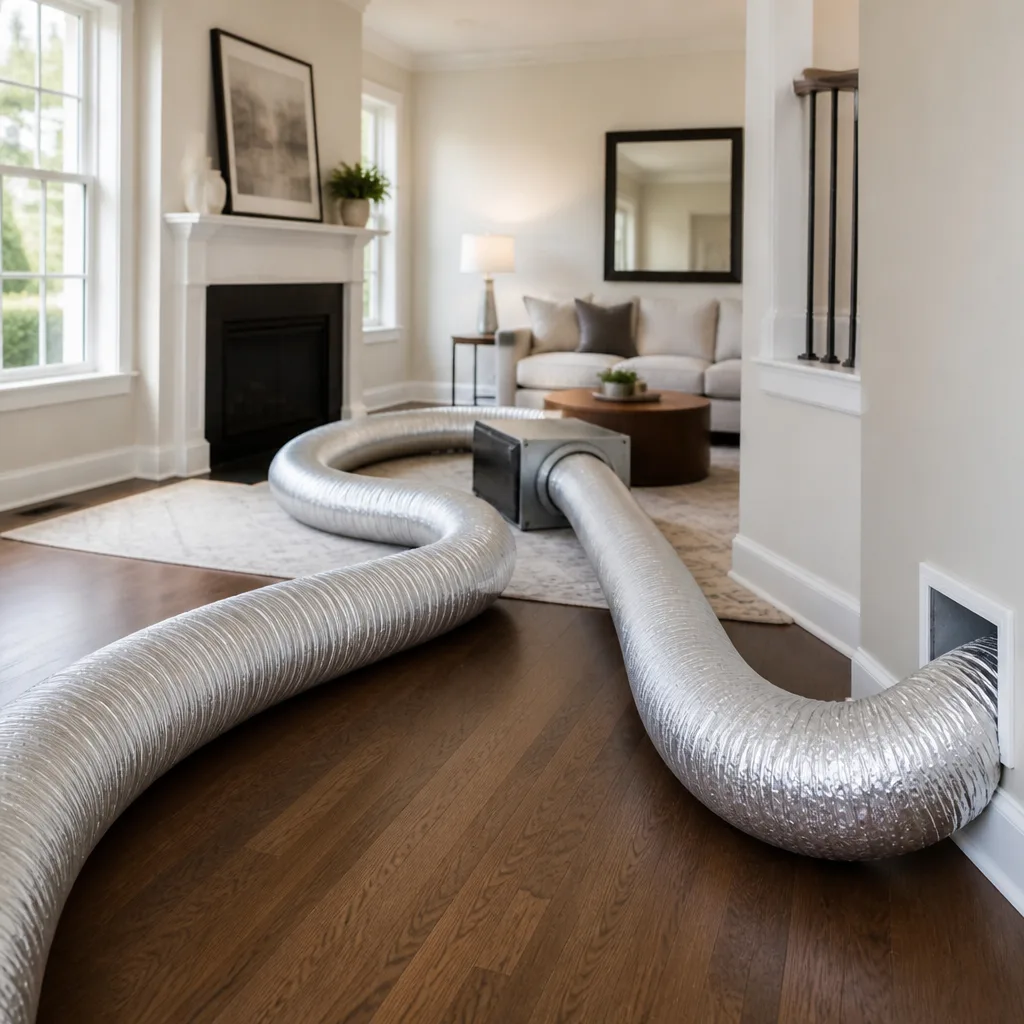 Whole-home duct cleaning
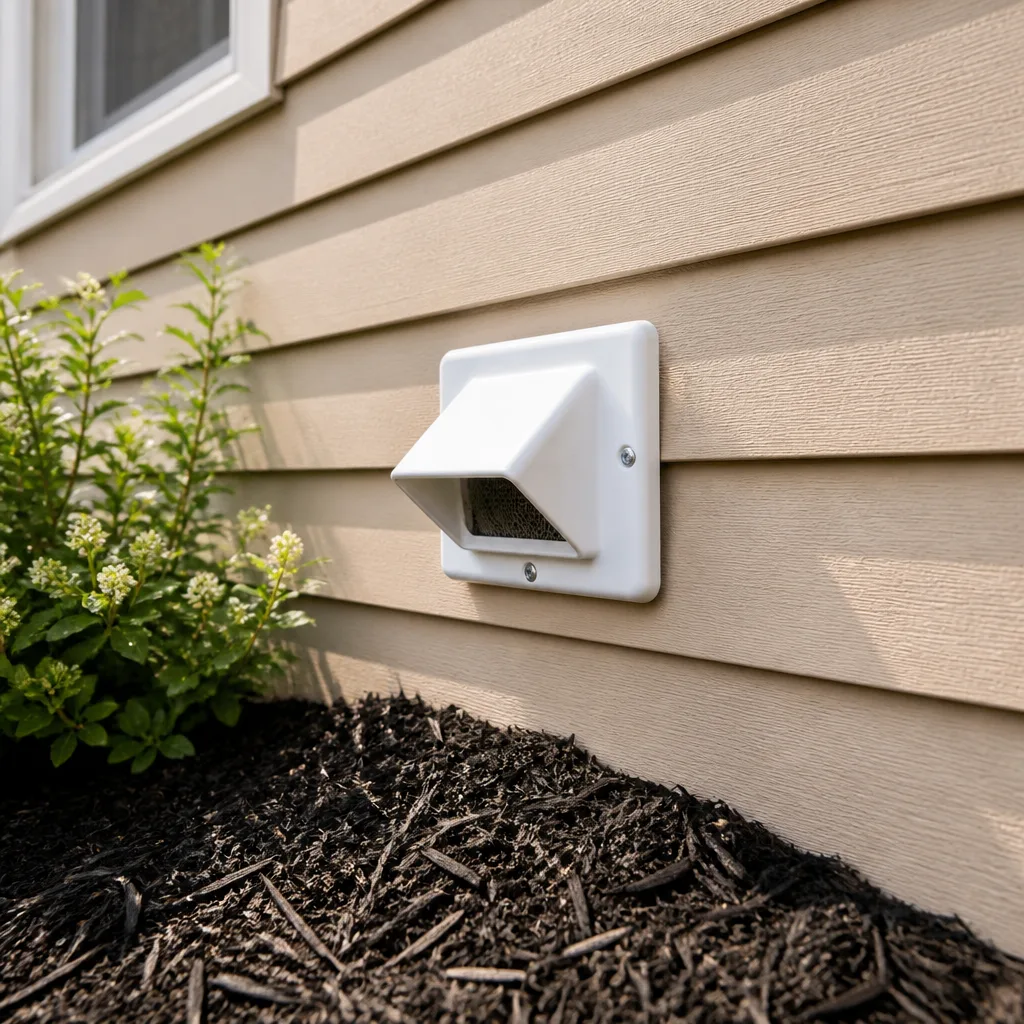 Dryer vent cleaning
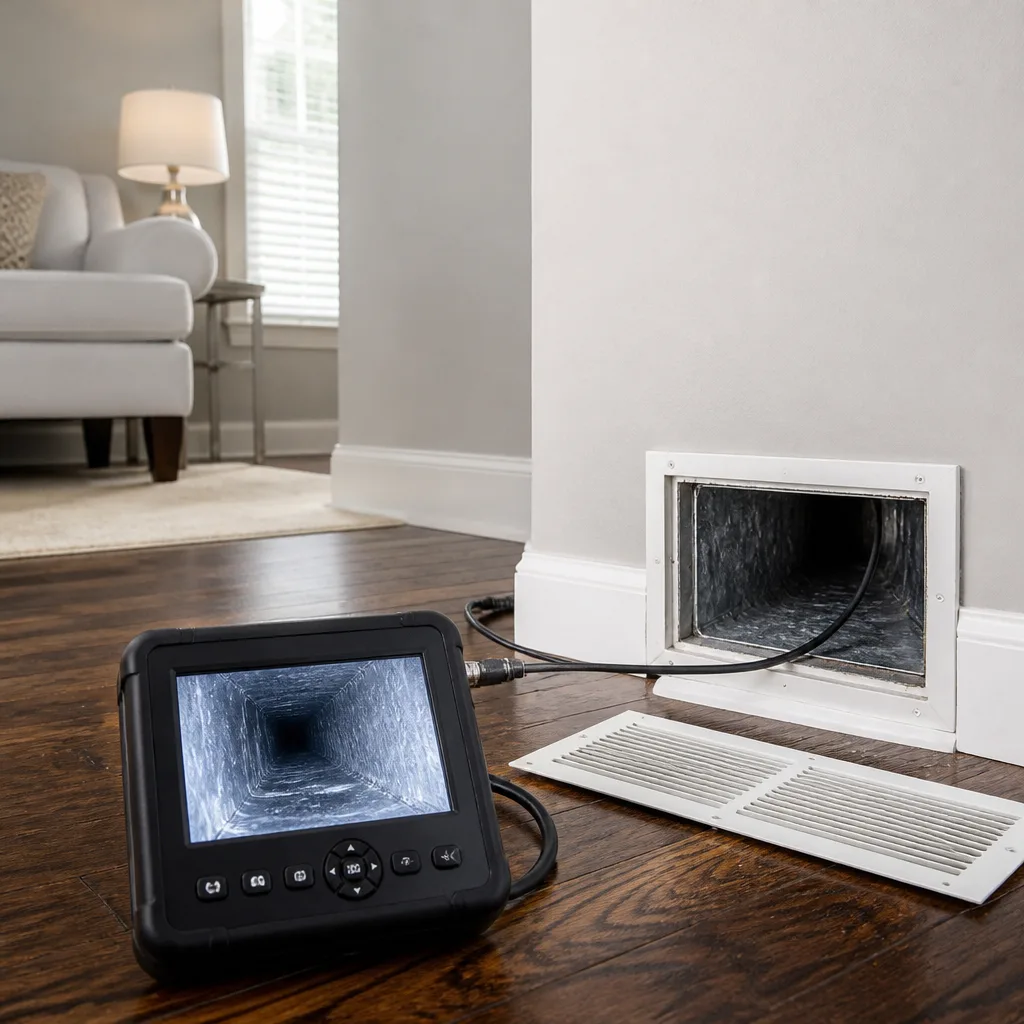 Camera inspection
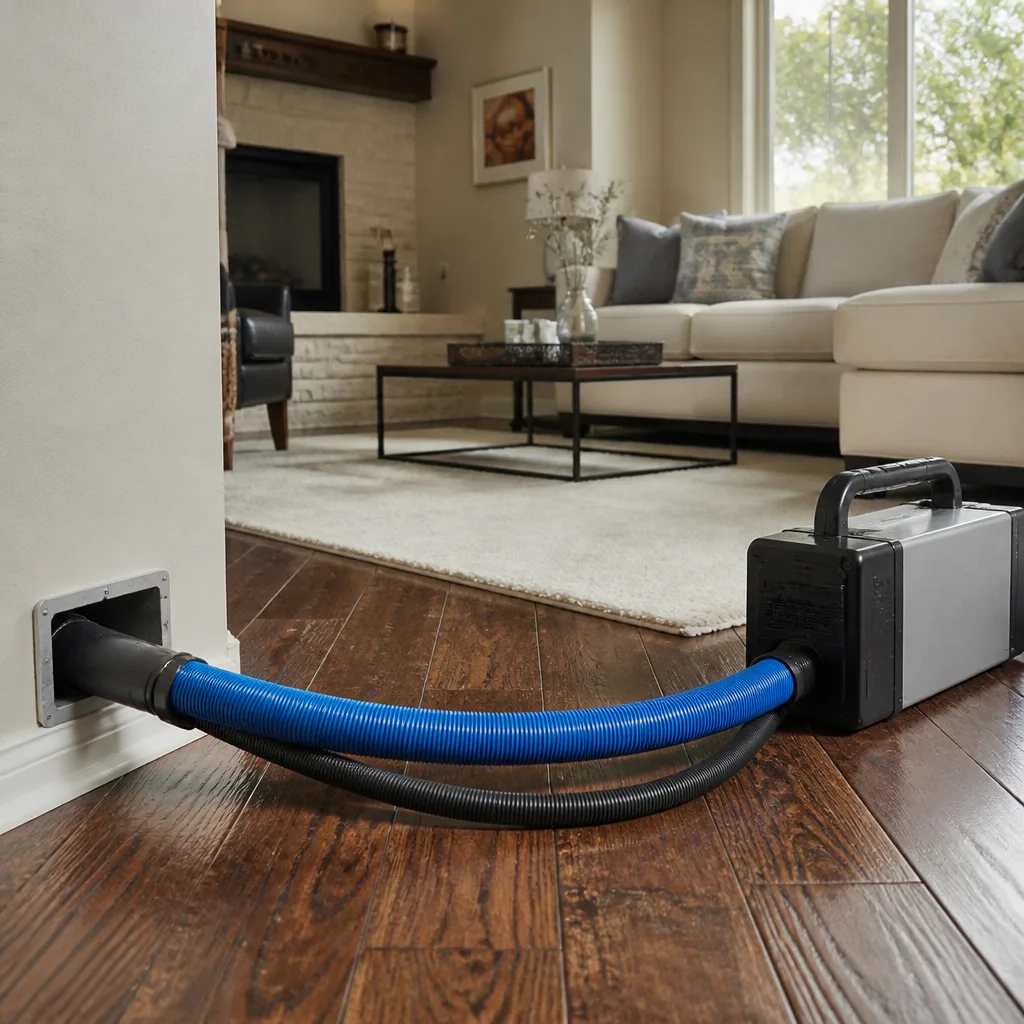 Sanitizing & deodorizing
Whole-system duct and dryer vent check with before-and-after photos - you see exactly what came out of your vents
That "$99 whole-house special" is a bait ad - the real number appears once they are in your hallway, or the "clean" is a shop-vac at the register. We photograph the inside of your ducts before and after instead.
Air Duct Cleaning Warning Signs: A Lakewood Homeowner’s Reference Guide
Dust on your registers is not a warning sign. It’s normal, and every home in Lakewood has it. But the texture, color, and location of that dust can tell you something specific about what’s happening inside your system, if you know what you’re looking at. Most duct problems give clear physical signals for weeks before they affect air quality or system performance. The trick is reading those signals accurately instead of either ignoring them or panicking over nothing. This guide walks through what those signals look like, what each one actually indicates, and which ones deserve your attention this week versus which can wait for your next scheduled service.
Quick Answer
Air duct cleaning warning signs in a Lakewood home include visible dust plumes from registers, dark staining around vents, musty or burning odors when the system runs, uneven airflow between rooms, and increased allergy symptoms that follow the heating and cooling cycle. Normal light dust on a register is not a warning sign; what matters is the color, texture, and pattern of what you’re seeing. Anyone noticing several of these signals at once should get a professional inspection rather than guess.
Styles & brands we work with
- Whole-home duct cleaning
- Dryer vent cleaning
- Camera inspection
- Sanitizing & deodorizing
Table of Contents
- How to Read Dust: A Visual Classification Guide
- Airflow Symptoms and What Each One Points To
- Odor Diagnostics: Musty, Burning, or Chemical
- Post-Event Checks for Lakewood Homes
- When Signs Need Attention This Week vs. Next Service
- Why Equipment Matters More Than the Quoted Price
- Common Mistakes to Avoid
- Frequently Asked Questions
How to Read Dust: A Visual Classification Guide
Dust is the primary diagnostic tool you have as a homeowner, and it’s free. Every type of debris in a duct system leaves a different fingerprint on your registers, in the return grille, and on the floor beneath the vents. Learning to distinguish these types is the fastest way to know whether you’re looking at routine household dust or something that indicates a more specific problem.
Dark gray, fine, powdery dust. This is the most common dust type in Colorado homes and it’s usually harmless. It’s a mix of skin cells, textile fibers, road dust tracked in from outside, and fine soil particles. You’ll see it on the leading edge of vent louvers and around the grille screws. A thin even film that returns a few weeks after you clean the register is normal and not a sign that your ducts need cleaning.
Fibrous material. If the dust looks like short strands of lint, hair, or pale fibrous clumps rather than a fine powder, that’s an indication of deteriorated duct liner, loose fiberglass insulation breaking down inside the system, or a cracking flex duct that’s shedding. Fibrous debris in a Lakewood home is worth investigating because it may mean material is disintegrating inside the system and being distributed into the living space.
Biological growth. Discoloration that looks like dark spotting or blotchy patches, especially near the register and around the cooling coil area, can indicate biological growth. This needs to be looked at by a professional because the underlying moisture source must be found and corrected first; cleaning the ducts without fixing the moisture just resets the clock.
Construction debris. Drywall dust, small chips of wood or mortar, and chunks of insulation are typical after any renovation, and they settle deep in the system. Dark gray fine dust may also appear darker and more concentrated than usual for weeks after work is finished. Any Lakewood homeowner who has just completed a remodel, added a basement room, or finished a garage should treat construction debris in ducts as a distinct category from normal household dust.
We use air duct cleaning equipment built for this kind of visual audit and for the extraction that follows. Rotary brushes dislodge what’s stuck to the duct walls, and HEPA filtration captures it at the source. The difference between seeing the debris type and guessing at it is the difference between a targeted job and a hopeful one.
Airflow Symptoms and What Each One Points To
Weak airflow is a symptom, not a diagnosis. The same complaint means different things depending on which register is affected, when it happens, and whether it’s constant or intermittent. Here’s how to sort through the most common patterns.
Weak flow from one register only
When one register blows noticeably less than the others, the problem is usually local. A disconnected or crushed flex duct, a closed damper feeding that branch, a kinked run above a ceiling, or debris blocking a specific boot are the usual culprits. This is the most repairable type of airflow problem and often the cheapest to solve, because the issue is in one section rather than the whole system.
Uneven room temperatures
If one room stays hotter or colder than the rest of the house even when the thermostat is satisfied elsewhere, it points to a balance problem. Outside of duct issues, the common causes are undersized supplies, undersized returns, or a run that’s been rerouted badly through a renovation. In Lakewood, where many homes have a mix of finished basements and additions that were added decades apart, unbalanced ductwork is one of the most common findings on an inspection.
Pressure differential between floors
A door that slams harder on the second floor than the first, or a return grille that feels noticeably stronger than the supply it serves, indicates your system is running under pressure. That usually means the return side is undersized or partially blocked. This symptom is worth mentioning on the phone because pressure issues often involve a repair, not only a cleaning.
Tell-tale airflow checklist
- Hold a piece of tissue paper up to each register and note how strongly it flutters. Compare across rooms.
- Check whether the weak register improves when you close other dampers in the house, which tells you the issue is at the branch, not the main trunk.
- Look for a supply register that blows cold air when the heat is running, which can indicate a mixing issue in the duct run.
- Listen at the return grille for a whistling sound, which suggests a restrictive filter or undersized return.
- Confirm the filter is clean and correctly sized before placing any call, since a dirty filter causes the same symptoms as dirty ducts.
If two or three of those checks point to the same room or the same branch of ductwork, an inspection is worthwhile. If the whole house feels weak, the filter and the blower are the first things to rule out.
Odor Diagnostics: Musty, Burning, or Chemical
Smell is the most underused diagnostic tool in home air quality, and the most misunderstood. Different odors point to different sources, and the difference between them matters because one is a comfort issue and another may be a safety issue.
Musty odor
A musty smell at your registers, especially when the air conditioning first comes on, almost always points to moisture. Common sources are a cooling coil that isn’t draining, a return duct that runs through a humid basement or crawlspace, condensate pooling in a pan, or a duct run that’s been wet for a while. Mustiness is a real signal. It shouldn’t be covered up with air fresheners, because the underlying moisture has to be found and corrected before any cleaning will help long term.
Burning smell
If a burning smell appears when the heat comes on and fades as the system runs, that’s often dust burning off the heat exchanger on the first cold-day startup of the season. But if a burning smell recurs through the season even after the first cycle, or if it corresponds with debris sitting on or near the heat exchanger, that’s a reason to have the system inspected professionally rather than to assume it’ll pass. We don’t test or service the heat exchanger; that’s a job for your HVAC contractor, but a duct inspection can identify loose debris that shouldn’t be there in the first place.
Chemical or plastic smell
A sharp chemical or burning-plastic scent can point to off-gassing from new ductwork, from flexible duct liner that’s been overheated by proximity to hot components, or from a new appliance or air freshener that’s been placed near a return. If it’s a sudden new smell with no obvious source, stop and have the system inspected before running it again.
What smell usually tells you
- Musty, soil-like, or damp-basement smell: moisture in the system, check for leaks and condensate problems.
- Burning dust smell that goes away: typical first-run dust burning off, often not a duct issue.
- Recurring burning smell: debris near the heat exchanger or a failing component; call your HVAC contractor.
- Chemical or plastic smell: off-gassing or overheated flex duct liner; inspect before running.
- Stale, flat, “dead air” smell: low airflow or a return that’s restricted; inspect the return side.
Musty smells are the ones we see most often on duct calls in Lakewood, especially in homes with a finished basement where a duct run was rerouted close to a floor drain or an exterior wall. The smell is a legitimate warning sign; it isn’t just an annoyance.
Post-Event Checks for Lakewood Homes
Some duct problems start with a specific event. After a wildfire smoke event, a basement flood, or a renovation project, the inside of your ductwork can look very different from the way it did a week before. Knowing what to check limits both the risk of missing a real problem and the risk of overreacting to normal post-event dust.
After a wildfire smoke event
Smoke from Front Range fires that drifts over Lakewood carries fine particulate matter. A well-sealed system with a good filter will keep most of it out, but smoke intrusion through gaps, a running system during the event, or a window left open in a room with a return grille can pull smoke into the ducts. Signs of smoke infiltration include a lingering smoky smell that returns whenever the furnace or AC kicks on, discolored filter media that turns dark gray or brown faster than usual, and visible soot on the leading edges of return grilles. Check the filter first, note the smell, and inspect the return grille nearest any window that was open. If both the smell and the visual signs are present several days after the air clears, a duct inspection is reasonable.
After a basement flood
Any duct run that passes through a wet space or sits below the water line during a flood should be inspected. The signs to check are musty odor in the rooms above, condensation on the register face, visible rust at metal seams, and staining at the boot where the duct meets the floor. Biological growth can start in a wet duct within days, so this is not a “wait and see” situation. Turn the system off if there’s an active musty smell, find the moisture source, and get the system looked at promptly.
After a renovation
Drywall dust, sawdust, insulation fibers, and small construction debris are the main post-renovation duct contaminants. During any work that involves sanding or demolition, tape the registers in the work area, run the system as little as possible, and check the filter weekly. After the work ends, look for visible construction debris in the return grille and for a persistent haze that the filter isn’t catching. A single duct cleaning after a significant renovation in a Lakewood home is worthwhile when drywall work has been extensive, because the fine dust settles deep and keeps cycling through the system long after the work is finished.
When Signs Need Attention This Week vs. Next Service
The most common mistake homeowners make isn’t ignoring a real problem; it’s paying for an emergency visit over something that could have waited three weeks. Distinguishing real urgency from routine maintenance saves money and keeps you focused on the signals that matter.
Needs same-week attention
- Musty or damp smell that appears whenever the system runs, which points to active moisture and potential biological growth.
- Visible biological growth or dark spotting on a register or at a duct boot.
- Fibrous material blowing from a register, which suggests a deteriorating duct liner or failing flex duct.
- Airflow to a room that has dropped sharply, particularly if that room is an infant’s bedroom or a room used by someone with respiratory issues.
- Construction debris in the return grille after a renovation has finished.
- Water contact to ductwork from a flood, plumbing leak, or condensate issue.
Belongs on the next scheduled service
- A thin film of gray dust on register louvers that returns slowly after cleaning.
- Seasonal dust smell in the first week the heat runs in fall, which is typically dust burning off and goes away.
- One register that’s slightly weaker than the others but hasn’t changed noticeably in months.
- Persistent mild gray dust accumulation in a home with pets or a nearby construction site that hasn’t recently finished a project.
The “next scheduled service” side of that list isn’t an argument for never cleaning; it’s an argument for scheduling on your own timeline instead of being pushed into one. A professional inspection is the way to confirm which side of the list you’re on. Our team handles these calls every week in Lakewood, and we tell people plainly when a job can wait.
Why Equipment Matters More Than the Quoted Price
The single biggest gap between a professional duct cleaning and a disappointing one is the equipment on the truck. Consumer-grade shop vacuums and unbranded consumer tools can knock loose surface dust but can’t dislodge what’s adhered to the duct walls or capture fine particulate before it redistributes into the living space. That’s why the same “duct cleaning” viewed on paper produces wildly different results.
Purpose-built systems use mechanical agitation plus high-filtration vacuum. Rotobrush rotary brush systems scrub the duct walls to dislodge adhered debris, and Nikro HEPA filtration vacuum equipment captures fine particulate at the source rather than pushing it into the room. For homes where the contamination level has gone past routine dust, Abatement Technologies air-quality equipment is the sort of gear used in mold and contaminant remediation, and it’s what a real inspection job can call on when the situation warrants it.
Equipment also matters on the repair side. Our team offers air duct repair alongside cleaning, which means a compromised section spotted during the job can be diagnosed and repaired on the same visit rather than referred out. Homeowners who have had a duct problem identified only to be told “you’ll need to find someone else” know how frustrating that handoff is. We clean it, and if it’s broken, we fix it.
We also service systems built on leading air-quality platforms, including Honeywell and Aprilaair-compatible controls and the Guardsman filtration and ventilation lines, giving Lakewood homeowners a single point of contact for their full ventilation setup. If your home has one of these systems, ask about compatibility when you schedule; it saves a second visit later.
Common Mistakes to Avoid
- Treating every speck of dust as a warning sign. A thin, even film of gray dust on a register is normal household dust, and cleaning the system won’t stop it. What matters is color, texture, and location, so judge the sign in context before assuming the ducts need cleaning.
- Ignoring a musty smell because it comes and goes. Smell that shows up on startup is often a symptom that appears only when the system is running. It usually points to moisture somewhere in the system, and waiting for it to become a constant smell tends to make the eventual fix bigger.
- Assuming a cheap coupon price is the same service. Quotes built around per-vent pricing or a teaser coupon frequently expand once the technician is on site, because the “covered” work is only the surface. A whole-system price agreed before work starts is the number to compare.
- Over-cleaning after a renovation before it’s finished. Cleaning mid-renovation usually means you’ll do the job twice. Tape registers during work, clean after, and confirm the return grille is clear of construction debris at that point.
- Skipping dryer vent cleaning because the dryer still works. A dryer that’s running hot, taking longer than it used to, or has visible lint around the outside vent should be checked. The dryer vent is a leading cause of residential fires, and it deserves to be on your maintenance list, not treated as an optional add-on.
- Not asking what equipment will be used. If the answer is “a big vacuum,” keep asking. A purpose-built rotary brush and HEPA-filtered vacuum are the difference between a cleaning and a cleaning.
- Calling about airflow without checking the filter first. A clogged filter causes the same symptoms as dirty ducts in most Lakewood homes. Check the filter before booking a duct inspection; a filter swap may solve the whole issue.
When to Call a Professional
Call a professional if you’re seeing more than one warning sign at once, if any smell appears when the system runs, or if a recent event (wildfire smoke, flood, renovation) has left debris or odor in the system. Call sooner if there’s musty odor, visible biological growth, or fibrous material blowing from a register, since those signs suggest the source needs identifying rather than just cleaning. Call before you book a cleaning if the airflow problem is confined to one or two rooms; that pattern often means a duct repair is needed, not only a cleaning. And call if you’ve been quoted a per-vent price and don’t yet have a whole-system price agreed in writing.
Lakewood Duct Cleaning offers free estimates in Lakewood. Call (844) 914-0778. We answer 24/7. Fast dispatch from 7am to 7pm, Sunday through Friday. Our technicians have up to 9 years of experience, and every job is priced per system before work starts, with before-and-after photos of your own ducts so you can see what was actually cleaned.
Frequently Asked Questions
The right way to price a duct cleaning in Lakewood is per system, based on the size of the home, the number of HVAC systems, and the condition the technician confirms on inspection. We don’t quote per vent, and we don’t offer teaser coupons that expand once a technician is on site. The written estimate sets the final price. Call (844) 914-0778 for a free estimate.
Several warning signs together are the useful test: visible dark dust plumes from registers, musty or chemical odors when the system runs, uneven airflow that’s changed over time, fibrous debris blowing from a vent, and biological growth on registers. One of those alone might be routine; three or more is worth an inspection. A professional can confirm which side of the line you’re on rather than guessing over the phone.
Because the service is not the same service. Low quotes often mean a shop vac, no rotary brush, no HEPA filtration, and a price that expands once the technician is on site. The useful comparison is a whole-system price agreed in writing before work starts, with the equipment named. Ask what brush system and what filtration the technician will use, and factor those answers into the price.
Ask for before-and-after photos of your own ducts, taken during the actual job. A transparent process includes them, and a company that won’t supply them is telling you something about the process. Our team provides before-and-after photos as standard on every cleaning we perform.
For most Lakewood homes, cleaning is not an annual job; it’s driven by conditions rather than a calendar. Homes with pets, recent renovation, recent wildfire smoke exposure, or household members with respiratory sensitivity tend to justify more frequent cleaning. Homes without those factors often go considerably longer. A professional inspection will give you a real recommendation instead of a schedule designed to fill the calendar.
Cleaning can reduce a source of airborne particulate in the home, which some people notice as an improvement in comfort during allergy season. It is not a medical treatment, and it doesn’t fix a leaking roof, a humid basement, or an undersized HVAC system that is the actual source of the air quality problem. Cleaning is one part of a fuller picture, and a good inspection tells you whether it’s the right part for your home.
See the difference
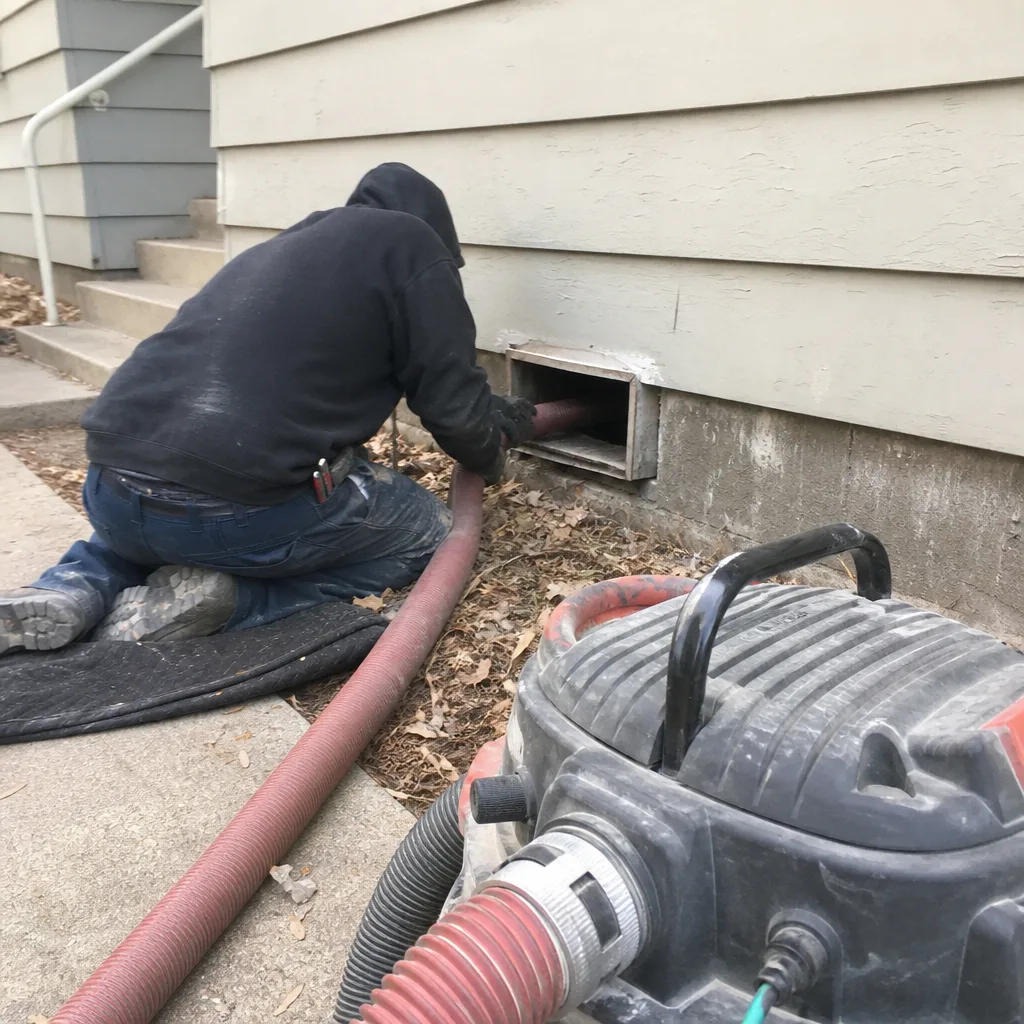 Before
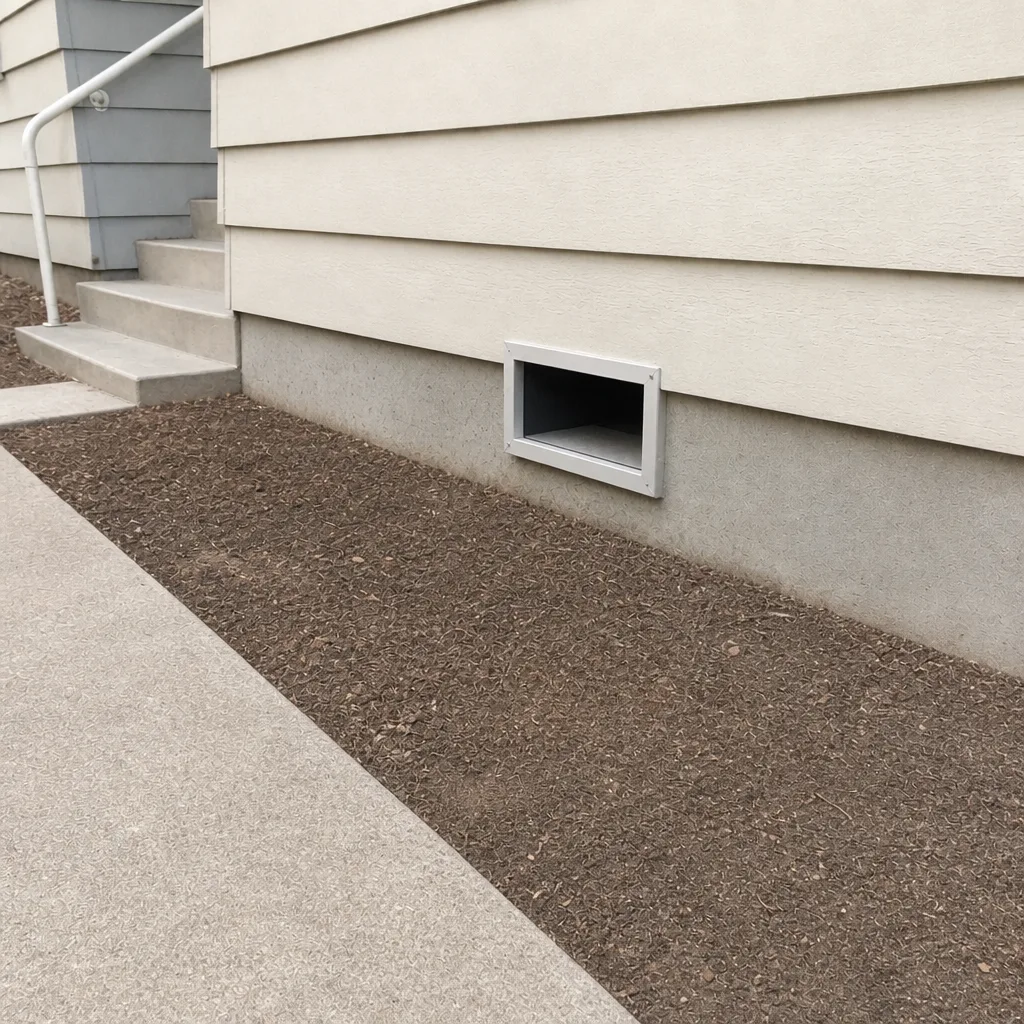 After
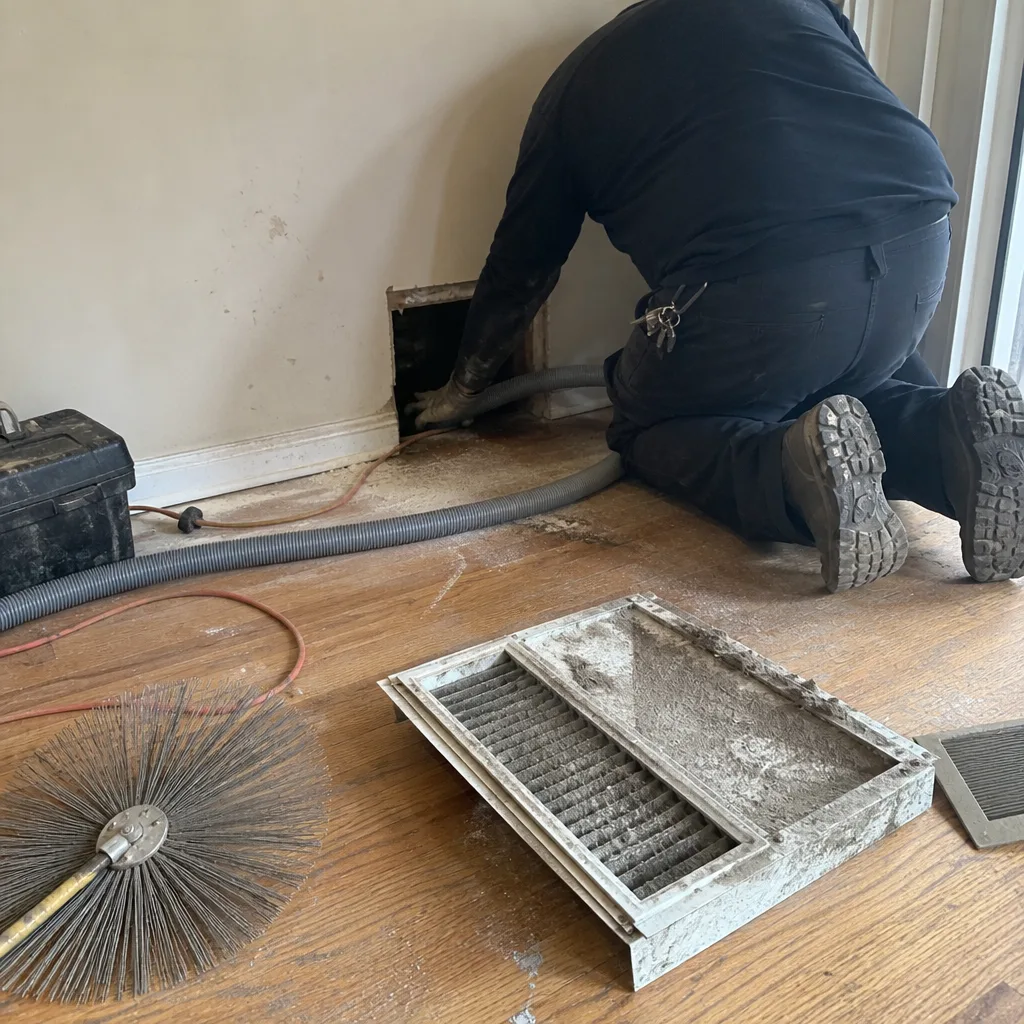 Before
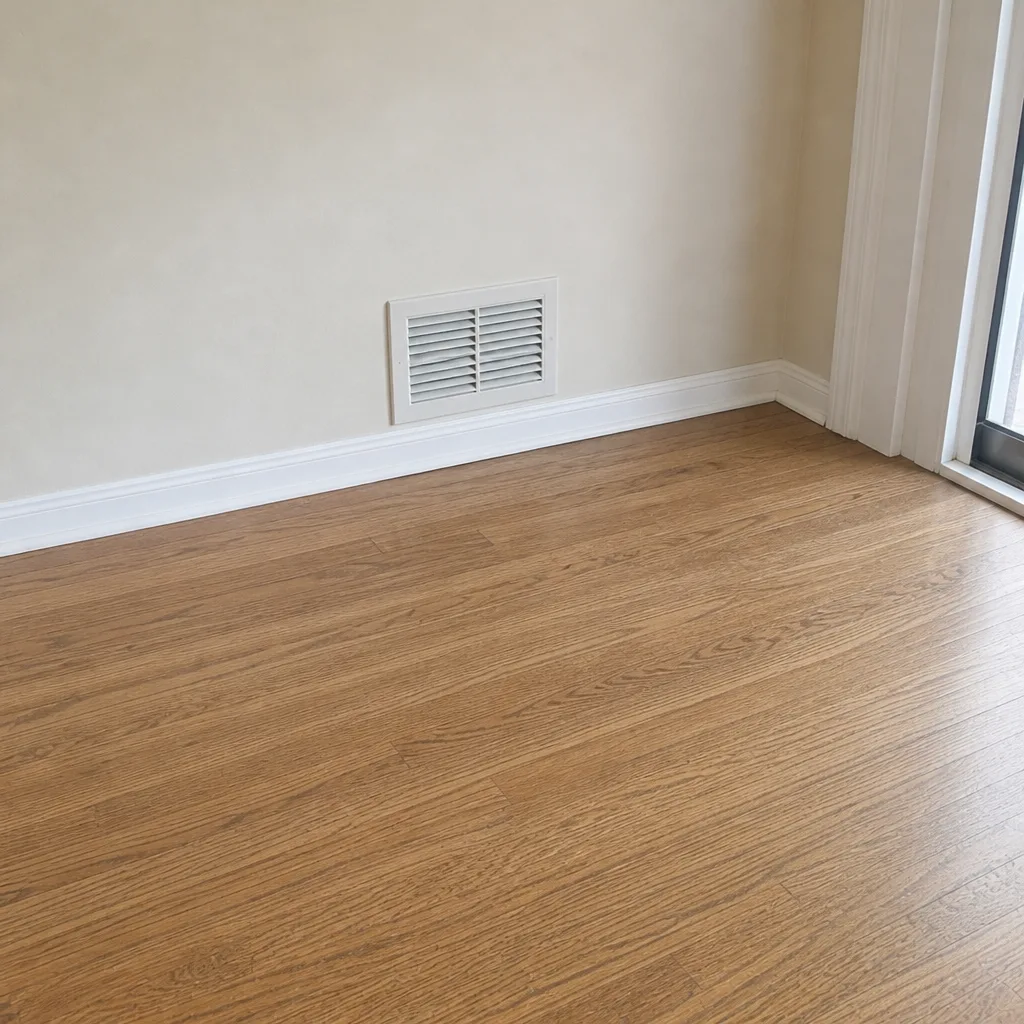 After
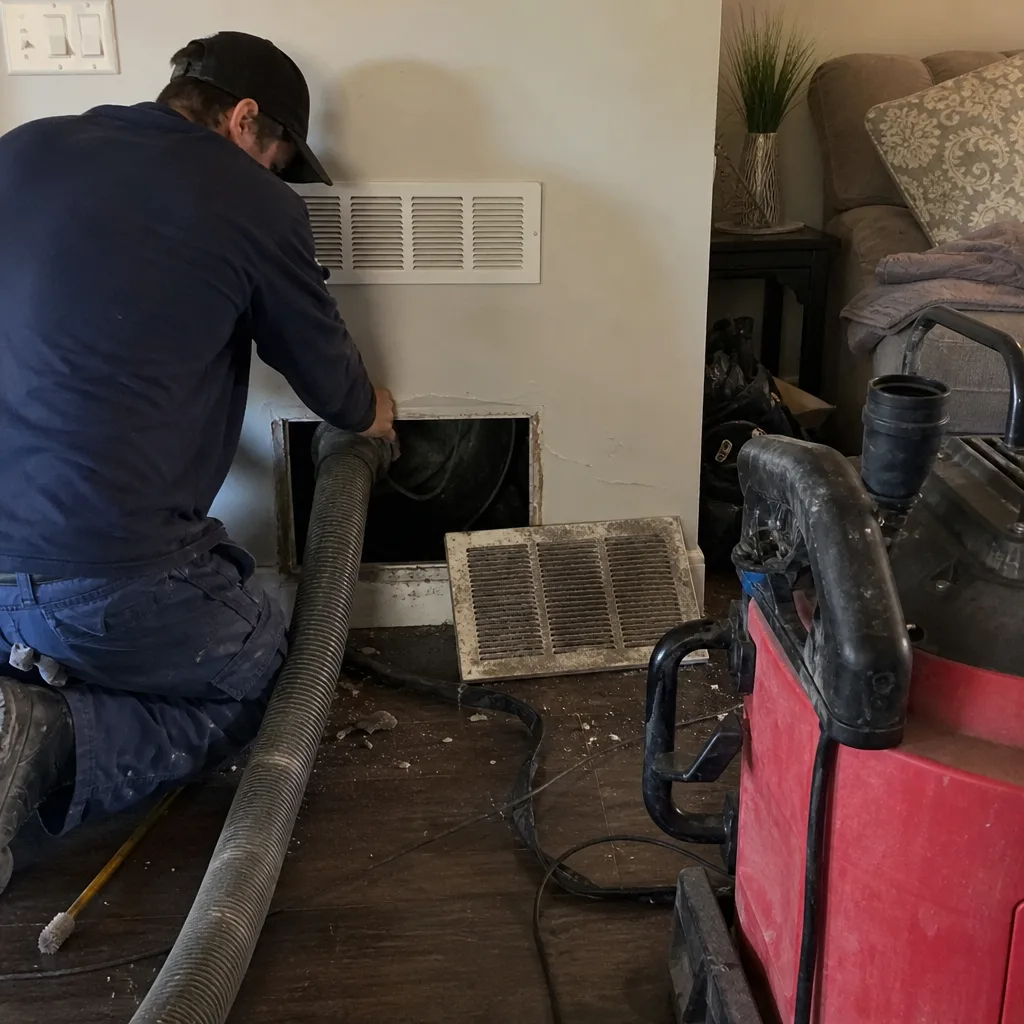 Before
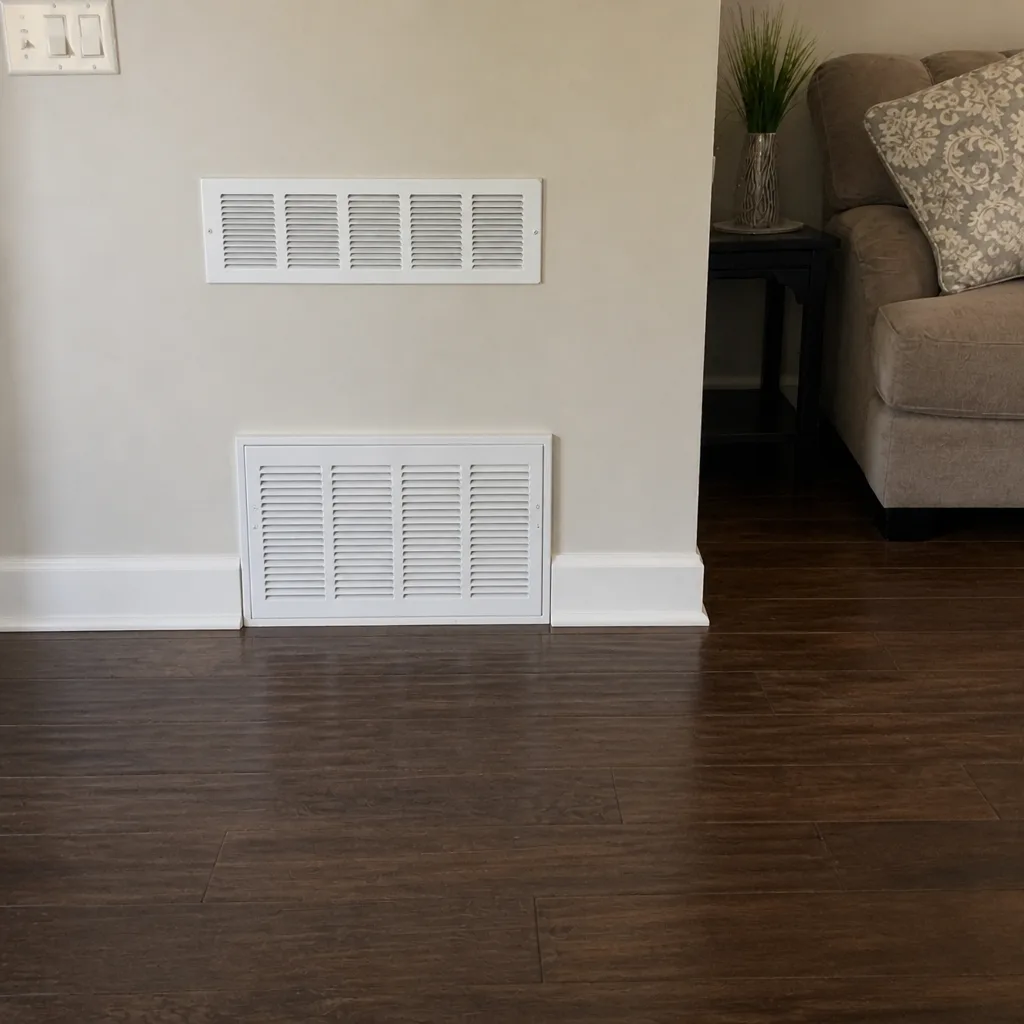 After
Do I need to check other ventilation systems in my Lakewood home?
Yes. The duct system isn’t the only place a warning sign can show up. The dryer vent is the other major one, and it carries its own set of signals: the dryer running hot to the touch, taking longer than usual to dry a load, a visible build-up of lint at the exterior vent, or a burnt smell in the laundry closet. Those signals warrant a check. See our guide to dryer vent cleaning for the full checklist, and add it to your maintenance list for any Lakewood home with a dryer vent longer than a short exterior run. If your bath fan or kitchen hood has visible dust build-up, mention it when you call; the ventilation system works as a whole.
The Bottom Line
Dust on a register is normal, and the dust itself is your best diagnostic tool if you learn to read it. The colors, textures, and locations tell you what’s actually happening inside the system, and the same is true of airflow and smell. Pair those observations with the post-event checks for wildfire smoke, basement floods, and renovation debris. Then sort your observations into “this week” versus “next service” instead of letting one symptom force a decision. Our technicians have up to 9 years of experience reading these same signs on Lakewood homes. If you’re seeing more than one signal, call us and we’ll tell you plainly whether the job can wait. Lakewood Duct Cleaning offers free estimates and uses professional-grade Rotobrush and Nikro systems, so the inspection and the cleaning are the same visit when needed. If your problem turns out to be a Lakewood home with a duct section that needs repair rather than cleaning, we handle that too.
Frequently Asked Questions (continued)
Not automatically. Check the filter, watch for recurring smoky smell when the system runs, and note whether return grilles have darkened faster than usual. If those signs are present several days after the air clears, a duct inspection is reasonable. If the system was sealed up and the filter still looks normal, an inspection is likely unnecessary.
No. Visible biological growth on a register or boot means a moisture source is active somewhere in the system, and surface cleaning without fixing that source just resets the clock. Have the system professionally inspected, correct the moisture, then clean.
Sometimes. Fibrous material blowing from a register, rust at metal seams, a collapsed boot, or an airflow drop in one room all point to a damaged run, and we confirm it with an inspection. Duct repair on the same visit as a cleaning is often the simplest outcome when a section has failed.
We answer 24/7. A call outside dispatch hours is booked into the next opening, Sunday through Friday, 7am to 7pm. Fast dispatch is typical during those hours, and the estimate is free.
Written by the team at Lakewood Duct Cleaning.