
Last updated November 15, 2026
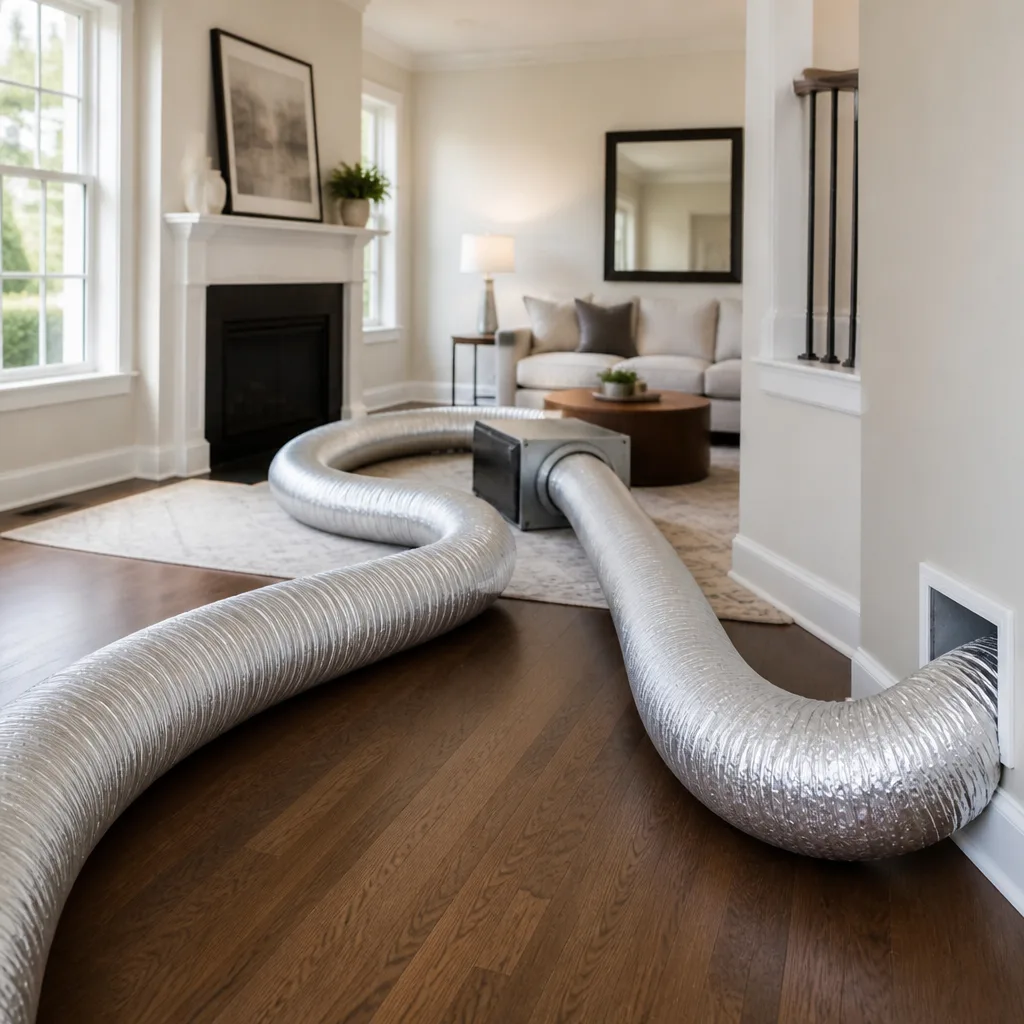 Whole-home duct cleaning
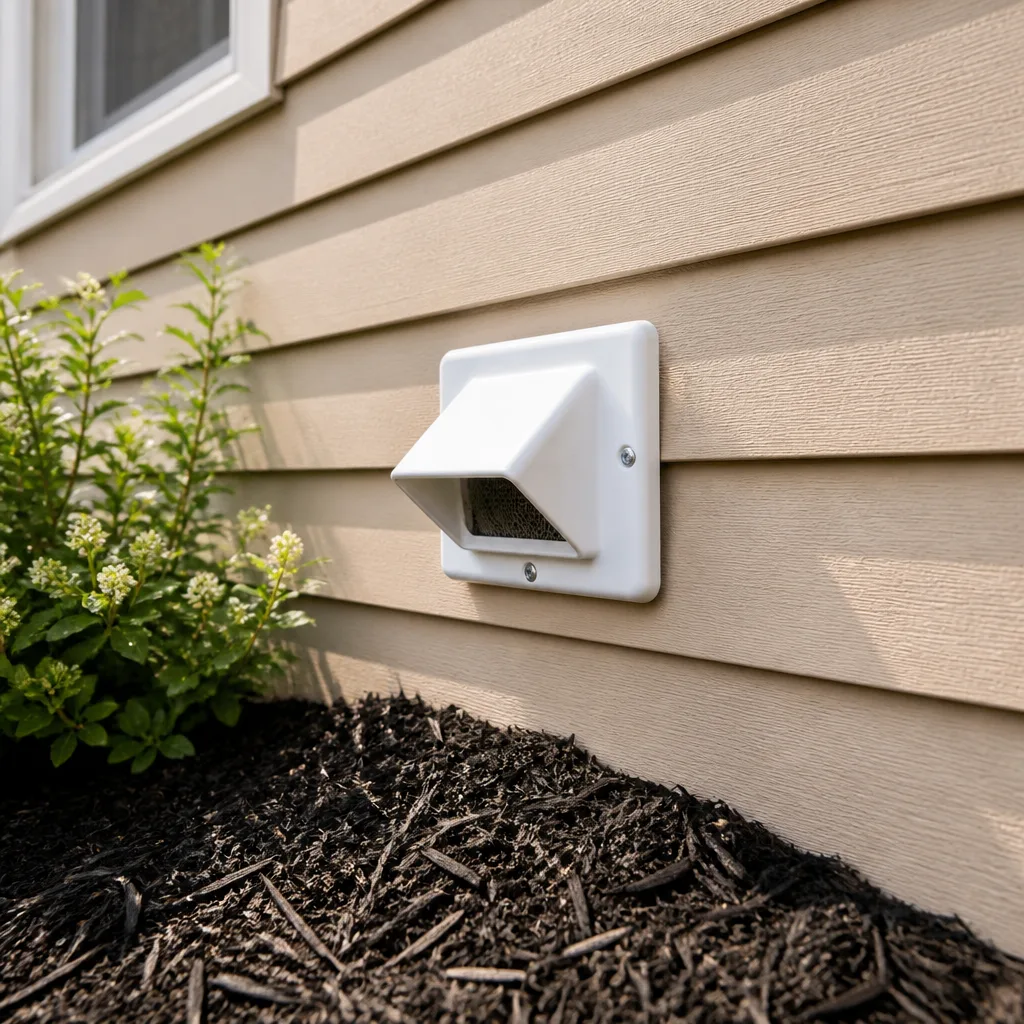 Dryer vent cleaning
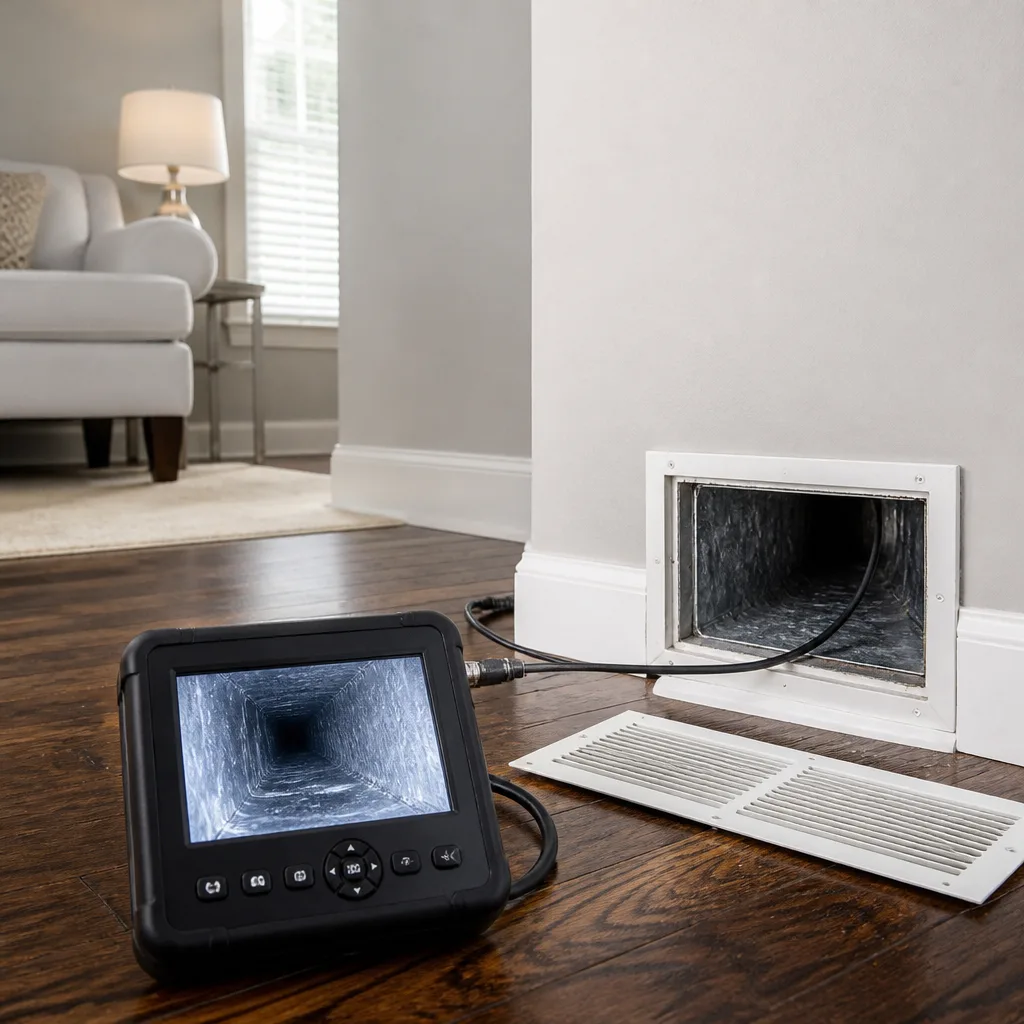 Camera inspection
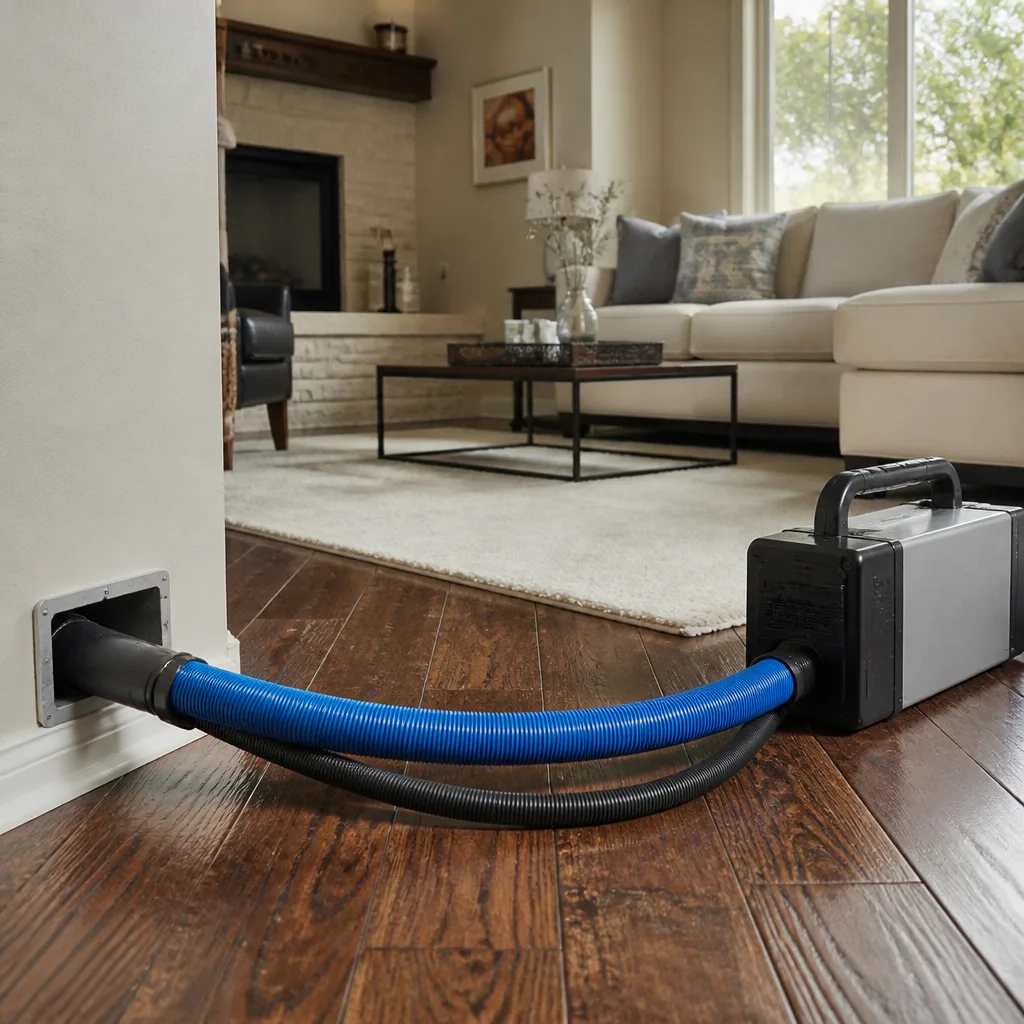 Sanitizing & deodorizing
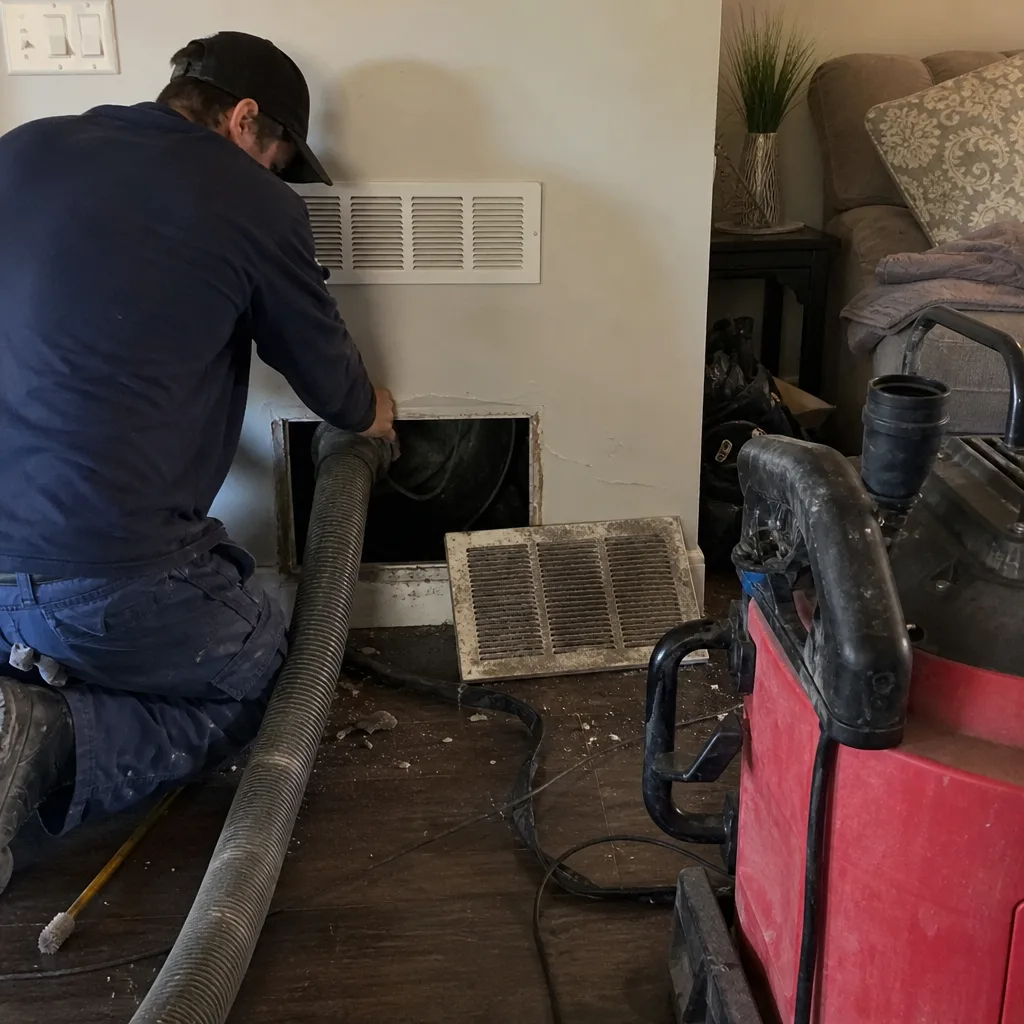
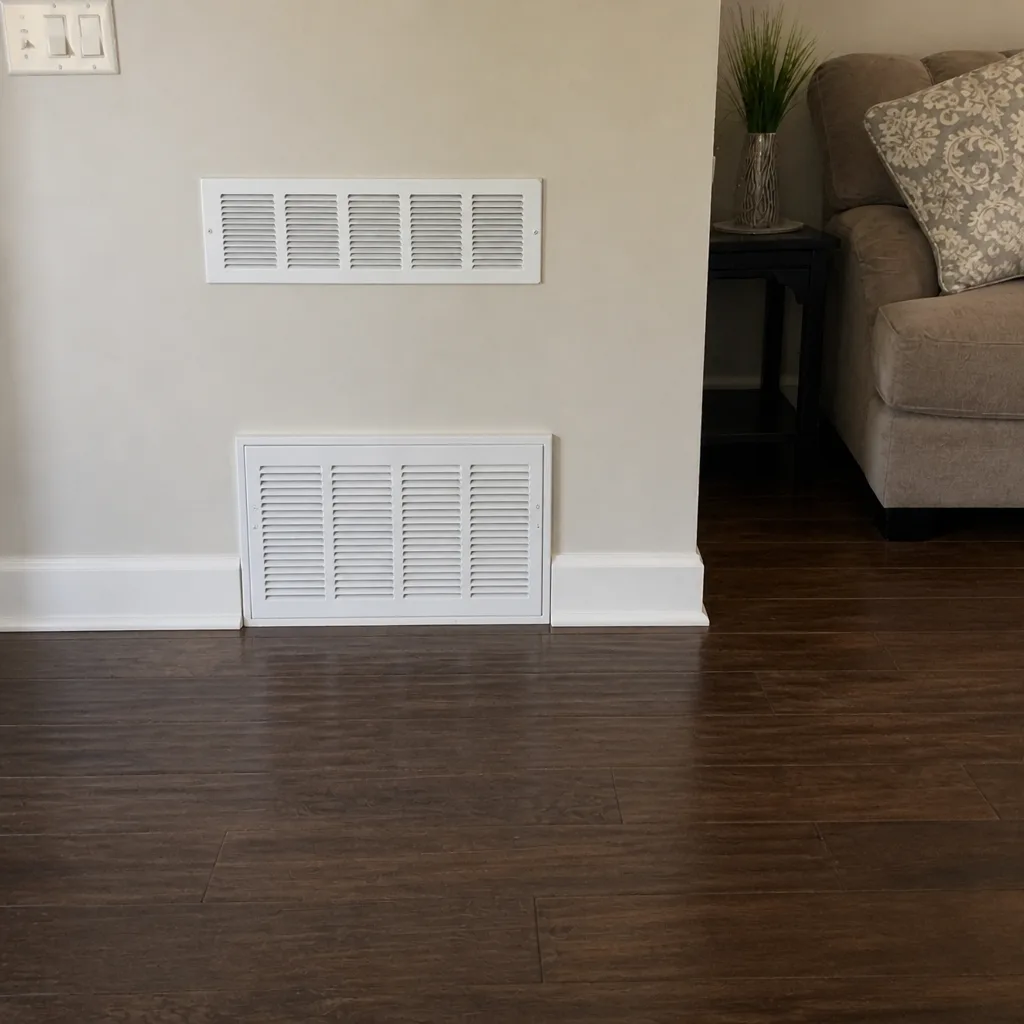
Whole-system duct and dryer vent check with before-and-after photos - you see exactly what came out of your vents
That "$99 whole-house special" is a bait ad - the real number appears once they are in your hallway, or the "clean" is a shop-vac at the register. We photograph the inside of your ducts before and after instead.
Choosing the Right Air Duct Cleaning Brand: A Buyer’s Guide for Lakewood
Three of the most-advertised national duct cleaning brands in Colorado rely on the same basic portable vacuum equipment. The brand on the truck tells you nothing about the CFM rating of the machine going into your home. That’s the uncomfortable truth behind most “which company should I hire” questions in this trade. Franchise logos signal a marketing budget, not a level of cleaning capability. What actually determines whether your ducts get clean is the equipment a company brings inside, the training behind it, and whether the operation can do anything beyond vacuuming dust. This guide breaks down those differences for Lakewood homeowners and property managers, shows you exactly what to ask before you book, and explains why mechanical repair capability matters more than brand loyalty. By the end you’ll have a repeatable framework for judging any company, national or local.
Styles & brands we work with
- Whole-home duct cleaning
- Dryer vent cleaning
- Camera inspection
- Sanitizing & deodorizing
Quick Answer
The right air duct cleaning brand in Lakewood is the one whose equipment, training, and service scope you can verify before the truck arrives. That means a professional rotary-brush and HEPA-filtration system rather than a shop vac, and a company that can repair compromised ductwork instead of only cleaning it. Locally owned specialists running commercial-grade equipment usually outperform national franchise operations on both counts. Ask about the machine, the filtration, and repair capability first. Everything else is marketing.
Table of Contents
- Why the Brand on the Truck Doesn’t Tell You Much
- The Real Equipment Difference: Portable vs. Professional-Grade Systems
- What “Full-Service” Should Actually Mean
- How National Marketing Creates an Illusion of Standardization
- Questions That Expose a Company’s Real Capability
- Why Repair Capability Beats Brand Loyalty in Lakewood
- How to Verify Capability Before You Schedule
- Common Mistakes to Avoid
- When to Call a Professional
- Frequently Asked Questions
Why the Brand on the Truck Doesn’t Tell You Much
A recognizable name on the side of a van feels like a quality signal. In most industries it is one. In duct cleaning it’s closer to a franchise fee. National brands sell territory rights to independent operators, and those operators then buy their own equipment, set their own service scope, and train their own people. Two trucks carrying the same logo in different metro areas can run completely different machines and offer completely different services.
Here in Lakewood, we’ve watched homeowners compare quotes from companies with national names beside companies with local ones and assume the national name means consistency. It doesn’t. The variables that actually change your outcome are:
- The cleaning machine. Rotary-brush systems that agitate duct walls, or a plain vacuum hose with no agitation.
- The filtration. HEPA-captured debris or dust pushed back into the room.
- Service scope. Cleaning only, or cleaning plus repair and sealing.
- Training. Franchise-mandated or improvised on the job.
None of those appear on the logo. They only appear in the answers you get when you ask. A brand is a promise made by a marketing department. Equipment and scope are what a technician actually brings to your door. Judge the second thing, because it’s the only part you can check before you pay.
This is also where a local specialist has a structural edge: the person answering the phone is close to the person doing the work, so questions about equipment tend to get a straight answer instead of a script.
The Real Equipment Difference: Portable vs. Professional-Grade Systems
Portable vacuums are what most budget operations, national or local, bring into a home. Some are decent machines. Many are consumer-grade or shop-vac class, with modest airflow and limited filtration. They can pull loose dust out of a duct mouth, but they don’t dislodge what’s bonded to the duct wall, and they don’t always capture fine particulate before it escapes into the room.
Professional systems work differently. We run Rotobrush rotary-brush equipment, which physically agitates and scours the inside of the duct while the vacuum carries debris away. That agitation is the part most cut-rate operations skip, and it’s the difference between a duct that looks better and a duct that is actually clean. Alongside it we use Nikro HEPA-filtration vacuum equipment, which captures particulates at the source instead of redistributing them into the living space. For heavier contamination contexts we use Abatement Technologies equipment, the same class of gear used in contaminant and mold remediation work.
Here’s a comparison framework you can apply to any quote:
- Agitation method: rotary brush or air whip versus a bare vacuum hose. Ask directly.
- Filtration: true HEPA capture versus standard filtration. Fine dust is the part that lingers in the air.
- Containment: sealed access points and a machine rated for the job versus an open hose and a hope.
- Verification: before-and-after photos of your own ducts versus a verbal assurance that it’s done.
None of this is exotic. It’s standard professional equipment. The problem is that the brand on the truck doesn’t guarantee it, and the price of the quote doesn’t either. A cheap quote is often cheap because the machine costs less, not because the company is generous. Ask what’s coming inside before you schedule air duct cleaning with anyone, and treat a vague answer as your answer.
What “Full-Service” Should Actually Mean
Nearly every duct cleaning company calls itself full-service. Few mean what the phrase actually should mean. In a legitimate context, full-service means the company can diagnose a problem, clean the system, repair or seal compromised ductwork, and speak to the air-quality equipment already installed in the home. Cleaning-only operations have to hand you a report and refer you elsewhere the moment they find a disconnected run, a crushed flex duct, or a gap pulling attic air into the supply.
That matters because duct problems are common and rarely cosmetic. A run that’s come loose in a crawlspace, a joint that was never sealed, or a section of flexible duct kinked behind a wall cavity will undermine everything a cleaning is meant to do. If the system is leaking, you’ve paid for clean ducts and a system that still pulls in unfiltered air.
Our three core services exist for this reason:
- Air duct cleaning. Source removal with professional-grade agitation and HEPA capture.
- Dryer vent cleaning. A safety service, not an add-on. Lint accumulation in a dryer vent is a leading cause of residential fires, and it’s the service most companies treat as an upsell.
- Air duct repair. Diagnosis and repair of compromised ductwork on the same visit, so the system is sealed and functional when we leave.
We clean it. If it’s broken, we fix it. That’s a narrower and more honest claim than “full-service,” and it’s one you can verify with a single question. Ask any company what they do when they discover a disconnected duct. If the answer is “we note it on the report,” you’ve found a cleaning operation, not a full-service one.
We also work on systems built on Honeywell, Aprilaire, and Guardsman platforms, which means a single point of contact for the ventilation equipment many Lakewood homes already have installed.
How National Marketing Creates an Illusion of Standardization
National brands are built to look uniform. The website is uniform. The logo is uniform. The pricing script often is too. What isn’t uniform is anything that happens inside your house.
Franchise territories are owned independently. Equipment purchases follow the owner’s budget, not a national standard. Training ranges from structured to informal. Service scope varies by what the local owner decided to offer. Two franchises sharing a name in the same state can differ more than two unrelated local companies do.
That doesn’t make national brands automatically worse. It makes the brand name uninformative. The right response is to stop treating the name as evidence and start treating it as a starting point for questions. In our experience the companies that welcome those questions are the ones with equipment worth showing you.
There’s a local angle too. Lakewood’s housing stock mixes mid-century ranch homes with newer builds and plenty of remodeled properties where ductwork has been extended, rerouted, or patched over the years. A crew that knows the area’s typical duct configurations is better positioned to spot a problem than an out-of-state operator working from a generic checklist. That kind of familiarity doesn’t come from a franchise manual.
Questions That Expose a Company’s Real Capability
The good news is that you don’t need to be a ductwork expert to separate capable companies from basic ones. You need five questions, asked the same way every time, and the discipline to treat vague answers as disqualifying. Ask these before you book anyone, local or national.
- “What machine will be inside my home?” You want a rotary-brush system and true HEPA filtration named specifically. “Professional equipment” is not an answer. A brand name plus a filter type is.
- “Do you repair ductwork, or only clean it?” If they only clean, you’ll be referred out the moment they find damage, and the cleaning may be wasted.
- “Will I see before-and-after photos of my own ducts?” Not stock photos. Yours. This is the simplest transparency test in the trade.
- “How is the price set?” You want one flat price per system, agreed before work starts, not per-vent pricing that swells once the technician is on site.
- “What’s the total, in writing, before you start?” A written estimate is the only number that means anything. Everything before it is a hook.
Ask about the dryer vent too, especially if it’s been more than a year since it was cleaned. The best dryer vent cleaning operations treat it as a fire-safety service and inspect the full run, not just the visible lint trap. And if you’re comparing companies that serve the surrounding area, ask whether they know the configuration of duct systems common in Lakewood homes and how that changes their approach. A company that answers all five questions with specifics is worth talking to. One that deflects any of them is telling you something.
Why Repair Capability Beats Brand Loyalty in Lakewood
Most homeowners choose a duct cleaning company the way they choose a brand of soap: by familiarity. It’s an understandable instinct and the wrong one here, because duct cleaning is a diagnostic service disguised as a maintenance task. The company that opens your system is going to find something, and what it can do about that something determines whether your money bought clean air or a report.
Cleaning-only operations have a structural limit. They can agitate, vacuum, and photograph. They cannot seal a joint, reconnect a run, or replace a crushed section. When they find damage, the visit ends with a recommendation and a referral, and you start again with a different company, at a different price, on a different day. That’s the real cost of choosing by brand instead of capability.
A better framework is to select for mechanical repair capability first and treat everything else as secondary. Here’s how that translates into practice:
- Prioritize scope over logo. A company that offers cleaning and repair under one roof solves more of your problem in one visit.
- Prioritize equipment over price. Rotary-brush agitation and HEPA capture cost more to run and produce a different result.
- Prioritize written estimates over verbal quotes. One flat price per system, agreed before work starts.
- Prioritize photos over assurances. Before-and-after images of your own ductwork are proof. A description is not.
Lakewood homeowners who’ve dealt with a mid-century duct system know how often a cleaning turns into a repair conversation. Choosing a company that can finish both halves of that conversation is simply a smarter way to spend the afternoon.
How to Verify Capability Before You Schedule
Verification is a short, repeatable process. It takes about ten minutes on the phone and saves you from the industry’s most common frustration: paying for cleaning and receiving a report.
- Ask the five equipment and scope questions above. Write down the answers as you get them. Vagueness is data.
- Request the written estimate before scheduling. The estimate should state a flat price per system, not a per-vent figure.
- Ask what happens if damage is found mid-cleaning. You want to hear that diagnosis and repair happen on the same visit.
- Ask to see before-and-after photos of your own system. Not a portfolio. Yours.
- Check that the company is licensed and insured. Ask for confirmation if it isn’t stated plainly on their materials.
- Confirm what happens with the dryer vent. A company that treats it as a safety inspection rather than an upsell is signaling how it handles the rest of the work.
Our technicians have up to 9 years of experience, which is the kind of detail you can ask any company about and compare honestly. If a company can’t tell you the equipment, the scope, the price structure, and the proof you’ll receive, you’ve learned everything you need to know before anyone knocks on your door.
If you’re starting from scratch with a company you don’t know, the same questions apply. Nothing about the brand on the truck or the truck itself settles the question. The answers do.
Common Mistakes to Avoid
- Choosing by truck logo. A national name is a franchise fee, not a quality guarantee. Two operations sharing a logo can run very different equipment, so judge the machine and the scope, not the sign on the van.
- Accepting a per-vent price. Per-vent pricing rewards the company for opening more vents, not for cleaning the system properly. Insist on one flat price per system, agreed in writing before work starts.
- Treating a cheap quote as a bargain. The low number often reflects a portable vacuum and no agitation. In a Lakewood home with decades of dust in the duct walls, that buys a surface result.
- Skipping the repair question. If you don’t ask whether the company can seal and repair ducts, you’ll likely find out the hard way when a disconnected run turns up during cleaning.
- Forgetting the dryer vent. Lint buildup in a dryer vent is a leading cause of residential fires. It’s a safety item, not an optional add-on, and it should be scheduled on its own terms.
- Not asking for photos. Without before-and-after images of your own ducts, you have no way to know what was actually removed. Ask for them up front.
- Ignoring the equipment question entirely. Most homeowners never ask what machine is coming inside. That single question separates professional-grade systems from consumer tools faster than any review.
When to Call a Professional
Call a professional when a specific trigger shows up rather than on a calendar date. Noticeable dust settling on surfaces soon after cleaning, visible debris around supply registers, or a musty smell when the system runs are all reasons to have the ductwork inspected. So is a recent HVAC installation or a home purchase, since neither guarantees the duct system was checked. If your dryer is running hot or taking noticeably longer to finish a load, treat the vent as an immediate concern and schedule inspection. Allergy symptoms that worsen indoors are another common trigger worth investigating. None of these require urgency marketing. They simply warrant a proper inspection with professional-grade equipment. Lakewood Duct Cleaning offers free estimates in Lakewood, and the price is always set per job by the written estimate. Call (844) 914-0778.
Frequently Asked Questions
The best choice is the company whose equipment, service scope, and proof you can verify before booking. Look for professional rotary-brush and HEPA-filtration equipment named specifically, in-house duct repair capability, one flat price per system in writing, and before-and-after photos of your own ducts. A national brand name doesn’t confirm any of those things.
Pricing is set per job by a written estimate after the system is assessed, since duct layout, square footage, and access vary from home to home. What matters more than the headline number is what it includes: agitation, HEPA capture, and whether repair is available. Beware of per-vent pricing and coupon figures that expand on arrival. Call (844) 914-0778 for an exact quote. Estimates are free.
Cheap quotes usually reflect cheaper equipment, not generosity. Portable vacuums without rotary-brush agitation cost less to own and less to run than professional-grade systems, and the cleaning result reflects that. Ask what machine will be inside your home before you compare prices, because you may be comparing two different services. Call (844) 914-0778 for an exact quote on the equipment we use. Estimates are free.
Before-and-after photos of your own ductwork are the simplest proof. Ask for them before you schedule, not after. Pair that with a written estimate stating one flat price per system, agreed before work starts, and you’ll have a clear record of what you paid for. Call (844) 914-0778 to schedule an estimate. Estimates are free.
Only if they offer repair as a service. Cleaning-only operations can identify damaged ductwork but must refer the repair elsewhere, which means a second appointment and a second price. We handle air duct repair alongside cleaning so compromised runs are sealed and functional on the same visit. Call (844) 914-0778 for an exact quote. Estimates are free.
There’s no universal schedule. Triggers matter more than the calendar: visible dust at the registers, a musty smell, a recent HVAC install or home purchase, or allergy symptoms that worsen indoors. If your dryer is running hot, don’t wait at all; get the vent inspected. Call (844) 914-0778 for an exact quote. Estimates are free.
Yes. Dryer vent cleaning is one of our three core services and we treat it as a fire-safety inspection rather than an optional add-on, because lint accumulation in a dryer vent is a leading cause of residential fires. If it’s been a while since yours was cleaned, schedule it on its own terms. Call (844) 914-0778 for an exact quote. Estimates are free.
We service and support systems built on Honeywell, Aprilaire, and Guardsman platforms, which means one point of contact for the ventilation equipment many Lakewood homes already have. We’re familiar with these systems and can speak to them during an inspection. Call (844) 914-0778 for an exact quote. Estimates are free.
The Bottom Line
The brand on the truck is the least informative thing about a duct cleaning company. What matters is the machine inside your home, the filtration capturing what comes out, whether the company can repair what it finds, and whether you get one flat price in writing before work starts. Ask the five questions, insist on before-and-after photos of your own ducts, and choose for scope over logo. Our technicians have up to 9 years of experience and we run professional-grade Rotobrush, Nikro, and Abatement Technologies equipment. If you want an honest assessment of your system, call (844) 914-0778. We answer 24/7. Fast dispatch from 7am to 7pm, Sunday through Friday.
If you’d like a plain-English starting point on the wider service, read more about Lakewood Duct Cleaning and what a proper visit involves. The written estimate sets the final price, always.
Written by the team at Lakewood Duct Cleaning.
See the difference
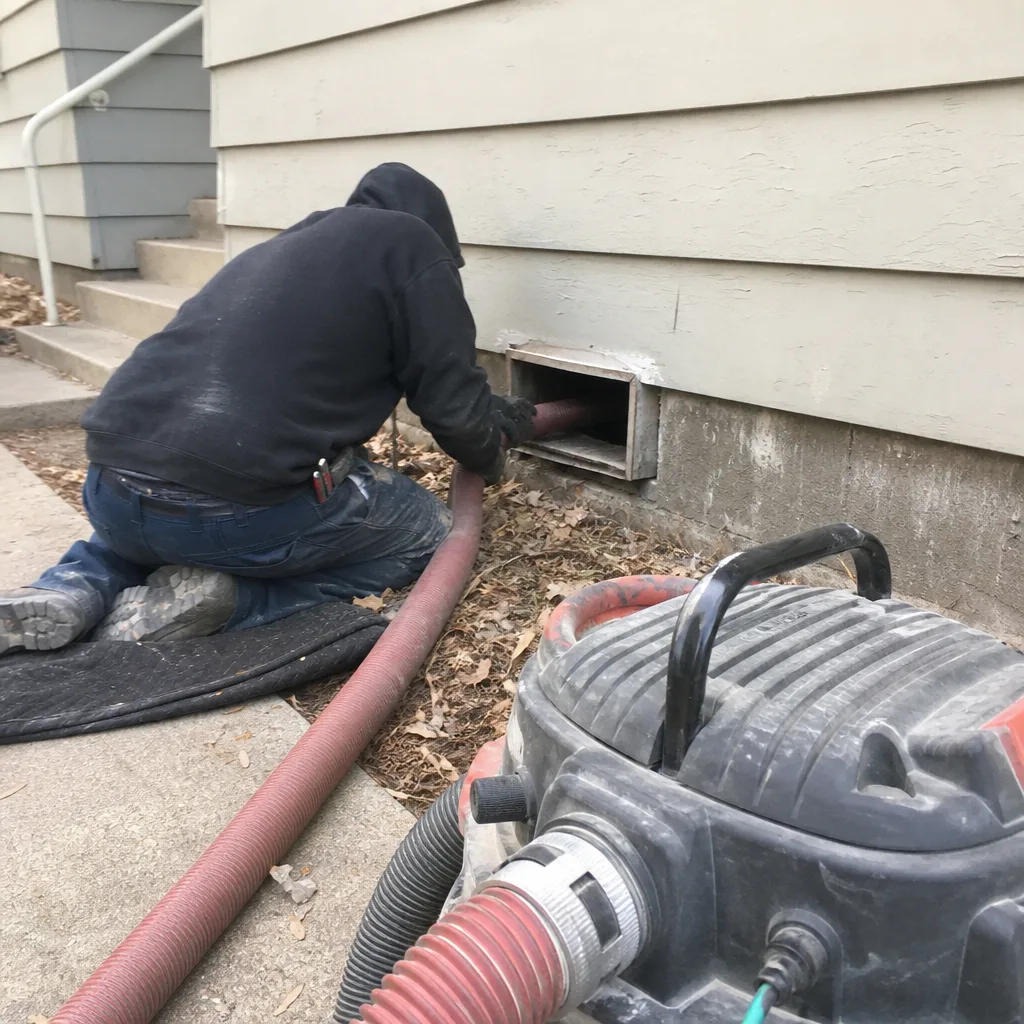 Before
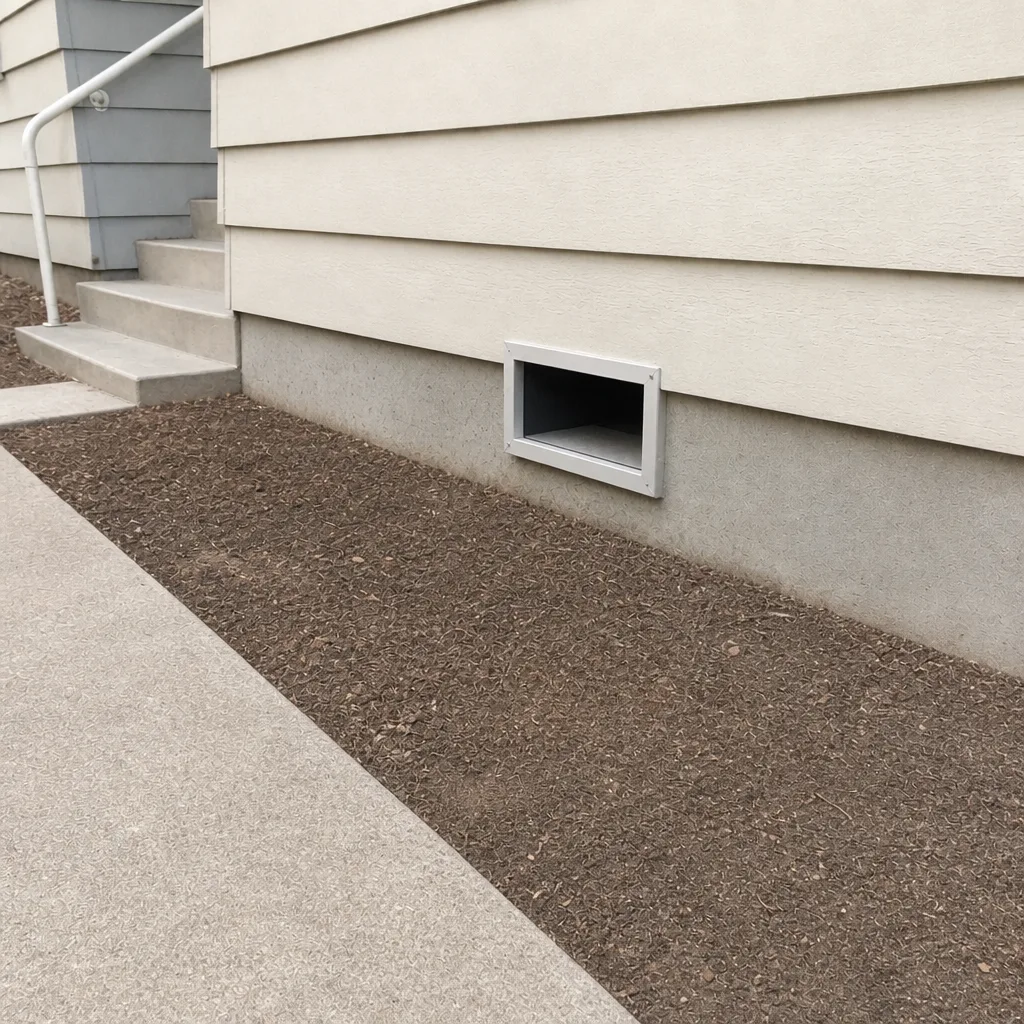 After
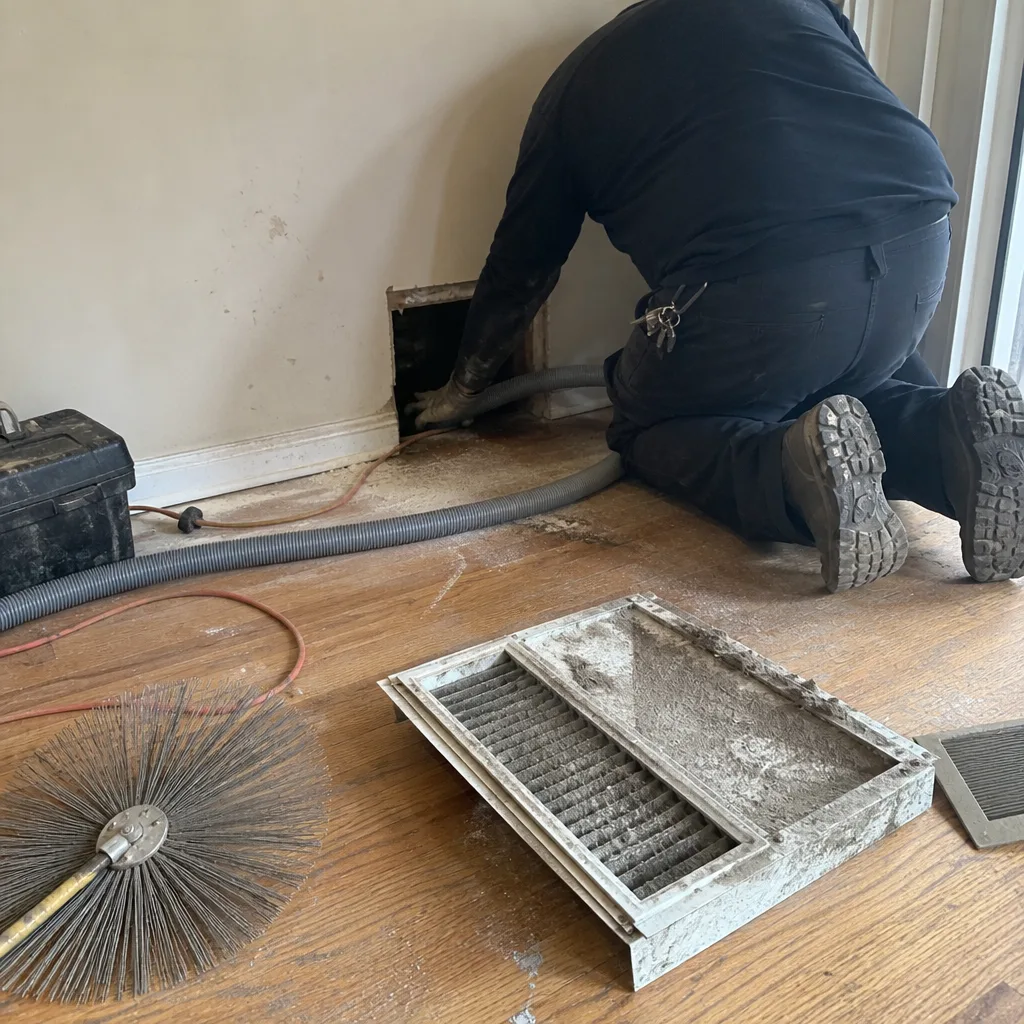 Before
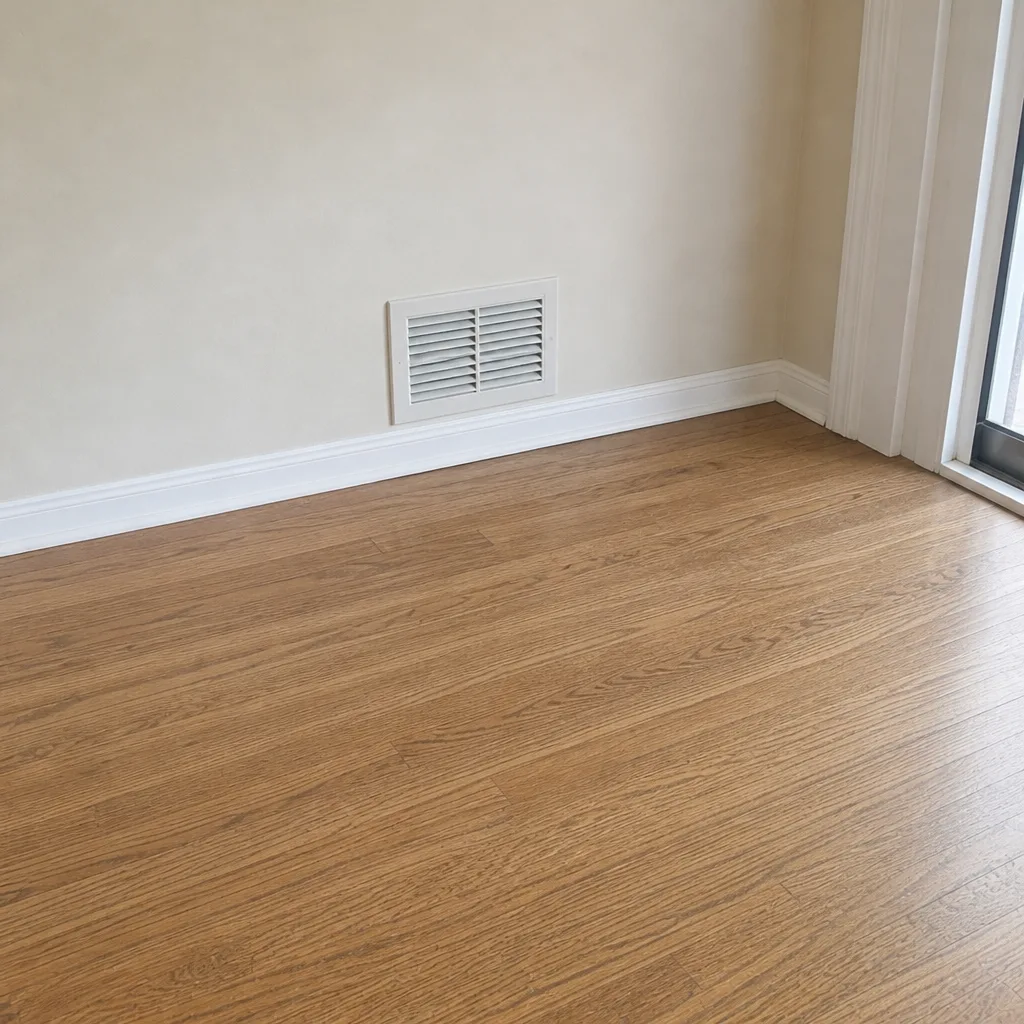 After
 Before
 After