
Last updated November 15, 2026
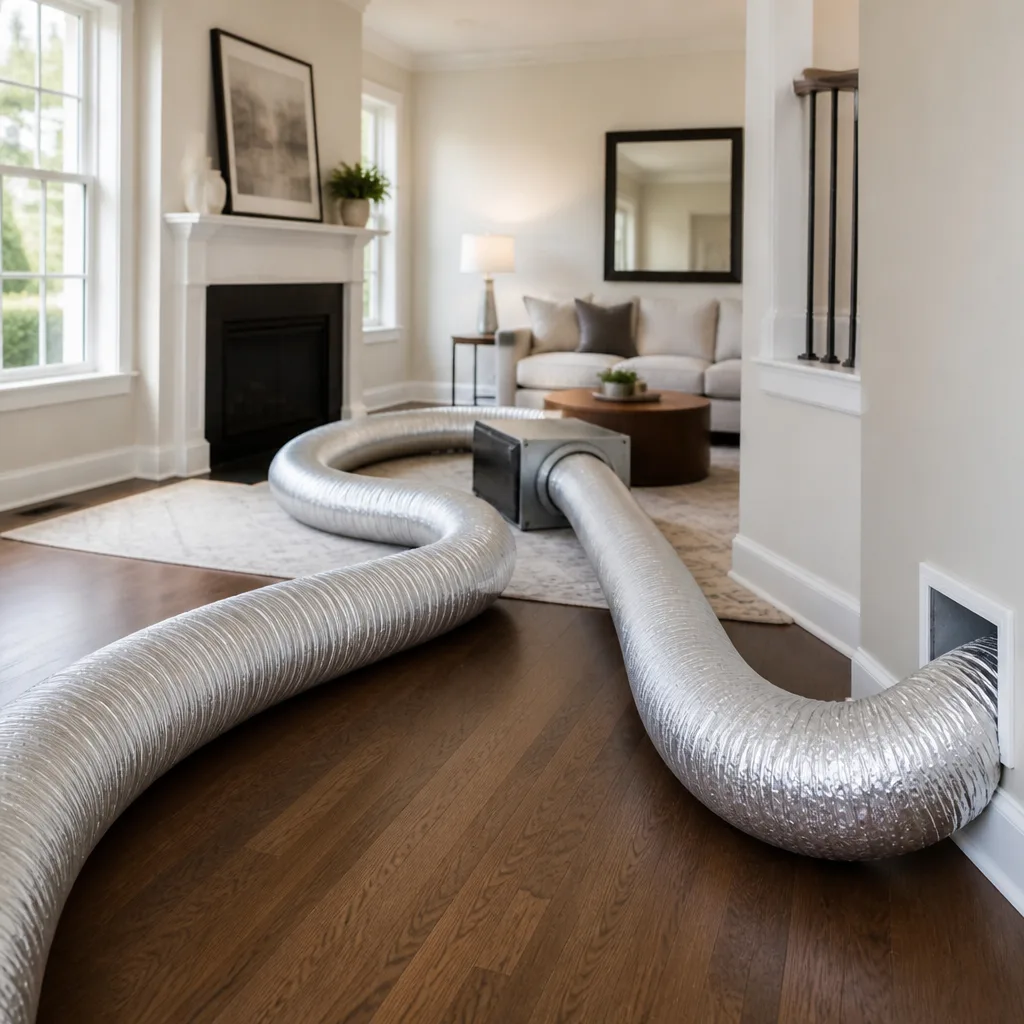 Whole-home duct cleaning
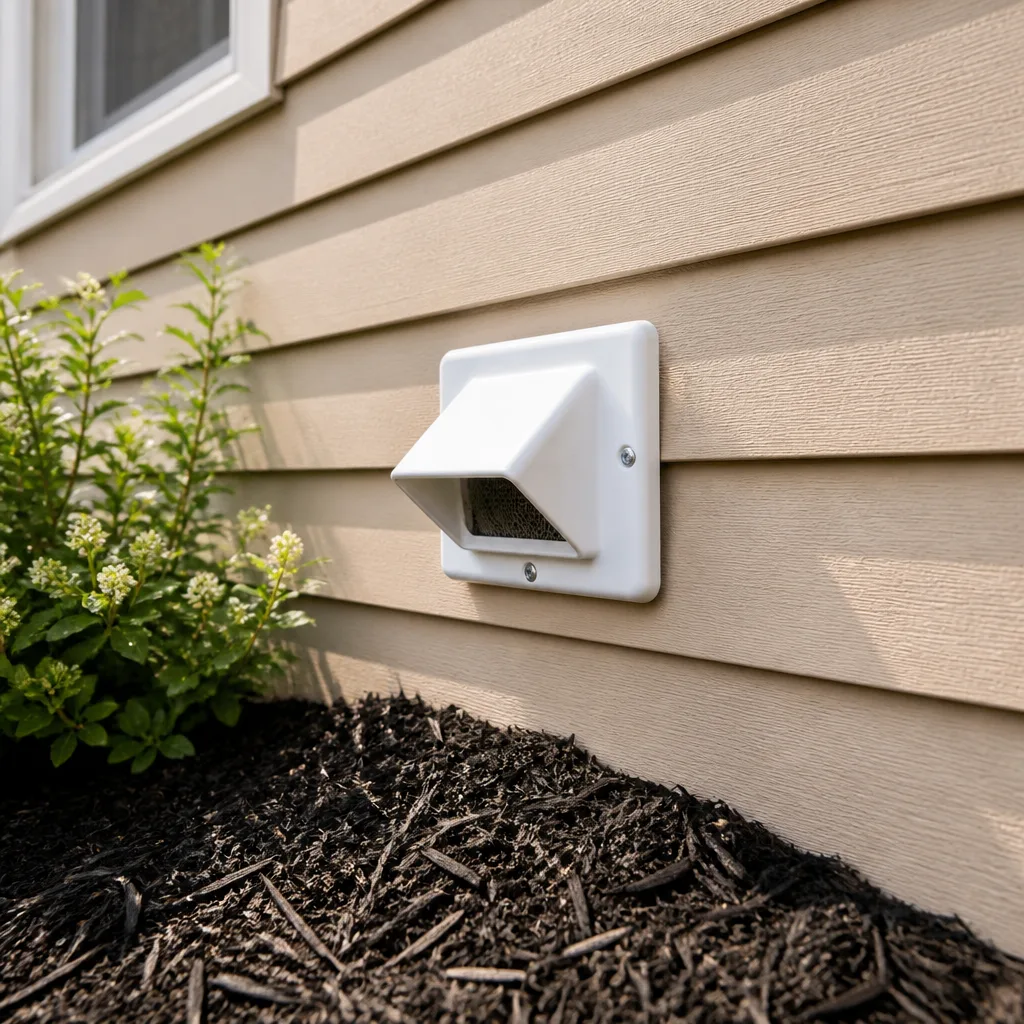 Dryer vent cleaning
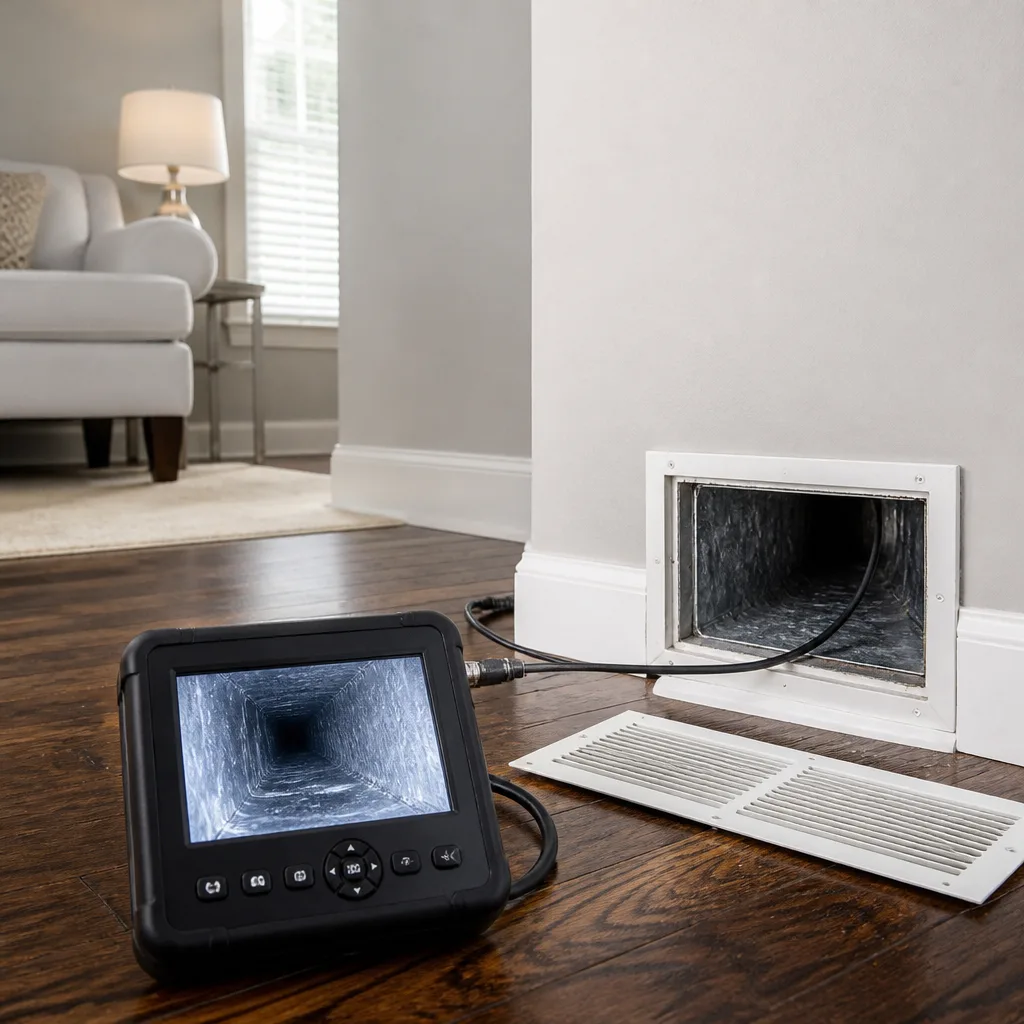 Camera inspection
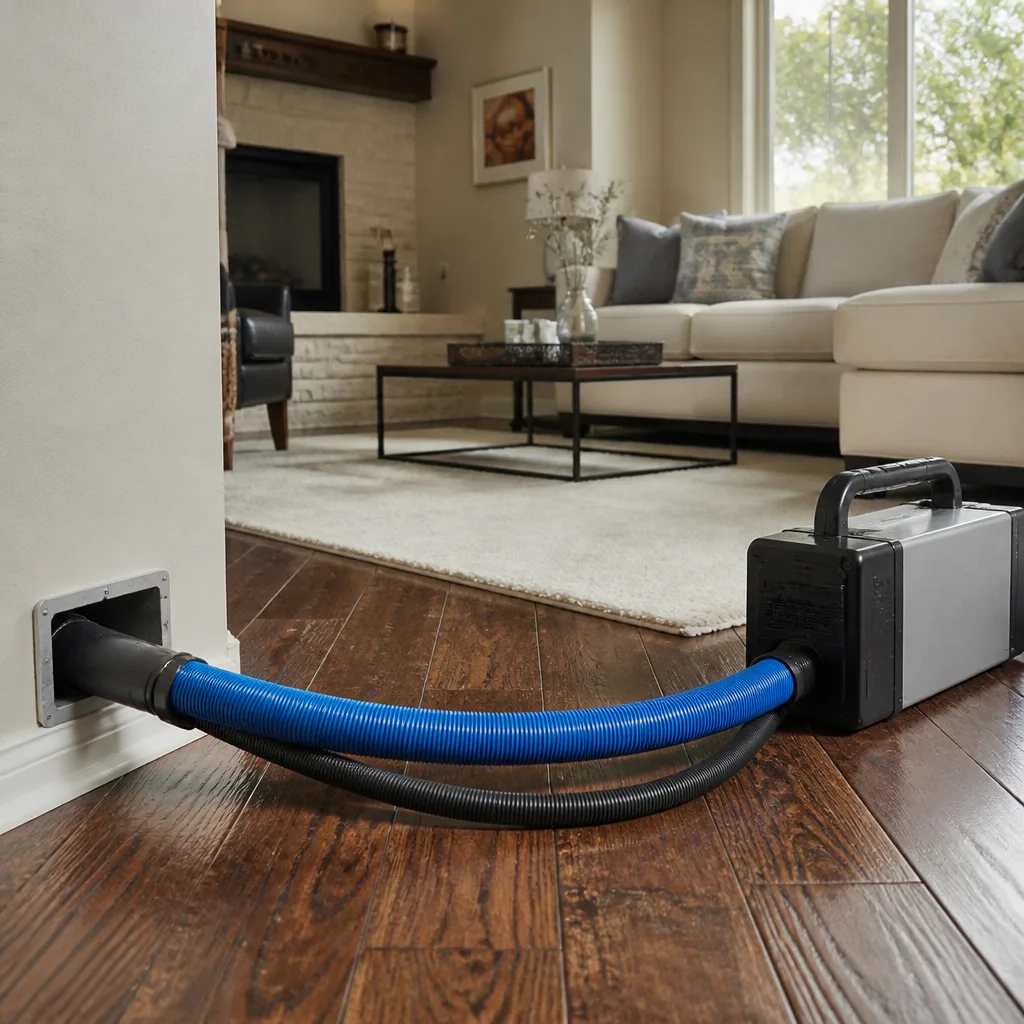 Sanitizing & deodorizing
Whole-system duct and dryer vent check with before-and-after photos - you see exactly what came out of your vents
That "$99 whole-house special" is a bait ad - the real number appears once they are in your hallway, or the "clean" is a shop-vac at the register. We photograph the inside of your ducts before and after instead.
The Complete Guide to Air Duct Cleaning in Lakewood
Most Lakewood homeowners who call us about dirty ducts don’t actually have a dirt problem. They have a system problem, and the dust and debris in the ductwork are simply how that problem announces itself. That reframe matters. If you treat duct cleaning as a one-time scrubbing, you might clear the symptoms and miss what caused them, whether that’s a leaking joint, an undersized return, or a dryer vent that’s been quietly overheating. This guide walks through how a professional-grade job actually works in Lakewood: the elevation and climate variables that shape what ends up in your ducts, what a real inspection looks like before any equipment runs, and how to tell source-removal cleaning from the blow-and-go operations that are common around here.
Quick Answer
Air duct cleaning in Lakewood is a source-removal process: a technician inspects the system with a camera and pressure readings, then uses professional-grade equipment like the Rotobrush rotary brush and Nikro HEPA vacuum to dislodge and capture debris from the duct walls rather than blowing it into your living space. The job is done right when you receive before-and-after documentation and a static pressure reading that confirms airflow improved. Cleaning alone doesn’t fix a system with leaking or disconnected ductwork, which is why the best outcomes often pair cleaning with repair on the same visit.
Styles & brands we work with
- Whole-home duct cleaning
- Dryer vent cleaning
- Camera inspection
- Sanitizing & deodorizing
Table of Contents
- Why Lakewood’s Elevation and Climate Change the Job
- The Debris Profile You’ll Actually Find in Lakewood Ducts
- What a Real Inspection Looks Like Before Cleaning Begins
- Source Removal vs. Blow-and-Go: The Difference That Matters
- Why Duct Repair Often Matters More Than Cleaning Alone
- Dryer Vent Cleaning: The Safety Service You Can’t Skip
- How to Read a Post-Cleaning Verification
- What Air Duct Cleaning Costs in Lakewood
Why Lakewood’s Elevation and Climate Change the Job
Lakewood sits at roughly 5,440 feet above sea level. At that elevation, air is thinner, less dense, and carries less mass per cubic foot than the air at sea level. Your HVAC blower is moving the same volume of air, but the mass flow rate drops, and the static pressure across the system behaves differently than it would in a lower-altitude metro. That has practical consequences for ductwork: systems sized for sea-level performance often run closer to their pressure limits in Lakewood, and small restrictions caused by debris buildup matter more than they would elsewhere.
The semi-arid Front Range climate adds a second layer. Low humidity year-round means dust stays airborne longer and settles more slowly, which gives it more time to be drawn into return grilles. The same dry air causes wood framing, drywall, and duct sealant to expand and contract with seasonal humidity swings, and over many cycles those joints can loosen. We’ve seen plenty of systems where the ducts weren’t actually dirty because of poor filtration; they were dirty because unfiltered air was being pulled in through gaps in the return.
Wildfire seasons on the Front Range have also reshaped the debris profile. Smoke carries fine ash particulate that can pass basic filters and accumulate on duct walls, especially in the return side. If a home ran a box fan or window units during a smoke event, that ash often bypassed filtration entirely.
- Elevation effect: lower air density means static pressure behaves differently, and restrictions matter more.
- Dry climate effect: longer airborne dust time and more joint movement from seasonal swings.
- Wildfire season effect: fine ash accumulation on duct walls and in return runs.
- Pine pollen season effect: heavy spring pollen loading into return grilles and supply boots.
None of those variables show up in a generic national guide, and they’re the reason a Lakewood duct cleaning job should be scoped to this specific place, not to a template.
The Debris Profile You’ll Actually Find in Lakewood Ducts
Walk into a Lakewood home and open the return plenum, and the material you’ll pull out usually falls into four recognizable categories. Knowing what’s there helps a technician select the right tooling and the right level of containment before any brush spins.
Soil particulate
The Front Range’s clay-heavy soils generate a very fine, powdery dust that clings to duct walls and combines with household moisture to form a light paste. Ordinary shop vac treatment doesn’t dislodge it; a rotary brush system that agitates the wall surface is what works.
Pine pollen
Spring pollen season in Lakewood is short but heavy. Pine pollen is coarse enough to be visible on surfaces yet fine enough to lodge in supply boots and register grilles. It’s the most benign of the four categories, but when it’s combined with the others it adds mass to the debris load.
Wildfire ash
Ash from Front Range wildfires is chemically different from household dust: it’s alkaline, fine-grained, and lodges on duct walls in a thin, sticky layer. This is one area where the difference between a professional-grade HEPA-filtration vacuum and a shop vac becomes obvious. Without HEPA capture at the source, ash can re-entrain and coat the room you’re trying to clean.
Construction and renovation dust
Drywall dust from renovations, and dust from new-build projects, is the hardest on ductwork because the particles are angular and abrasive. It also acts as a bonding agent, holding other debris against the wall. In our experience, kitchens and main-floor returns in Lakewood are the most reliable places to find this layer.
What the profile means for the job
Because these categories behave differently, a proper cleaning sequence is not one pass with one tool. The right sequence usually looks like this:
- Contain the work area with negative pressure and sealing.
- Agitate duct walls with a rotary brush sized to the run.
- Pull debris back to the HEPA vacuum at the source, not toward living space.
- Treat the transition areas and boots, which hold debris longer than straight runs.
- Verify with before-and-after photos of the same runs.
What a Real Inspection Looks Like Before Cleaning Begins
No legitimate air duct cleaning job starts with a vacuum truck at the curb. It starts with inspection, and inspection in a well-run operation means two things: camera scoping and static pressure measurement. If a technician quotes you a cleaning price before either happened, the quote is a guess.
Camera scoping
A small camera on a flexible line goes into return and supply runs through a register opening or access cut. The technician looks at wall condition, evidence of moisture, joint integrity, and the type of debris layer. Camera scoping in Lakewood also reveals whether the debris is locally sourced (soil, pollen) or introduced (renovation dust), which affects the cleaning approach.
Static pressure readings
Static pressure is the resistance your blower is working against. Readings above normal are one of the clearest indicators that the system is restricted, whether by clogged ducts, undersized returns, or failing joints. What matters here is that the reading is taken before cleaning and again after: the delta is the evidence that the cleaning actually changed something. A cleaning that doesn’t shift the reading is difficult to justify.
Airflow and register checks
Simple but effective: a technician checks that every supply register has measurable airflow and that returns aren’t starved. Chasing a “cold room” complaint through air-balancing often leads straight to duct findings.
What the inspection should tell you
- Whether cleaning is warranted at all, or whether the problem is a leak or balance issue.
- Whether any ducted runs show signs of moisture that need addressing before cleaning.
- Whether the dryer vent should be checked on the same visit.
- Whether any joints or transitions need repair before cleaning, because cleaning a compromised duct system can redistribute debris.
Inspection also is where we decide whether the job calls for standard cleaning equipment or contamination-level remediation gear. Rotobrush and Nikro systems cover the standard tier; Abatement Technologies equipment is the tier that comes out when findings call for it. But the tool choice is downstream of the inspection, not the other way around.
Source Removal vs. Blow-and-Go: The Difference That Matters
Source removal is the industry standard for duct cleaning, and it’s what you should expect when you hire a professional. It means the debris is physically dislodged from the duct wall and captured at the source by a HEPA-filtration vacuum, not simply disturbed and left to re-settle elsewhere in the system or in the room.
Blow-and-go operations work the opposite way. A truck-mounted blower pushes compressed air into the ducts, the dust gets knocked loose, and it’s drawn toward a collection point. If the collection unit isn’t HEPA-grade, or if the ductwork has leaks, a portion of that debris ends up exactly where you didn’t want it: in the living space, or in the rest of the system. Blow-and-go has its place in some commercial settings, but as a residential routine cleaning method in Lakewood it’s the wrong tool for most jobs.
How to tell them apart
- Ask what vacuum they use. HEPA-filtration is the standard. A consumer-grade or shop-vac setup is not.
- Ask whether they agitate duct walls. Rotary brush systems exist precisely to scrub debris off the wall surface. Blowing alone doesn’t.
- Ask for a pre-cleaning inspection. A blow-and-go operator usually skips the camera scope and static pressure reading.
- Ask about before-and-after photos of the same runs. Vague photos don’t count. The same run, before and after, is the evidence.
- Ask if they can repair what they find. An operator who only cleans has to refer you out when a joint turns out to be leaking.
Our approach is the source-removal one because that’s what actually moves the needle on airflow and indoor particulate counts. The systems we run (Rotobrush and Nikro) are purpose-built for this work, and they’re the same class of equipment a commercial restoration contractor would use for a contamination job.
Why Duct Repair Often Matters More Than Cleaning Alone
Here is the finding that changes how Lakewood homeowners should think about duct cleaning: a duct system with a 15% leak rate can pull in more unfiltered outdoor air than a dirty filter ever lets through. Cleaning the ducts without repairing the leaks is a temporary fix. Within a season or two, the new debris layer looks just like the old one.
Duct leaks are common in Lakewood because of age and materials. Disconnected or poorly sealed joints, sagging flex runs, and boot-to-floor gaps are the usual suspects. When we camera-scope a system and find a disconnected run in a crawlspace or a sagging return with a failed seal, the cleaning addresses the surface and the repair addresses the source. Doing both on the same visit is the advantage a full-service contractor has over one that only cleans.
Signs your system likely needs repair, not just cleaning
- Some rooms are consistently colder or warmer than the rest of the house.
- You can hear whistling or hissing at registers.
- Static pressure is elevated even after cleaning.
- Visible dust streaks or settling at joints or boots.
- Dust returns quickly after a cleaning.
- System was installed before recent sealing standards and has never been touched.
How repair fits into the cleaning visit
When we’re on site, the sequence is usually: inspect, diagnose, clean where cleaning is warranted, repair what the inspection flagged, then re-measure static pressure to confirm the repair actually helped. That last step is the one that closes the loop, and it’s why we treat cleaning and repair as a paired capability rather than two separate services you’d call different businesses for.
Dryer Vent Cleaning: The Safety Service You Can’t Skip
Dryer vent cleaning is not an upsell. It’s fire-risk reduction, and it belongs in the same conversation as duct cleaning because both are about removing accumulated debris from the paths air has to travel through. Lint accumulation in the exhaust line is one of the leading causes of residential fires, and it’s a slow, invisible buildup. The dryer runs a little hotter each month and nothing in the appliance’s design tells you until something fails.
What a proper dryer vent cleaning covers
- Disconnect the dryer and inspect the full exhaust run, including the hidden section behind drywall.
- Remove lint and debris from the transition duct and the whole line to the exterior vent.
- Verify the exterior vent flap works and there’s no obstruction at the discharge point.
- Reconnect, test airflow, and confirm the dryer’s exhaust is unobstructed.
Warning signs you’re overdue
- Clothes take noticeably longer to dry than they used to.
- The dryer gets hot to the touch or the exterior vent flap doesn’t open fully.
- Burning smell after a cycle.
- Visible lint around the exterior vent.
- You’ve moved into a home and don’t know when the vent was last cleaned.
If any of that sounds familiar, treat it as a today problem, not a this-year problem. It’s also worth checking the dryer vent whenever the ducts are being cleaned, since one service visit can cover both air paths your home runs every day.
How to Read a Post-Cleaning Verification
Verification is the part of the job most customers don’t know to ask for, and it’s the part that separates a provable job from a story. Here’s what a legitimate contractor hands you when the work is finished:
- Before-and-after photos of the same duct run, taken from the same camera position. Not a random mix of shots; the same run.
- Post-cleaning static pressure reading compared to the pre-reading. This is the objective number that shows airflow changed.
- A written summary of what was found during inspection, including any repair that was recommended or completed.
- Confirmation of dryer vent work separately from duct cleaning, with the vent tested at the end.
- Any equipment notes relevant to your system, especially if you have Honeywell or Aprilaire components in play.
If you didn’t get those items, the verification step didn’t happen. When the job is thorough, we walk the customer through before-and-after photos of their own ducts and explain what the pressure reading meant. That transparency is the entire point: cleaning is a service you’re paying for, and you should be able to see what was removed.
What Air Duct Cleaning Costs in Lakewood
Pricing for air duct cleaning is per-system, not per-vent. The whole-home job is quoted as a complete service, and the written estimate is the final word on what you’ll pay. A per-vent quote that looks attractive on paper often turns into a much larger invoice once a technician is on site and starts counting vents one by one.
Typical estimated ranges for Lakewood duct work look roughly like this:
- Standard whole-home air duct cleaning: typically in the $350 to $700 range for a single system, and higher for larger homes or dual systems.
- Deep or contamination-level cleaning: typically higher because it involves additional containment equipment and longer on-site time.
- Duct repair (sealing, reconnecting, or replacing compromised runs): priced per job after inspection, since the scope varies with what’s found.
- Dryer vent cleaning: typically in the $120 to $220 range for a single vent run, and higher for long or complicated runs.
Those figures are estimates, not quotes. The written estimate after inspection is what actually sets the price, and a reputable operation will put it in writing before any work begins. If a company can’t or won’t put a price in writing before starting, that’s your signal to call someone else.
Common Mistakes to Avoid
- Hiring on price alone. The cheapest coupon-mailer operation in any market is usually the cheapest because the scope is thin. Ask what equipment will be on site and how debris is captured.
- Assuming cleaning is the whole answer. If your ducts have been cleaned before but the problem came back within a season, there’s likely a leak or balance issue that cleaning alone won’t fix.
- Skipping the pre-inspection. A price given before camera scoping and static pressure readings is a number without a scope. Insist on the inspection.
- Treating dryer vent cleaning as optional. Lint accumulation in the vent is a fire risk, and Lakewood’s dry climate makes lint combustion more likely, not less.
- Not asking for verification. Before-and-after photos of the same runs plus a post-cleaning pressure reading is the industry standard for a verifiable job. If you don’t get them, ask why.
- Believing the per-vent quote. Per-vent pricing is where the bait-and-switch reputation of this industry comes from. Ask for a flat price per system, agreed in writing before work starts.
- Overlooking the equipment question. Shop vacs and consumer-grade blowers put particulate back into the air. Professional-grade HEPA-filtration equipment captures it at the source.
See the difference
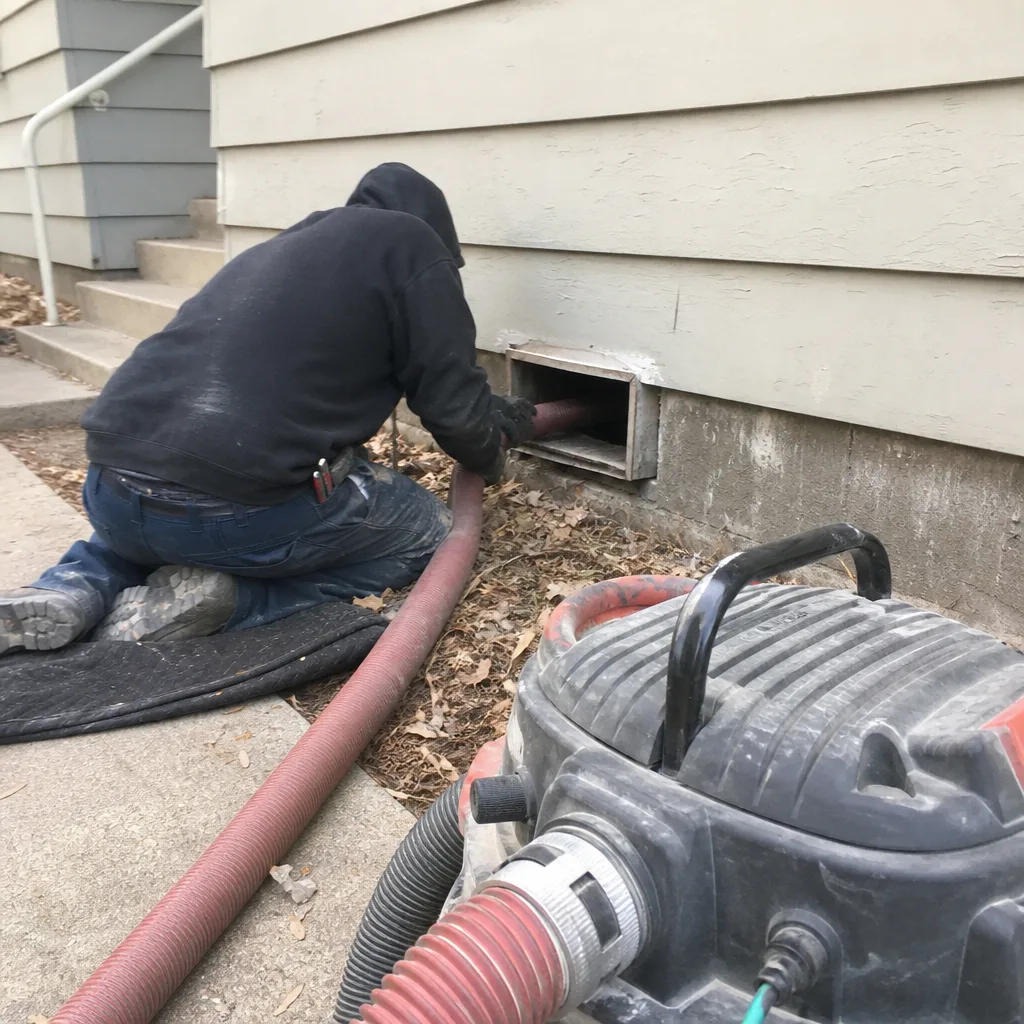 Before
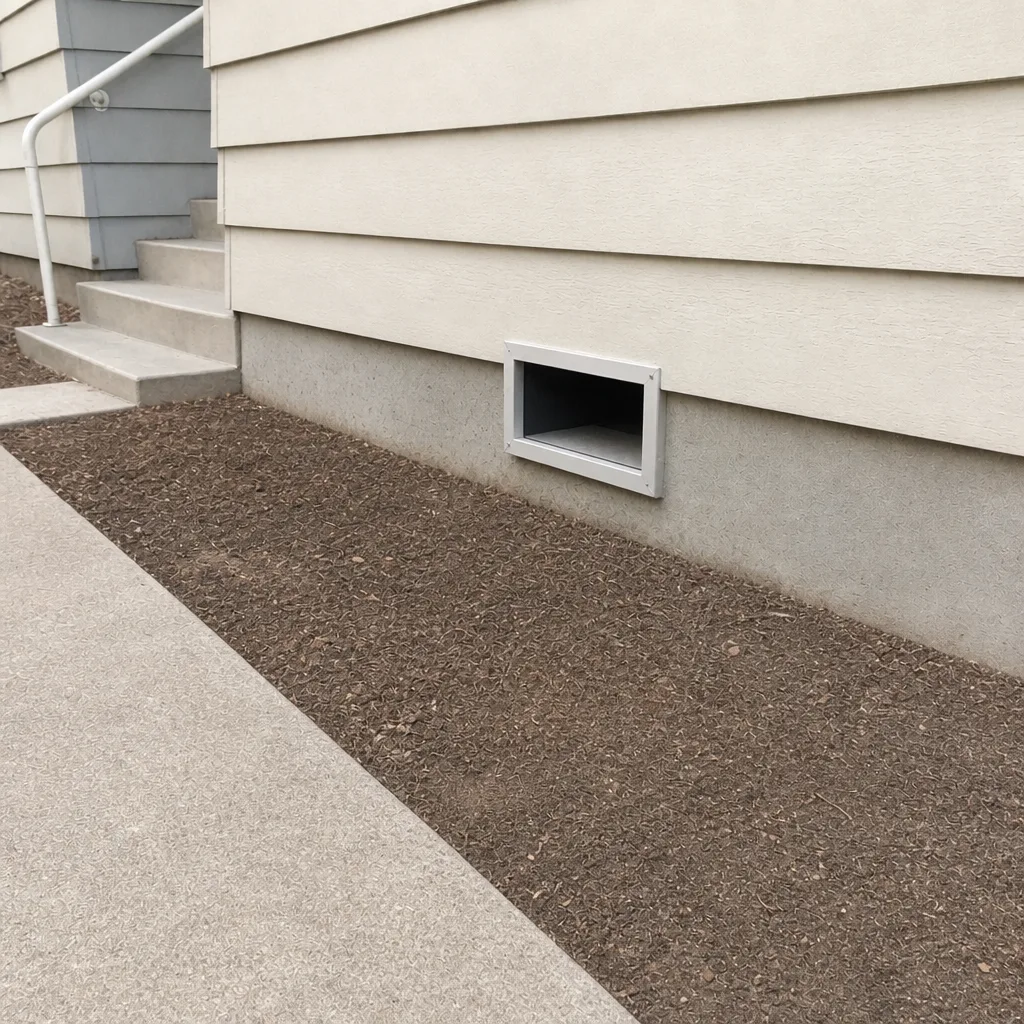 After
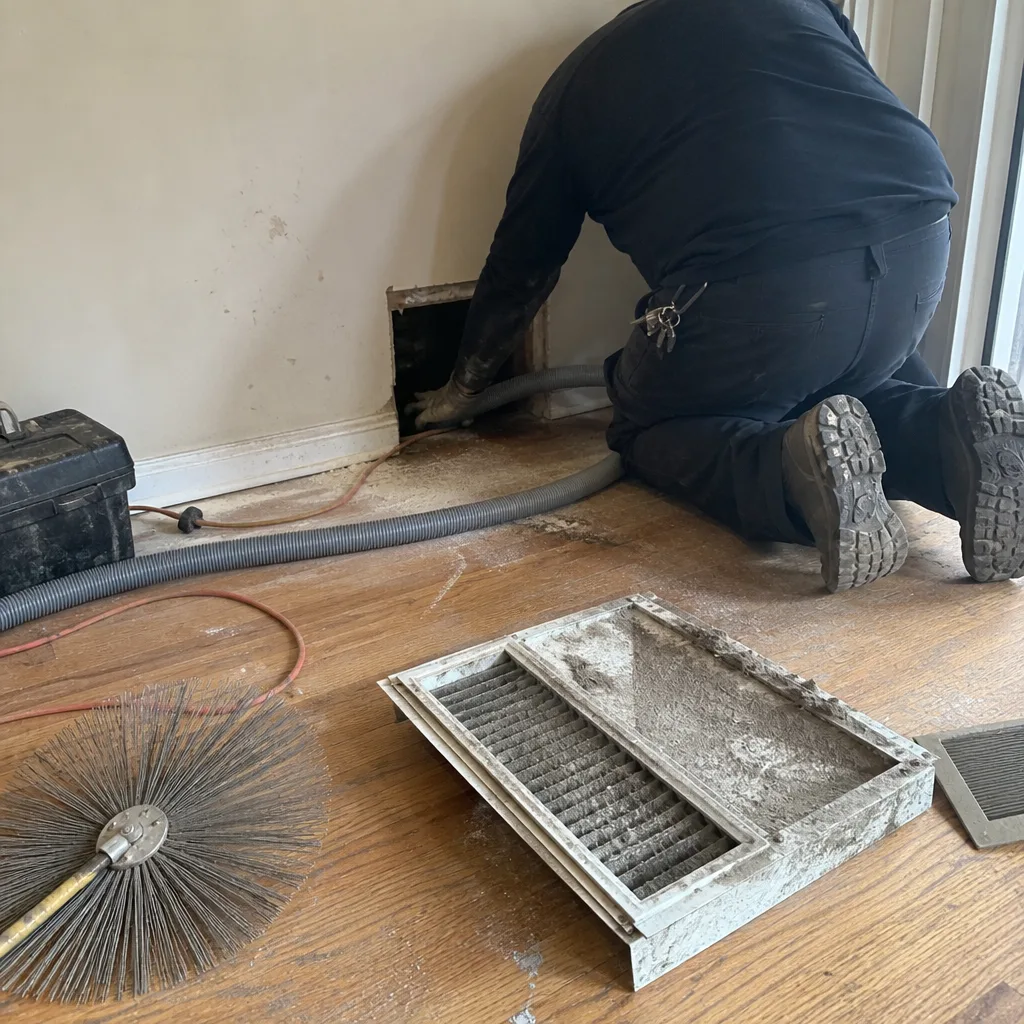 Before
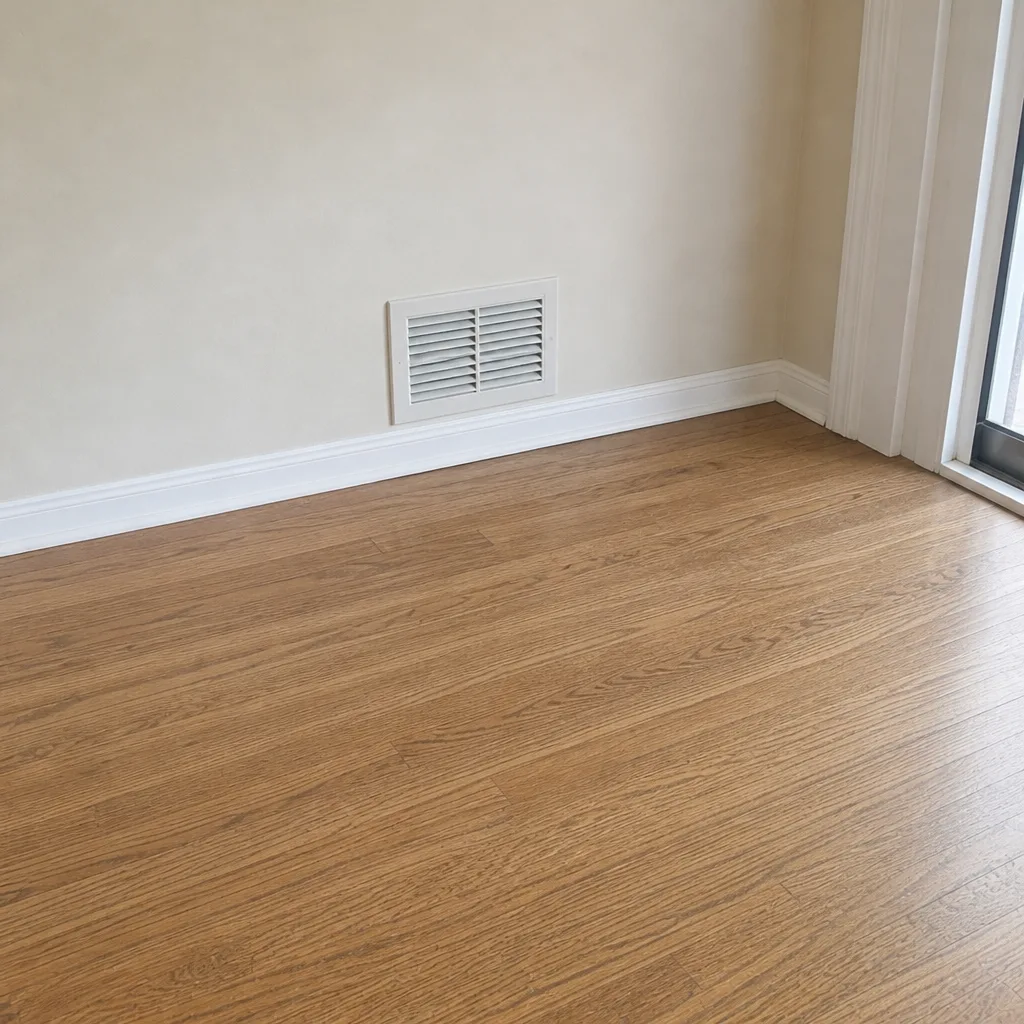 After
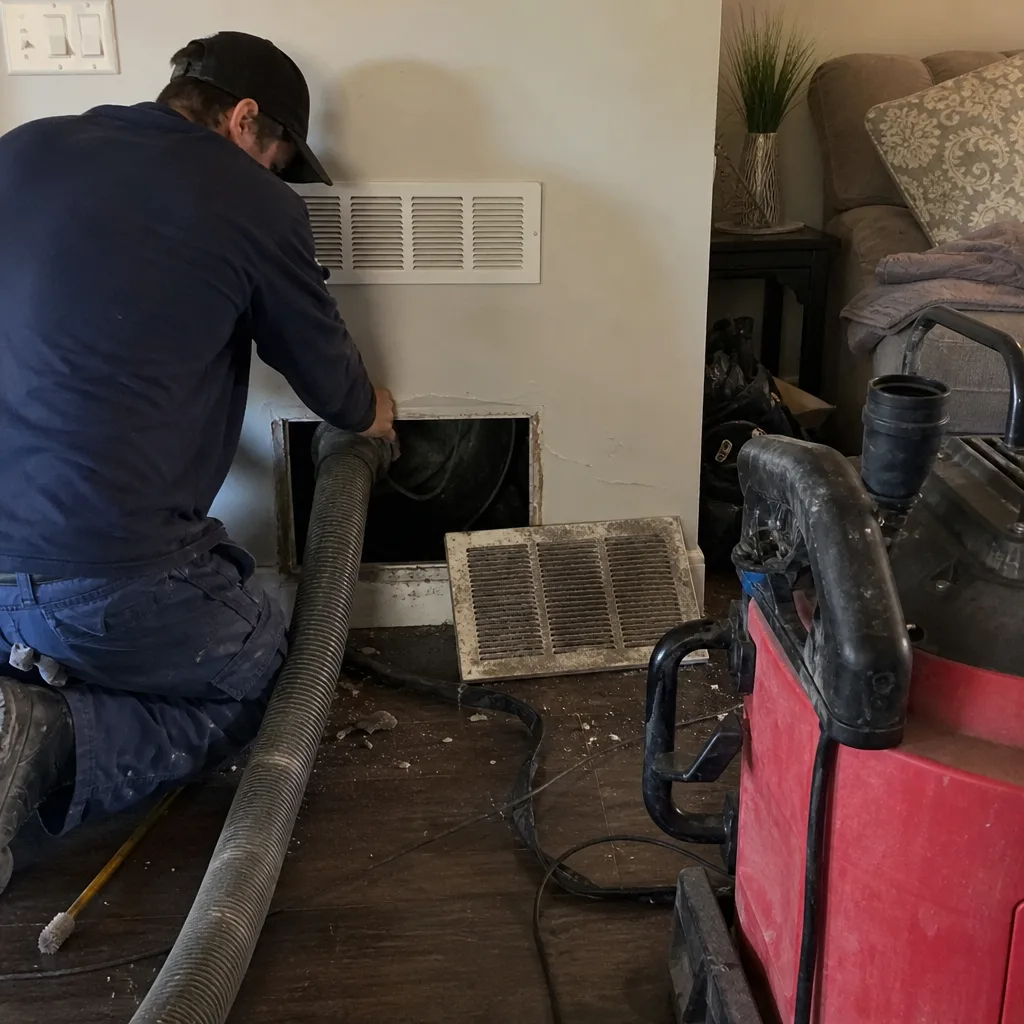 Before
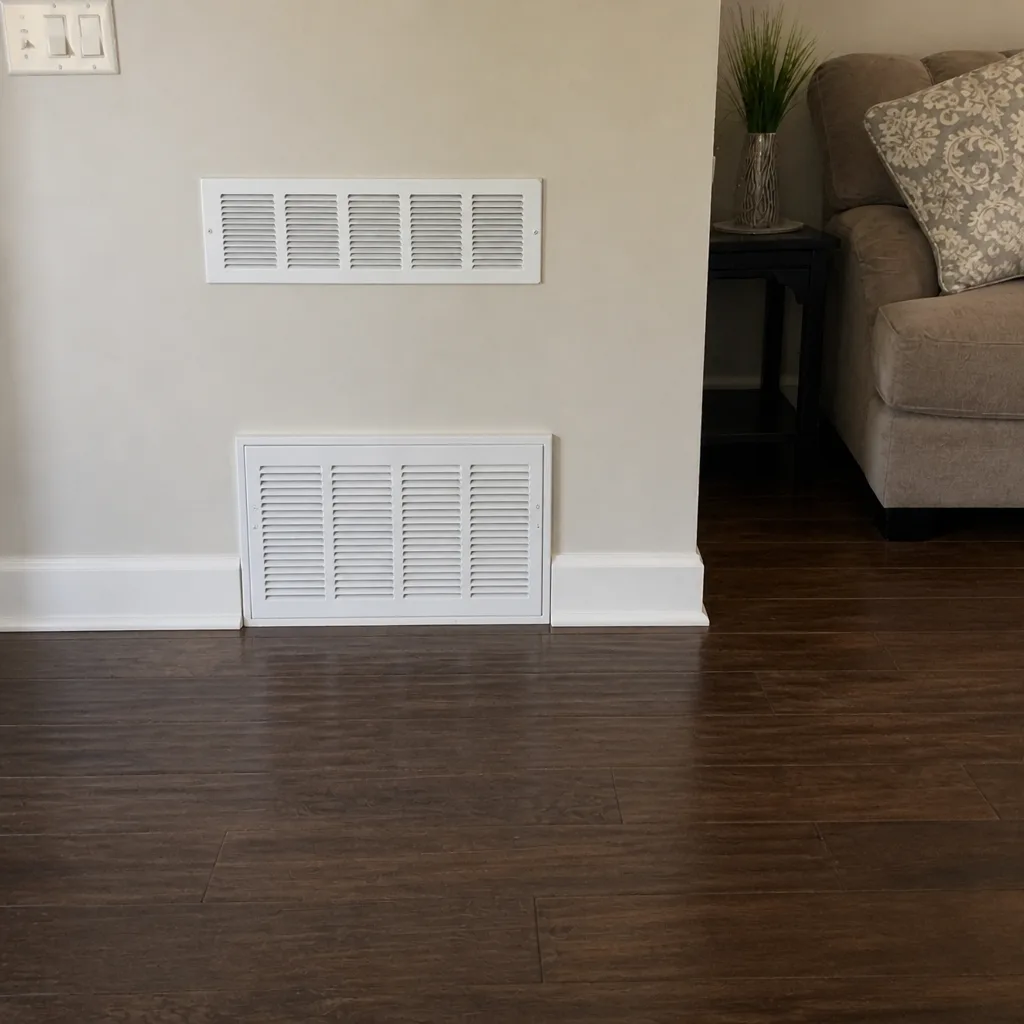 After
When to Call a Professional
Some homeowner fixes are worth taking on. Ductwork isn’t usually one of them, because the tools, containment gear, and inspection equipment are what make the difference between a good job and a distribution problem. Call a professional if any of these apply: your ducts have never been cleaned and the home is more than a decade old, you’re moving into a new home and don’t know the service history, allergies or asthma symptoms have been building, you’ve recently finished a renovation, the dryer runs hot or takes longer than it used to, or an HVAC contractor mentioned airflow readings outside the normal range. Lakewood Duct Cleaning offers free estimates in Lakewood – call (844) 914-0778 when any of these scenarios fit.
Frequently Asked Questions
Most homes benefit from a professional cleaning every three to five years, provided the system is sealed and the filter is changed regularly. Homes with pets, recent renovations, high allergy sensitivity, or a history of wildfire smoke exposure often benefit from a shorter interval. The right interval depends on what the inspection finds, not on a calendar.
Typical estimates for a standard whole-home duct cleaning in Lakewood land in the $350 to $700 range. Contamination-level cleaning, repairs, and dryer vent work are priced separately. The written estimate after inspection sets the final price. Call (844) 914-0778 for an exact quote – estimates are free.
Cheap quotes usually reflect a thin scope: less time on site, thinner equipment, and often a per-vent structure that grows as the visit continues. A $99 coupon often reflects a $99 scope. Ask what equipment will be on site, whether the cleaning includes source removal with HEPA capture, and whether you’ll receive before-and-after documentation. Call (844) 914-0778 to talk through a whole-system estimate – the price is agreed before any work starts.
You’ll know because a legitimate contractor hands you before-and-after photos of the same duct runs, a post-cleaning static pressure reading, and a written summary of findings. If the contractor can’t show you those, assume the verification didn’t happen. We walk customers through their own before-and-after photos as part of the job. Call (844) 914-0778 if you want to see how a verified cleaning is documented.
If a first cleaning resolved the problem and it hasn’t returned, cleaning alone was sufficient. If dust, cold rooms, or airflow complaints keep coming back, the issue is likely a leak, a disconnected run, or an undersized return – and that’s a repair, not a repeat cleaning. A camera scope during inspection will tell you which you’re facing. Call (844) 914-0778 to schedule an inspection that includes both.
Yes. We’re familiar with systems built on Honeywell, Aprilaire, and Guardsman platforms, and we’re careful not to disturb sensors or controls during cleaning. When the inspection reveals that an inline air-quality component needs attention, we note it in the written summary so a specialist can address it.
The elevation doesn’t change the cleaning method, but it does change how the system behaves. Static pressure readings at 5,440 feet look different from sea-level readings, and the diagnostic step has to account for that. The practical takeaway: a technician who knows Lakewood’s elevation profile reads the numbers more accurately than one running a generic template.
The Bottom Line
Duct cleaning in Lakewood is best understood as a diagnostic exercise with a cleaning step attached. The debris tells you what kind of problem the system has, the camera scope and static pressure readings tell you where the problem lives, and source-removal cleaning with HEPA capture resolves what’s cleanable while repair resolves what isn’t. The dryer vent belongs in the same visit for safety reasons, and the before-and-after documentation is what makes the whole thing verifiable. If you take one thing from this guide: a real duct cleaning starts with inspection, ends with verification, and treats the elevation and climate variables here as part of the job. Call (844) 914-0778 for a free estimate. We answer 24/7. Fast dispatch from 7am to 7pm, Sunday through Friday.
See how we approach air duct cleaning and dryer vent cleaning as full services, and learn more about Lakewood Duct Cleaning if you want the overview.
Written by the team at Lakewood Duct Cleaning.