
Last updated November 15, 2026
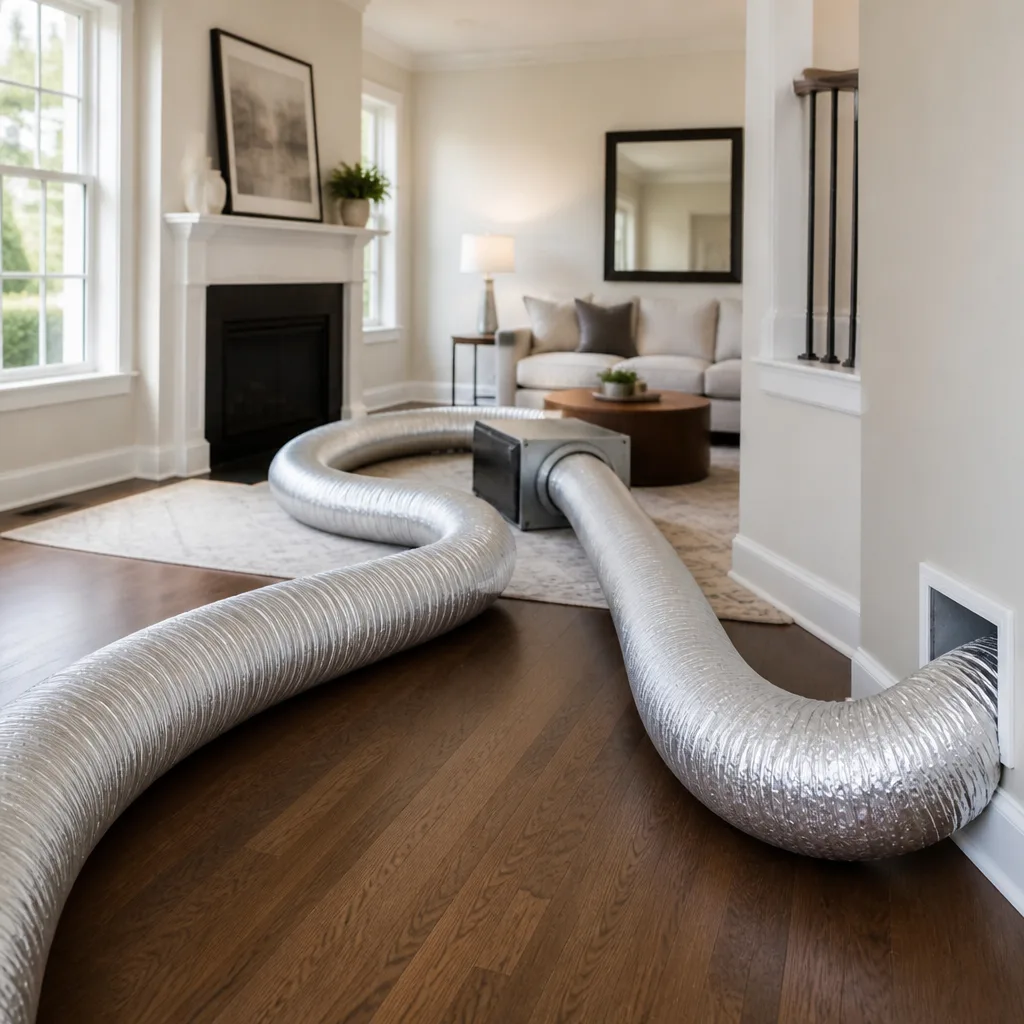 Whole-home duct cleaning
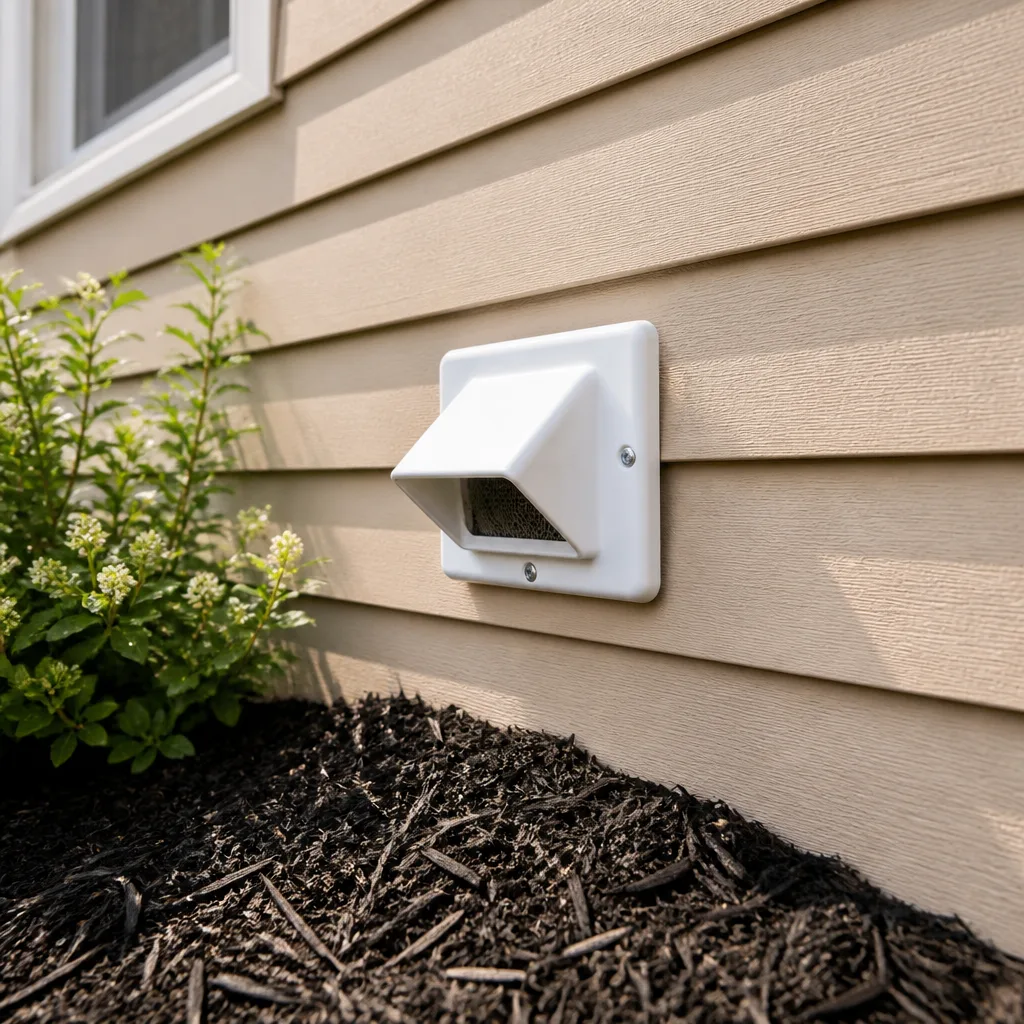 Dryer vent cleaning
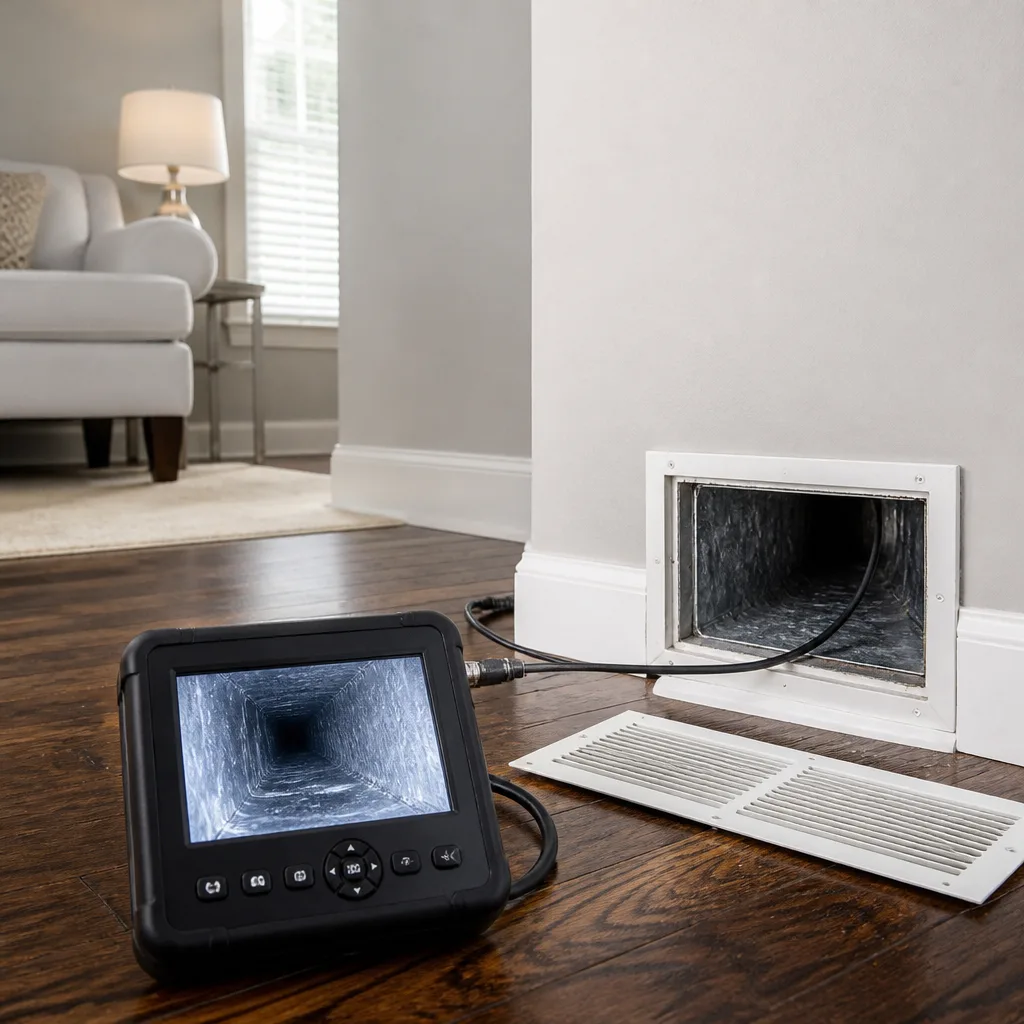 Camera inspection
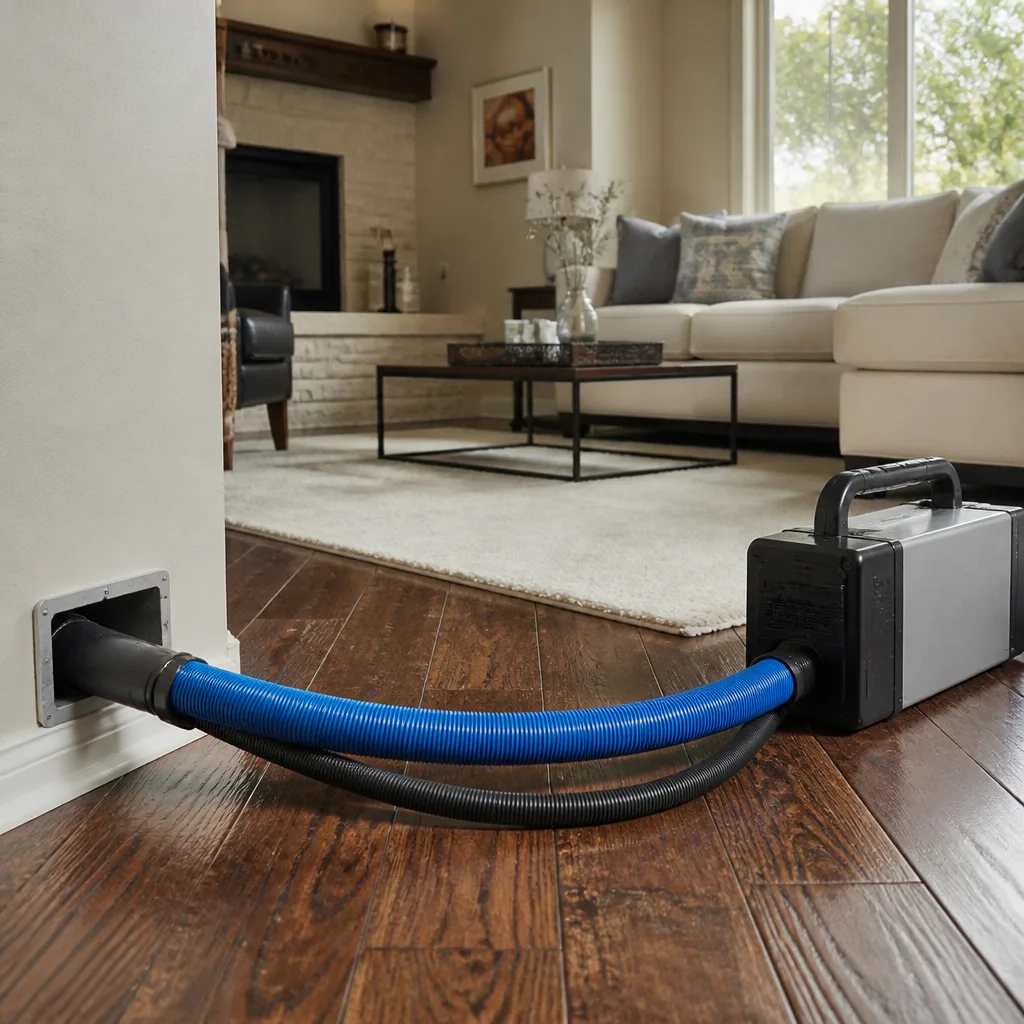 Sanitizing & deodorizing
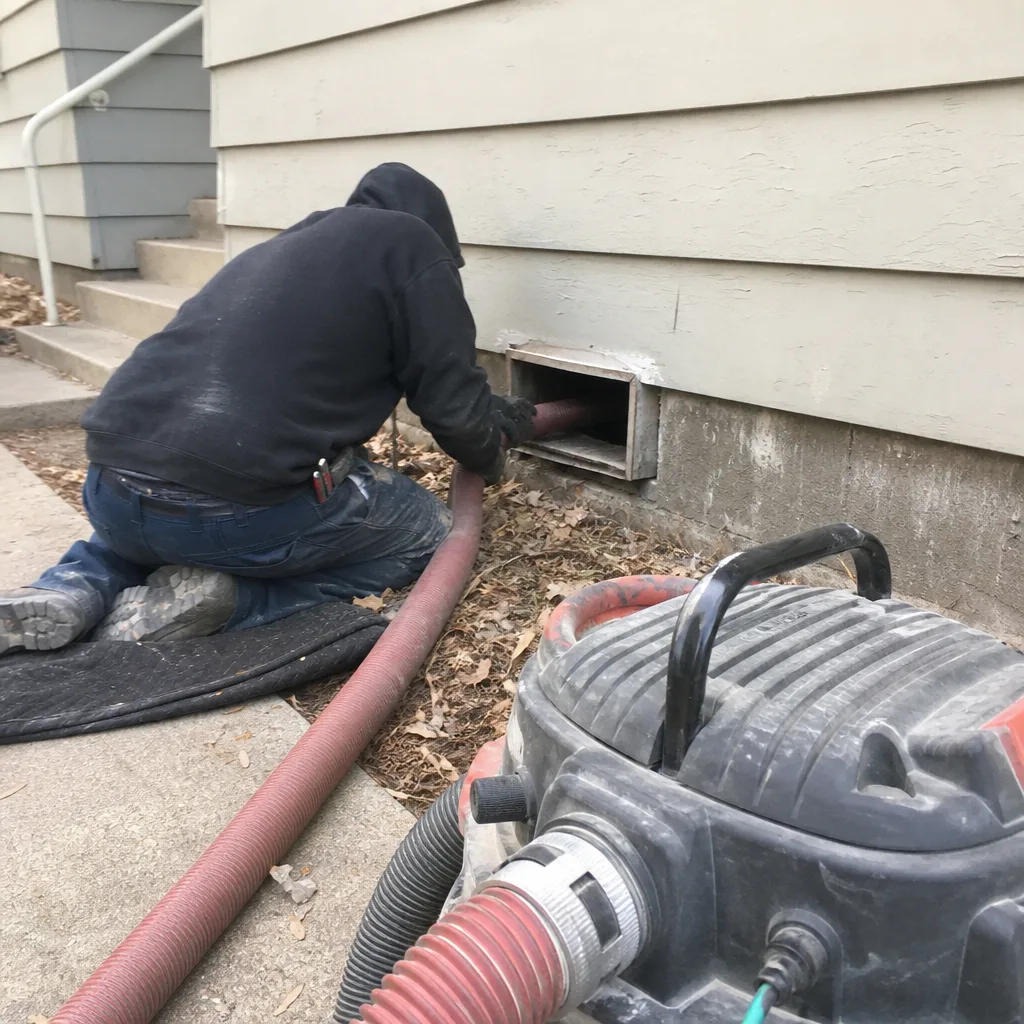
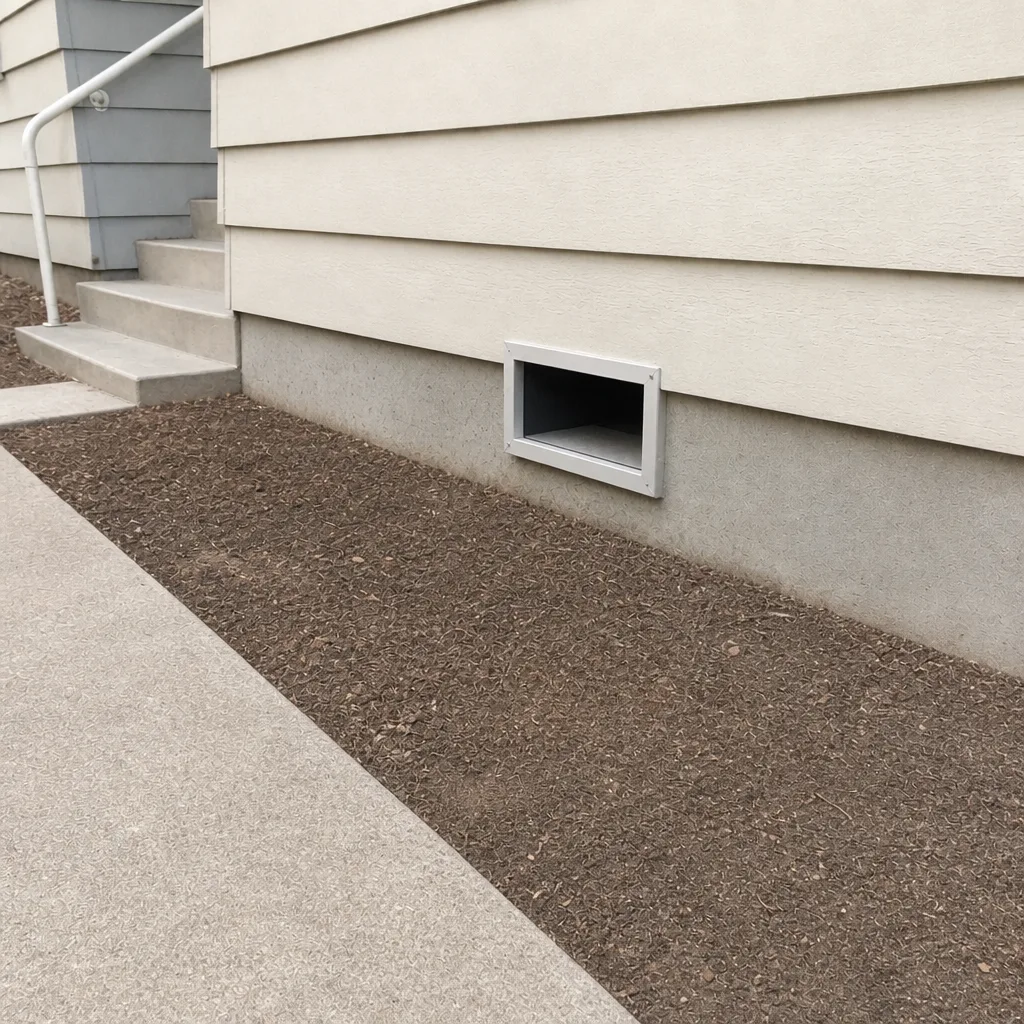
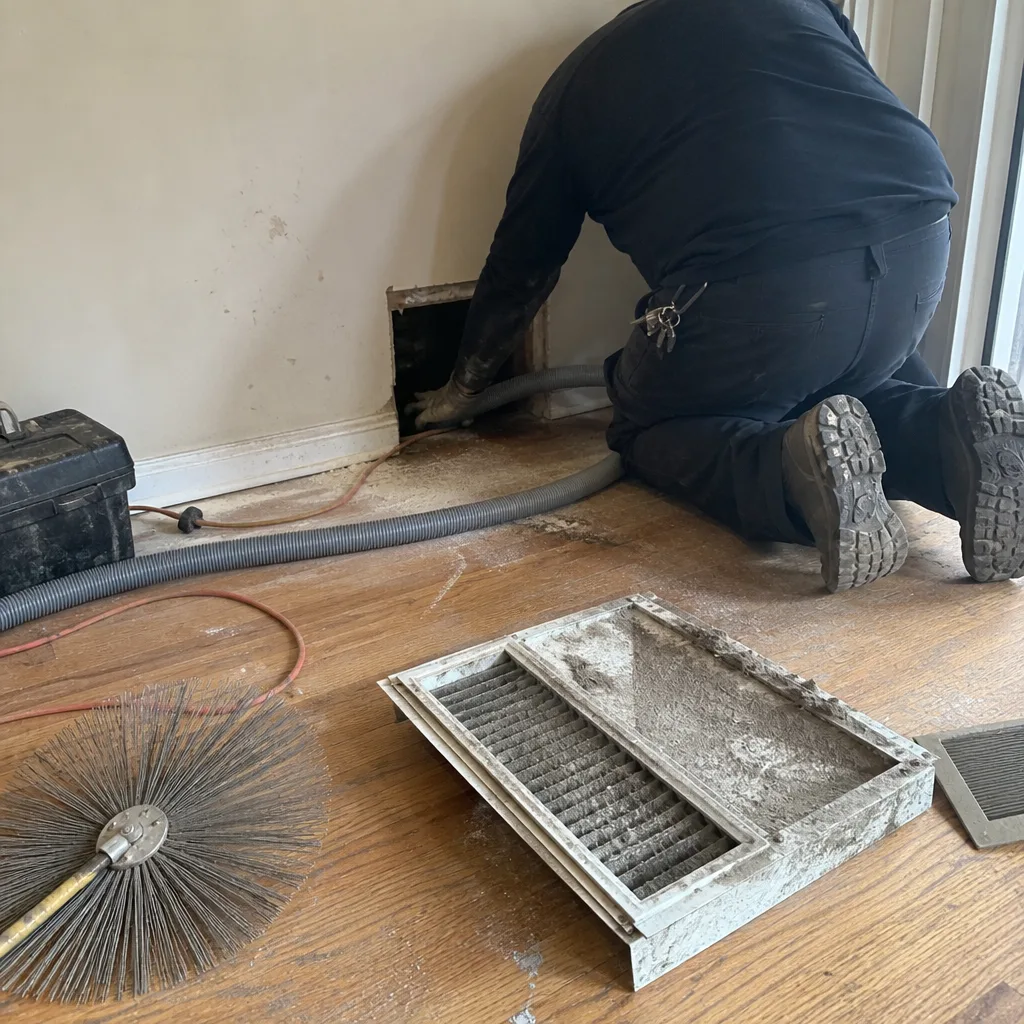
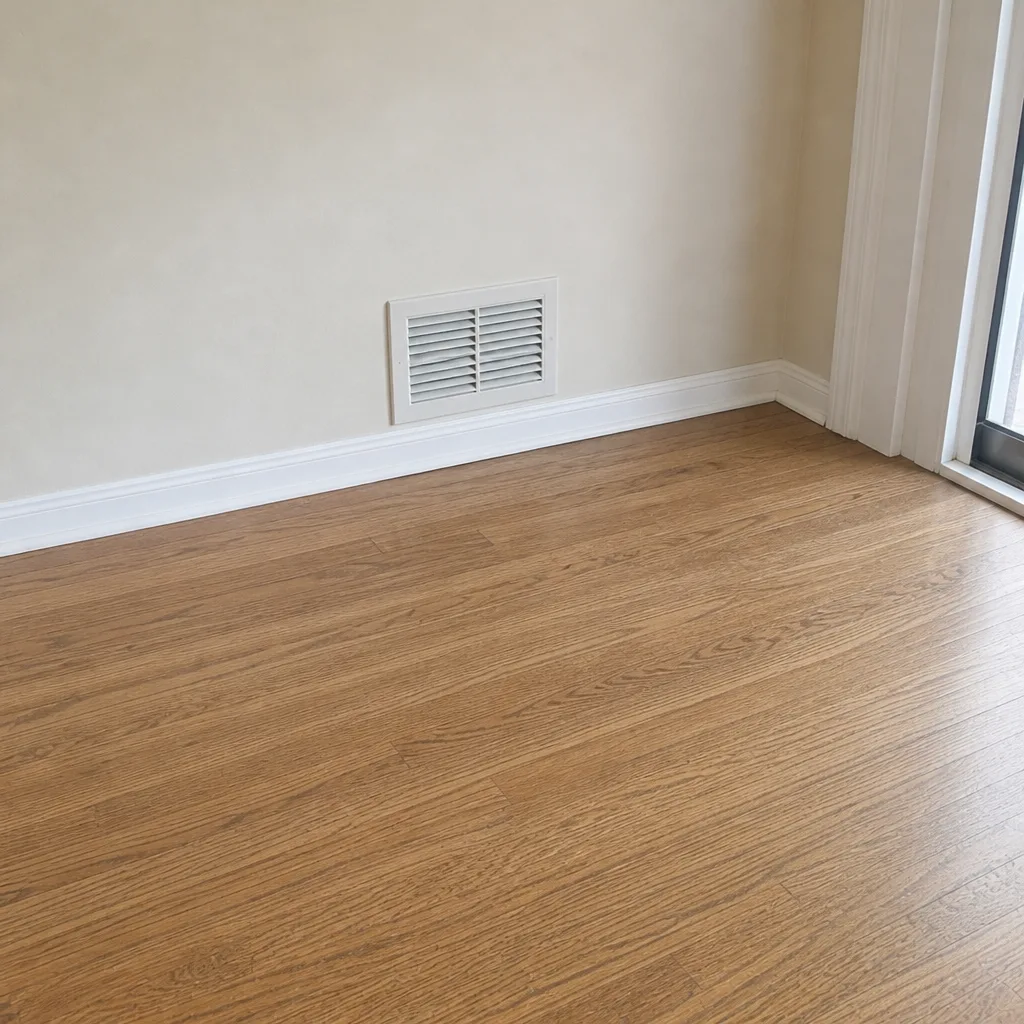
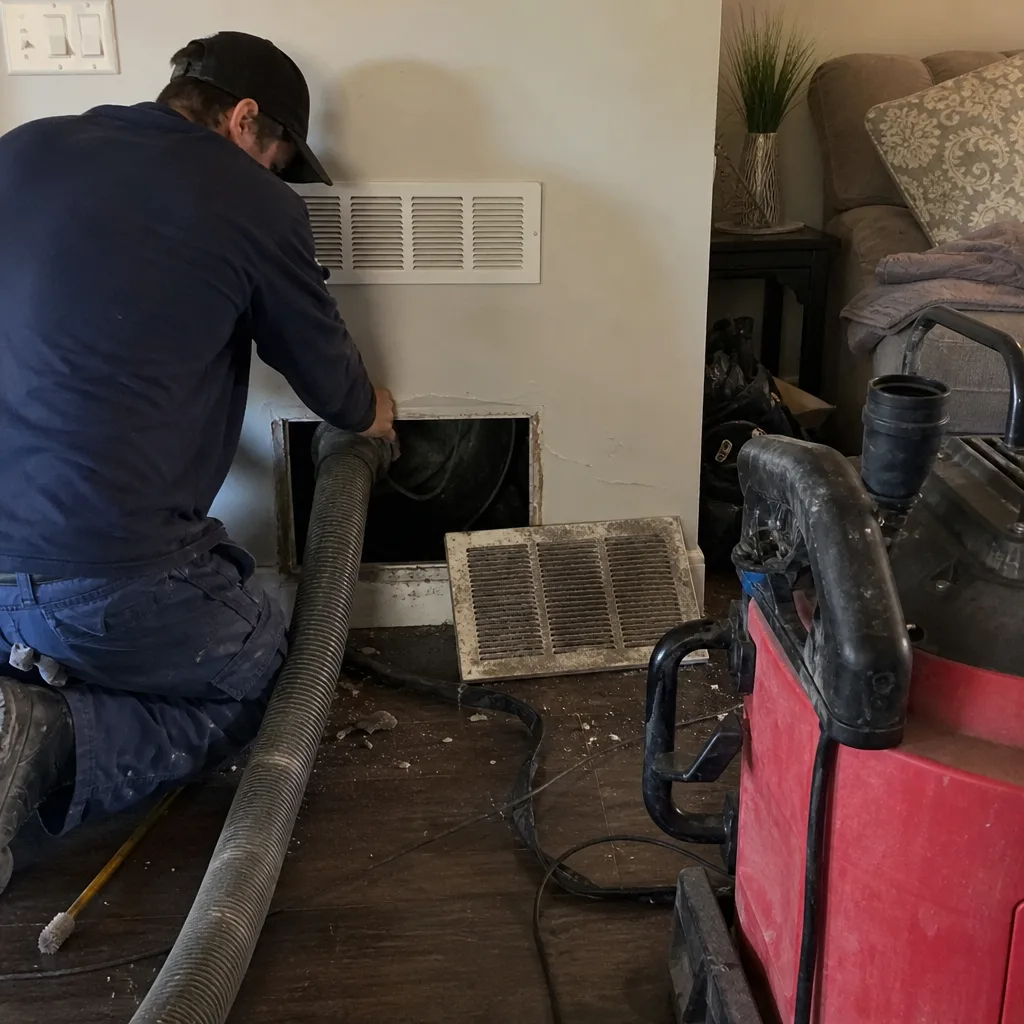
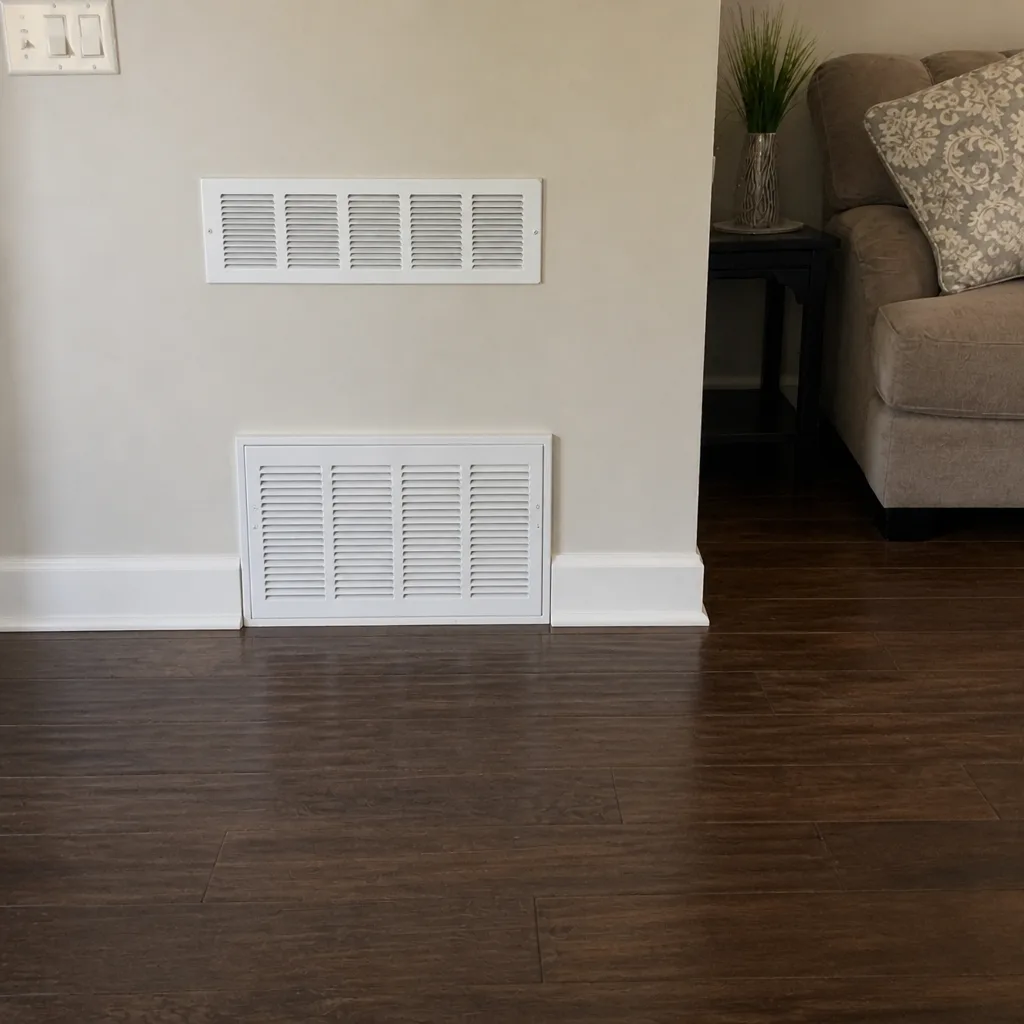
Whole-system duct and dryer vent check with before-and-after photos - you see exactly what came out of your vents
That "$99 whole-house special" is a bait ad - the real number appears once they are in your hallway, or the "clean" is a shop-vac at the register. We photograph the inside of your ducts before and after instead.
Air Duct Cleaning Permits, Codes & Inspections in Lakewood, CO: What You Need to Know
No permit is needed to clean your ducts. But the moment a contractor replaces a duct section, seals a plenum, or installs an access panel, the job may cross into regulated work, and most homeowners never find out until they’re selling the house. That gap between cleaning and modifying is where the trouble lives. In Lakewood, we’ve watched otherwise straightforward duct jobs turn complicated at the inspection table because nobody asked the permit question before the work started. This guide walks through where cleaning ends and mechanical work begins, which post-cleaning repairs tend to need a permit, how to check a contractor’s credentials, and what happens when unpermitted duct work surfaces during a home inspection.
Quick Answer
Cleaning the inside of your existing ductwork is routine maintenance and does not require a permit in Lakewood or Jefferson County. Replacing duct runs, cutting or patching a plenum, adding access panels, or changing the configuration of the system generally counts as regulated mechanical work and does require a mechanical permit through the City of Lakewood. If your home has older duct insulation from the 1970s, any cutting or removal can also trigger asbestos handling rules, which change the entire scope of the job.
Styles & brands we work with
- Whole-home duct cleaning
- Dryer vent cleaning
- Camera inspection
- Sanitizing & deodorizing
Table of Contents
- Where cleaning ends and mechanical work begins
- Which post-cleaning repairs typically need a permit in Lakewood
- How to verify a contractor for mechanical work in Colorado
- What happens when a home inspector finds unpermitted duct work
- Older Lakewood homes, 1970s duct insulation, and asbestos rules
- Why Lakewood’s climate and housing stock make duct condition matter
- Step by step: how a permitted duct repair actually runs
- Common mistakes to avoid
Where Cleaning Ends and Mechanical Work Begins in Lakewood
The dividing line in Lakewood municipal code, and in Jefferson County’s mechanical rules, is whether the work changes the system or simply maintains it. Cleaning is maintenance. Anything that alters the ducts themselves, their routing, their connections, or the air-handling components falls into mechanical work. That distinction matters because the two categories carry completely different permit obligations, and a contractor who only cleans won’t necessarily know or tell you which side of the line a given repair sits on.
We think about it in three buckets:
- Maintenance: brushing and vacuuming duct interiors, cleaning registers and grilles, cleaning the blower compartment, dryer vent cleaning. No permit.
- Repair and replacement: swapping a crushed or torn flex run, rebuilding a failed connection at a register boot, patching a plenum, adding an access panel for future service. Mechanical permit typically required.
- Modification: rerouting ducts, adding or removing a run, changing system capacity or layout. Mechanical permit required, and plans may need review.
In practice, most homes we see in Lakewood sit in the middle bucket. A cleaning uncovers a run that’s been crushed behind drywall or chewed through by rodents, and the honest answer is that fixing it properly is a small mechanical job, not a cleaning job. On our air duct cleaning visits, we can tell the difference between a system that needs cleaning and one that needs repair, and we say so before the work starts rather than after. The job never changes price mid-stream; one flat price per system is agreed before anyone touches a tool.
Which Post-Cleaning Repairs Typically Need a Permit in Lakewood
Three repairs come up again and again after a cleaning reveals problems, and all three usually cross into permitted mechanical work. Knowing them in advance saves homeowners a surprise at resale.
- Flex duct replacement. Swapping a damaged flex run means disconnecting and reconnecting at both ends, re-taping and sealing joints, and often re-supporting the run. That’s an alteration to the distribution system, which is mechanical work.
- Plenum patching or sealing. The plenum is the box connecting your furnace or air handler to the ducts. Cutting into it, sealing a seam with mastic, or replacing a section affects system pressure and combustion safety, so it’s regulated.
- Register boot sealing. Sealing a leaky boot where the duct meets the floor or wall sounds minor, but the boot is part of the system’s termination. Repairing or replacing one, especially with rigid material, is mechanical repair.
What usually does not require a permit: a straight cleaning, a dryer vent cleaning, replacing a grille or register cover with a like-for-like unit, or taping a joint that isn’t part of a larger repair. If a contractor tells you a full duct replacement needs no permit, that’s your signal to check with the City of Lakewood building department before signing anything.
We handle the repair side under the same visit as the cleaning, which is one reason we ask about permit history up front. You can read more about how we approach air duct cleaning work in the area and what typically turns up once the system is opened.
How to Verify a Contractor for Mechanical Work in Colorado
Duct cleaning credentials and mechanical licensing are not the same thing, and the overlap confuses a lot of homeowners. A company can be excellent at cleaning without holding the license to modify your duct system. In Colorado, mechanical work is licensed at the state level through the Department of Regulatory Agencies, and any contractor performing regulated duct repair should be able to show you a valid license when you ask.
Here’s the check we’d recommend to anyone in Lakewood:
- Ask for the contractor’s state mechanical license number and confirm it on the DORA licensing lookup.
- Ask specifically whether the person doing the repair is licensed for that scope, not just employed by a licensed company.
- Ask for a certificate of insurance covering general liability, and confirm the policy is current.
- Ask what equipment the crew uses. Purpose-built systems like Rotobrush rotary-brush machines and Nikro HEPA vacuums signal a contractor set up for real duct work, not a shop vac and a promise.
- Ask for before-and-after photos of your own ducts, not a stock gallery. Any reputable operator will show you exactly what came out of your system.
When we send a crew to a home in Lakewood, we come equipped with Rotobrush and Nikro systems and Abatement Technologies equipment for heavier contamination. Our technicians have up to 9 years of experience, and they can diagnose and repair duct work on the same visit rather than referring you out. That single-visit capability is often what separates a cleaning company from a duct specialist.
What Happens When a Home Inspector Finds Unpermitted Duct Work
An unpermitted duct modification usually surfaces during a buyer’s home inspection, and the discovery has less to do with the ducts working poorly than with documentation. Inspectors note visible alterations to mechanical systems when no permit record exists, and that note becomes a negotiation item. Buyers ask sellers to produce permits, sellers can’t, and the deal either gets renegotiated or the work gets torn out and redone legitimately.
The friction usually follows a predictable pattern:
- The inspector flags a replaced duct run, a new plenum patch, or an access panel that doesn’t show on the permit history.
- The buyer’s agent asks for documentation from the City of Lakewood.
- If nothing exists, the buyer may request a licensed mechanical contractor to review the work and either certify it or correct it.
- Correction means pulling a permit after the fact, which costs more than doing it right the first time and can delay closing.
For sellers, the clean approach is disclosure. If you know a duct section was replaced without a permit, say so before the inspection. For buyers, request permit history as part of due diligence, and if the previous owner can’t produce it, treat the duct work as needing review. We’ve seen this play out enough times in Lakewood to recommend treating permit records as part of the maintenance file, alongside your HVAC service history. For a broader picture of what a proper cleaning should include, see the Lakewood service overview.
Older Lakewood Homes, 1970s Duct Insulation, and Asbestos Rules
Lakewood has a substantial stock of homes built in the 1960s and 1970s, and many of them were ducted with materials that would not be installed today. If your home dates to that era, any cutting, demolition, or removal of insulated duct work may trigger asbestos handling requirements before the work can proceed.
The key point for a duct cleaning job is this: cleaning the interior of intact ductwork does not disturb the insulation around it. But the moment a repair requires cutting into or removing a run, you’re into abatement territory. That changes the scope significantly. Common materials of concern include:
- Exterior wrap insulation on older rigid duct runs.
- Joint tape and sealants applied decades ago.
- Insulation board used inside or around air-handling equipment.
If there’s any question about whether a material contains asbestos, testing comes first. We don’t do abatement ourselves, and any contractor who tells you they’ll handle it in-house without a certified abatement firm involved is telling you something worth double-checking. What we can do is recognize the warning signs and stop before disturbing anything that shouldn’t be disturbed. That’s a conversation worth having before the cleaning starts, not midway through a repair in a 1972 Lakewood ranch house.
Why Lakewood’s Climate and Housing Stock Make Duct Condition Matter
Lakewood sits against the Front Range foothills, which means a dry, high-altitude climate with real temperature swings between summer afternoons and cool nights. Homes here run their furnaces hard through winter and their air conditioners through July and August, and the ducts carry the full load both directions. That duty cycle wears on duct joints, connections, and flex runs faster than in a milder climate, and it’s one reason duct issues surface here at a higher rate.
The housing mix adds another layer. Neighborhoods like Belmar, Eiber, and the streets around Belmar Park include a lot of mid-century and 1970s homes where the original duct work is now decades old. Ranch and split-level layouts from that era often have long, low runs in unconditioned crawlspaces, where condensation, rodent intrusion, and disconnected joints are common. Newer construction on the west side generally has tighter, better-sealed systems but still benefits from periodic cleaning, especially after a remodel that leaves drywall dust in the ductwork.
Anyone buying or maintaining a home in Lakewood should treat duct condition as part of the mechanical picture, not an afterthought. For dryer vents, the picture is even more urgent because of fire risk; that’s covered under dryer vent cleaning. If a cleaning turns up a repair, that’s when the permit question comes into play, and knowing the local climate’s effect on duct wear helps you anticipate it.
Step by Step: How a Permitted Duct Repair Actually Runs
If a cleaning uncovers work that needs a permit, here’s the sequence to expect. It’s not complicated, but the order matters.
- Diagnose and scope. The contractor identifies the specific repair needed and confirms whether it’s maintenance or mechanical work. That’s the moment the permit decision gets made.
- Pull the permit. The licensed contractor files the mechanical permit with the City of Lakewood before work starts. Doing it after is what causes the resale problem.
- Schedule and complete the repair. Once the permit is in hand, the repair proceeds, with the cleaning finished under the same visit where possible.
- Inspection. The city inspects the completed work. If something isn’t right, the contractor corrects it before the job closes out.
- Close out the permit and keep the record. Save the final inspection documentation with your home maintenance file. It’s what protects you at resale.
We’ve seen enough Lakewood homes where a permit record made the difference at closing to know this is worth doing right. The alternative, an unpermitted repair discovered by a buyer’s inspector, is a costly correction that nobody wants to pay for.
Common Mistakes to Avoid
- Assuming cleaning includes repair. A cleaning quote that doesn’t state the scope explicitly can be a setup for a surprise charge once the technician finds a crushed run. Confirm up front that one flat price per system is agreed before work starts, and that repairs are quoted separately with a permit decision.
- Skipping the license check. A duct cleaning certification is not a mechanical license, and a contractor who only cleans may not be able to fix what they find. Ask for the state license and confirm it on the DORA lookup.
- Letting a repair happen without a permit. In Lakewood, mechanical work without a permit is a problem waiting to surface at inspection. If the repair crosses the line, pull the permit first.
- Ignoring 1970s-era duct materials. In older Jefferson County homes, cutting into insulated duct work can trigger asbestos testing requirements. Any contractor who doesn’t pause to check is moving too fast.
- Believing the coupon price. The Lakewood Duct Cleaning answer to bait-and-switch is simple: one flat price per system, agreed in writing before work begins, with before-and-after photos of your own ductwork.
- Discounting the dryer vent. It’s a leading cause of residential fires, and it’s part of the duct system. Cleaning it is a safety task, not an upsell.
- Forgetting the record. Keep permit documentation, service notes, and photos together. If you sell, the next buyer will ask, and having the file makes the answer easy.
See the difference
 Before
 After
 Before
 After
 Before
 After
When to Call a Professional
Call a professional when cleaning reveals damage that’s beyond simple dust removal, when a duct run is visibly disconnected or crushed, or when you smell a musty odor that points to moisture inside the system. Call when your dryer vent feels hot to the touch, or when it’s been years since it was cleaned. Call when you’re buying or selling a home in Lakewood and the permit history on the duct work is unclear. Call when your home was built in the 1970s and you’re planning any duct modification, because that’s when the asbestos question comes up. And call when you want the work done with purpose-built equipment instead of a shop vac.
Lakewood Duct Cleaning offers free estimates in Lakewood. Call (844) 914-0778. We answer 24/7. Fast dispatch from 7am to 7pm, Sunday through Friday. One flat price per system is agreed before work starts, with before-and-after photos of your own ducts, and we can diagnose and repair compromised work on the same visit.
Frequently Asked Questions
No. Routine air duct cleaning is maintenance and does not require a permit in Lakewood or Jefferson County. If the job involves replacing duct sections, patching a plenum, sealing register boots, or adding access panels, the work crosses into regulated mechanical work and a mechanical permit is generally required. Call (844) 914-0778 for an exact quote, with estimates free.
Pricing for air duct cleaning in Lakewood is set per system rather than per vent, and the written estimate determines the final price. We agree one flat price per system before the work starts, which is the opposite of the coupon-and-upsell model that frustrates homeowners. Call (844) 914-0778 for a free estimate.
Low quotes often don’t cover the full job, and the price climbs once the technician is on site. The common pattern is a per-vent teaser that adds up once the technician counts every register, plus separate charges for repair work discovered mid-visit. We quote one flat price per system, agreed in writing, so the invoice matches the estimate. Call (844) 914-0778 to compare.
Ask for before-and-after photos of your own ducts, not stock images. Ask for the equipment list, since professional-grade systems like Rotobrush and Nikro are the markers of a real duct specialist rather than a generalist with a vacuum. If a repair was needed, ask for the permit documentation from the City of Lakewood. Call (844) 914-0778 for an exact quote.
We diagnose and repair compromised duct work on the same visit as the cleaning, which means no separate referral. Our technicians have up to 9 years of experience, and we use professional equipment for both cleaning and repair. When a repair requires a mechanical permit, we handle the permit conversation before the work starts. Call (844) 914-0778.
A reasonable interval for most Lakewood homes is every few years, but the honest answer depends on the house. Older homes near Belmar with crawlspace duct runs and rodent exposure usually need it more often than newer construction. Homes after a remodel, or any home where someone in the household has significant allergies, warrant a more frequent schedule. Call (844) 914-0778 and we’ll tell you what your system actually needs, with a free estimate.
The Bottom Line
Cleaning your ducts is maintenance and needs no permit. Anything that modifies the system, whether that’s a flex run replacement, a plenum patch, or a new access panel, generally counts as mechanical work in Lakewood and does require a permit. Check the contractor’s state license separately from their cleaning credentials, and confirm it through DORA. Treat permit records as part of your home’s maintenance file, especially before you sell. And if you live in an older Lakewood home, that pause before cutting into 1970s duct insulation can save you a lot of trouble. Do the work right, keep the documentation, and the questions at resale answer themselves.
Written by the team at Lakewood Duct Cleaning.